This article provides a comprehensive overview of cement dry powder pneumatic conveying systems, focusing on the technical aspects, operational principles, and practical applications. The system is designed to efficiently transport cement and other fine powders using air as the conveying medium, offering advantages such as reduced material degradation, improved safety, and enhanced process control. By understanding the core components and working mechanisms, users can better appreciate the benefits and considerations associated with implementing such systems in industrial settings.
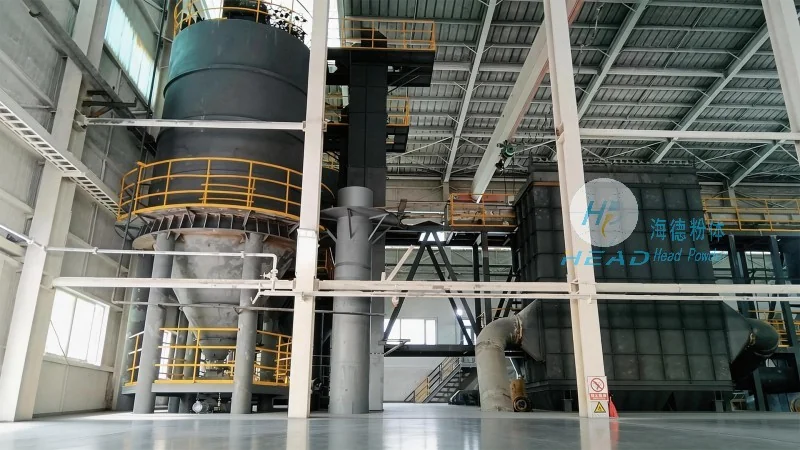
HeadPowder, a leading provider in the field, specializes in the design, manufacturing, and installation of advanced pneumatic conveying solutions tailored to the cement industry. With a strong presence in Shandong, China, the company leverages decades of experience to deliver reliable and efficient systems that meet the stringent requirements of modern cement production and processing facilities. The company's commitment to quality and innovation ensures that clients receive products that are not only effective but also durable and cost-effective over the long term.
Key Components of a Cement Dry Powder Pneumatic Conveying System
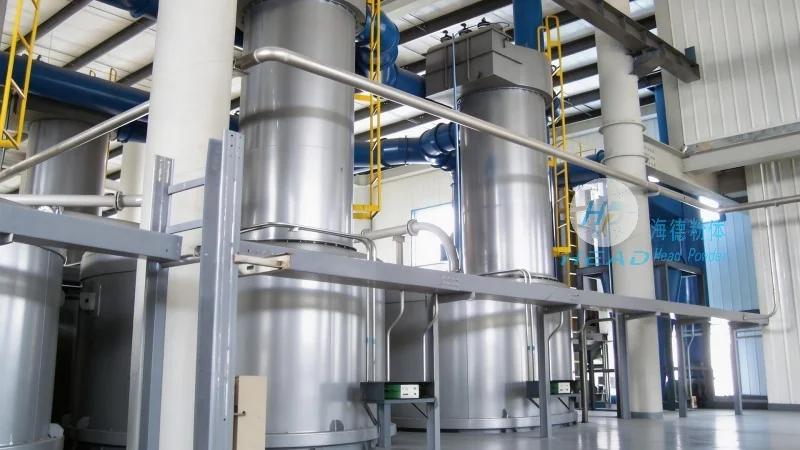
The core components of a cement dry powder pneumatic conveying system include the material hopper, feeder, air compressor, conveying line, and receiver. The material hopper stores the cement powder and feeds it to the feeder, which regulates the flow rate to maintain consistent pressure and flow. The air compressor generates the necessary air pressure to move the powder through the conveying line, which is typically made of stainless steel or other corrosion-resistant materials to prevent material buildup and ensure smooth operation. The receiver collects the conveyed cement powder and may include features like dust collection and filtration to maintain air quality and prevent environmental contamination.
Each component plays a critical role in the overall system performance. The material hopper must be designed to handle the bulk density and flow characteristics of cement, often incorporating features like agitators or vibrators to prevent caking and ensure uniform feeding. The feeder, such as a rotary valve or screw feeder, controls the material discharge rate, which directly impacts the conveying efficiency and system pressure. The air compressor, usually a positive displacement type, provides the required air volume and pressure, with options for variable speed control to adjust to different material loads. The conveying line, typically a flexible or rigid tube, must be able to withstand the pressure and temperature variations during operation, while the receiver ensures that the cement is stored in a clean and dry environment, ready for subsequent processing steps.
Working Principle and Operational Advantages
The working principle of a cement dry powder pneumatic conveying system involves the creation of a high-velocity air stream that entrains the cement powder particles, forming a suspension that is transported through the system. The air flow is generated by the compressor and directed through the feeder into the conveying line, where it picks up the powder from the hopper. As the mixture travels through the line, the air and powder are separated at the receiver, with the air being recirculated or vented and the powder collected in the receiver. This process is continuous and can be operated in either positive or negative pressure modes, depending on the system design and application requirements.
Operational advantages of cement dry powder pneumatic conveying systems include reduced material degradation due to the lack of mechanical contact, improved safety by eliminating the need for manual handling of bulk powders, and enhanced process control through precise flow regulation. The system also offers flexibility in terms of layout, as the conveying line can be arranged in various configurations to suit the plant layout and material flow requirements. Additionally, the use of air as the conveying medium allows for the integration of dust collection and filtration systems, which helps maintain a clean and safe working environment and complies with environmental regulations.
Applications and Industry Impact
Cement dry powder pneumatic conveying systems are widely used in various applications within the cement industry, including raw material handling, clinker transport, and finished product distribution. In raw material handling, the system efficiently transports limestone, clay, and other raw materials from storage silos to the grinding mills, ensuring consistent feed rates and minimizing material loss. In clinker transport, the system moves clinker from the rotary kiln to the cement grinding plant, where it is combined with gypsum and other additives to produce the final cement product. In finished product distribution, the system delivers cement to storage silos or loading facilities, enabling efficient bulk handling and reducing handling costs.
The adoption of pneumatic conveying systems has had a significant impact on the cement industry by improving operational efficiency, reducing labor costs, and enhancing product quality. By eliminating the need for traditional belt conveyors or bucket elevators, which are prone to material degradation and maintenance issues, the pneumatic system provides a more reliable and cost-effective solution. Additionally, the ability to control the flow rate and pressure allows for better integration with downstream processes, such as cement grinding and packaging, leading to improved overall plant performance and productivity.
Installation and Maintenance Considerations
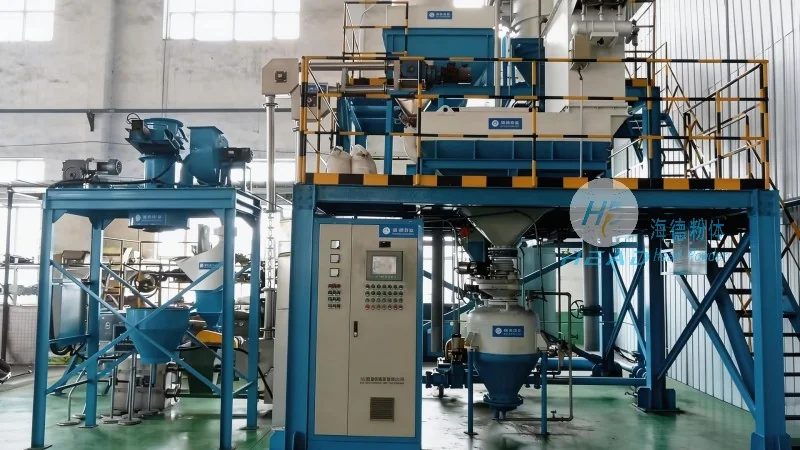
Proper installation and regular maintenance are crucial for the reliable operation of a cement dry powder pneumatic conveying system. Installation involves careful planning of the system layout, ensuring that the conveying line is properly supported and aligned to minimize pressure losses and vibration. The material hopper and feeder must be correctly sized and positioned to ensure uniform material flow and prevent clogging. The air compressor and receiver must be installed in accordance with safety and environmental regulations, with appropriate ventilation and dust collection systems in place.
Maintenance of the system includes regular inspection of components such as the feeder, conveying line, and receiver for signs of wear or damage. The air compressor should be checked for proper operation, including oil levels and filter condition, to ensure efficient performance. The material hopper and feeder should be cleaned regularly to prevent material buildup and caking, which can affect flow rates and system pressure. Additionally, the dust collection system should be inspected for proper operation, with filters replaced as needed to maintain air quality and prevent environmental contamination.
Conclusion
Cement dry powder pneumatic conveying systems represent a sophisticated and efficient solution for handling cement and other fine powders in industrial applications. By leveraging the principles of pneumatic transport, these systems offer significant advantages over traditional material handling methods, including improved material quality, enhanced safety, and better process control. With the expertise of companies like Shandong HeadPowder Engineering Co., Ltd., based in Shandong, China, users can access reliable and customized solutions that meet their specific operational needs. As the cement industry continues to evolve, the adoption of advanced pneumatic conveying systems will remain a key factor in improving operational efficiency and sustainability.




