For businesses in the food processing industry, efficient and reliable material handling is crucial. Among the various methods available, cereal pneumatic conveying stands out as a versatile solution for transporting bulk materials like cereals, grains, and similar products. This article, presented by Shandong HeadPowder Engineering Co., Ltd. (headpowder), delves into the fundamental principles of cereal pneumatic conveying, explores the different classification systems used, and highlights practical applications in industrial settings.
Introduction to Cereal Pneumatic Conveying
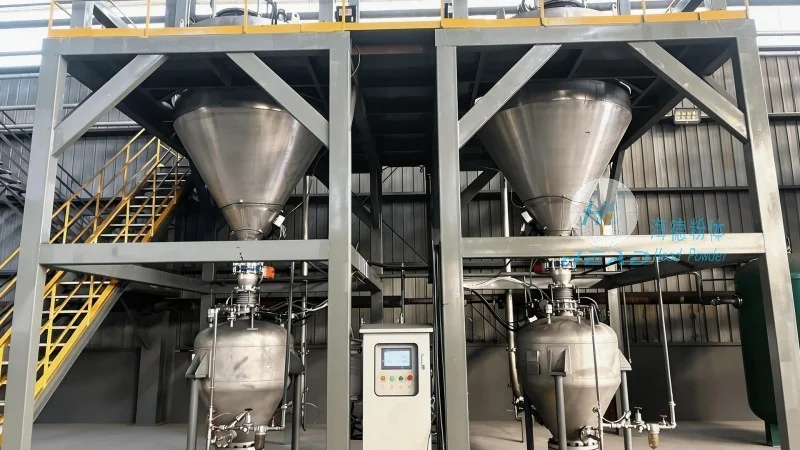
Cereal pneumatic conveying is a technology that utilizes air or gas to transport solid materials through a pipeline system. Unlike traditional mechanical conveyors, this method eliminates the need for physical contact between the material and the conveying equipment, reducing wear and tear and minimizing product contamination. The core principle involves creating a pressure differential within the pipeline, which propels the material forward as it is suspended in the air stream. This approach is particularly advantageous for handling delicate or sensitive products such as cereals, where maintaining product integrity is paramount.
Key Components of Cereal Pneumatic Conveying Systems
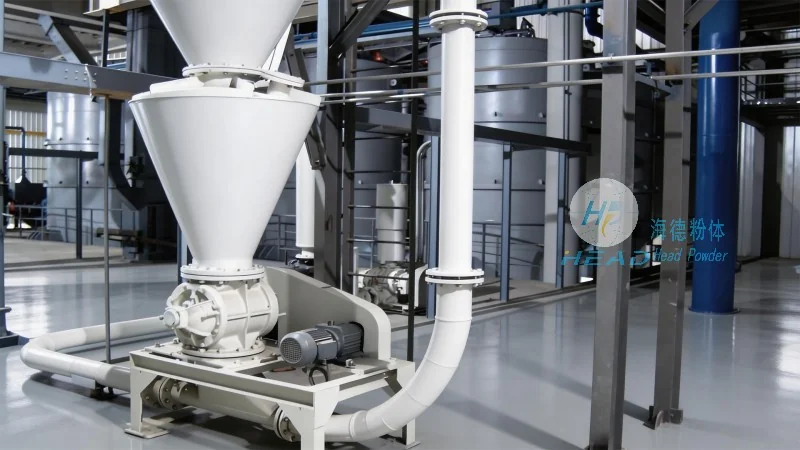
Effective cereal pneumatic conveying systems consist of several critical components that work in tandem to ensure smooth operation. These include the material feed hopper, which holds the bulk material and feeds it into the system; the air compressor or blower, which generates the necessary airflow; the conveying pipeline, which transports the material; and the discharge equipment, which releases the material at the destination. Additionally, control valves and filters are often integrated to regulate airflow and maintain system efficiency. The design of these components is tailored to the specific characteristics of the cereal being conveyed, such as particle size, moisture content, and density.
Principles of Operation in Cereal Pneumatic Conveying
The operation of a cereal pneumatic conveying system is based on the fundamental principle of fluidization. As air is introduced into the material bed, it creates a fluidized state where the particles are suspended and move freely. This fluidization allows the material to be transported through the pipeline with minimal resistance. The system can operate under either positive pressure (where air is forced into the system) or negative pressure (where air is drawn out). Positive pressure systems are commonly used for short-distance conveying and are often more efficient for handling abrasive or heavy materials, while negative pressure systems are preferred for longer distances and for applications requiring a dust-free environment.
Classification of Cereal Pneumatic Conveying Systems
Cereal pneumatic conveying systems are typically classified based on the pressure differential and the method of material transport. The two primary categories are pressure systems and vacuum systems. Pressure systems, as mentioned earlier, operate under positive pressure and are suitable for conveying materials from a central source to multiple destinations. Vacuum systems, on the other hand, operate under negative pressure and are ideal for collecting materials from various points and transporting them to a single location. Within these classifications, further distinctions are made based on the type of air flow, such as dilute phase and dense phase conveying. Dilute phase systems use low air-to-material ratios and are best for short distances and light materials, while dense phase systems use higher air-to-material ratios and are more suitable for longer distances and bulkier materials.
Applications of Cereal Pneumatic Conveying in Industry
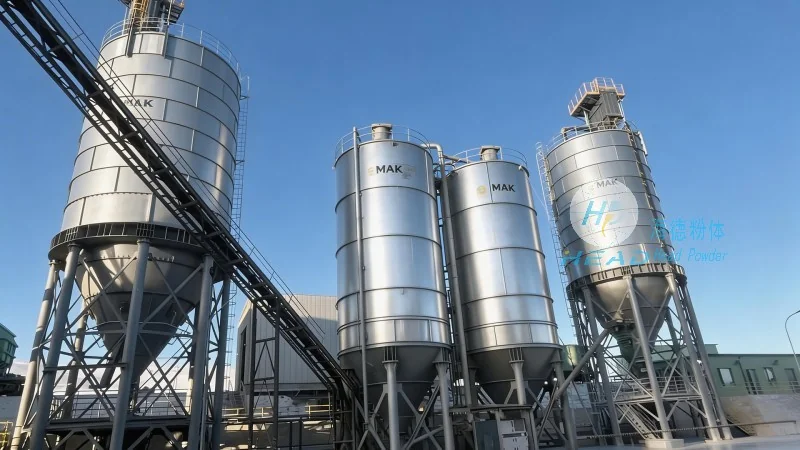
The versatility of cereal pneumatic conveying makes it applicable across a wide range of industries. In the food processing sector, it is widely used for transporting cereals, grains, and other bulk ingredients from storage silos to processing lines, ensuring a continuous and hygienic supply chain. The system is also employed in the pharmaceutical industry for handling sensitive powders and granules, where maintaining product purity is critical. Additionally, in the chemical and agricultural sectors, pneumatic conveying is used for transporting fertilizers, seeds, and other bulk materials, enhancing operational efficiency and reducing labor costs. The ability to handle various particle sizes and moisture levels further expands its applicability in diverse industrial settings.
Advantages and Considerations for Cereal Pneumatic Conveying
Implementing cereal pneumatic conveying offers several advantages over traditional methods. One of the most significant benefits is the reduction in product contamination, as there is no direct contact between the material and the conveying equipment. This is particularly important for food-grade products where hygiene is a top priority. Additionally, the system is compact and requires less floor space compared to mechanical conveyors, making it ideal for facilities with limited space. However, there are also considerations to keep in mind. For instance, the system requires regular maintenance to ensure optimal performance, and the initial investment can be higher than for some mechanical alternatives. Moreover, the design must account for the specific properties of the material being conveyed to prevent issues such as blockages or excessive wear on components.
Conclusion
Cereal pneumatic conveying is a sophisticated and efficient method for handling bulk materials in various industrial applications. By understanding the principles of operation and the different classification systems, businesses can select the most appropriate system for their specific needs. The technology not only enhances operational efficiency but also ensures product integrity and safety. As the demand for reliable material handling solutions continues to grow, cereal pneumatic conveying remains a valuable asset for companies in the food, pharmaceutical, and other industries. With proper design and maintenance, these systems can provide long-term benefits and contribute to overall operational excellence.




