Understanding the working principle and characteristics of polyacrylamide material handling is crucial for optimizing industrial processes, particularly in sectors that rely on efficient polymer solutions for various applications. This article delves into the fundamental mechanisms behind polyacrylamide's role in material transport and highlights key attributes that make it a preferred choice in modern industrial settings.
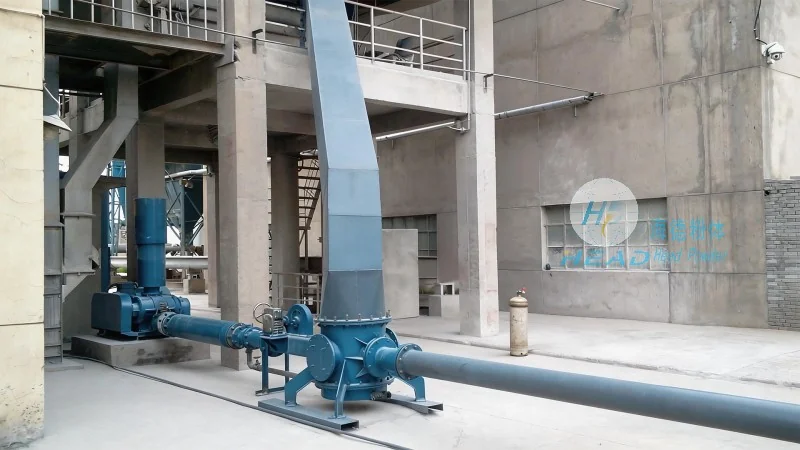
Polyacrylamide: An Overview
Polyacrylamide (PAM) is a synthetic polymer widely used as a flocculant and thickening agent in water treatment, mining, and industrial processes. Its unique molecular structure, characterized by long chains of repeating acrylamide units, grants it exceptional properties such as high viscosity and strong adsorption capabilities. These properties enable PAM to effectively interact with particulate matter, facilitating the aggregation and removal of solids from liquids or the stabilization of slurries in material handling operations. The product is supplied by Shandong HeadPowder Engineering Co., Ltd., a leading manufacturer based in China, known for its high-quality polyacrylamide solutions tailored to meet the demands of various industrial applications.
Working Principle of Polyacrylamide Material Handling
The working principle of polyacrylamide in material handling revolves around its ability to modify the rheological properties of slurries and suspensions. When added to a mixture containing solid particles, PAM molecules adsorb onto the surfaces of these particles, creating a bridge-like structure that connects adjacent particles. This bridging action leads to the formation of flocs—aggregates of particles that are significantly larger and more settleable than individual particles. In material transport systems, such as pipelines or conveyor systems, this flocculation process enhances the flowability of slurries, reduces friction losses, and improves the efficiency of solid-liquid separation.
Furthermore, PAM can act as a viscosity modifier, increasing the apparent viscosity of the slurry. This increased viscosity helps to prevent particle settling and maintain a homogeneous mixture, which is essential for consistent material flow in processing equipment. The polymer's ability to stabilize suspensions under varying conditions, including changes in temperature, pH, and shear rates, makes it a reliable additive in dynamic material handling environments.
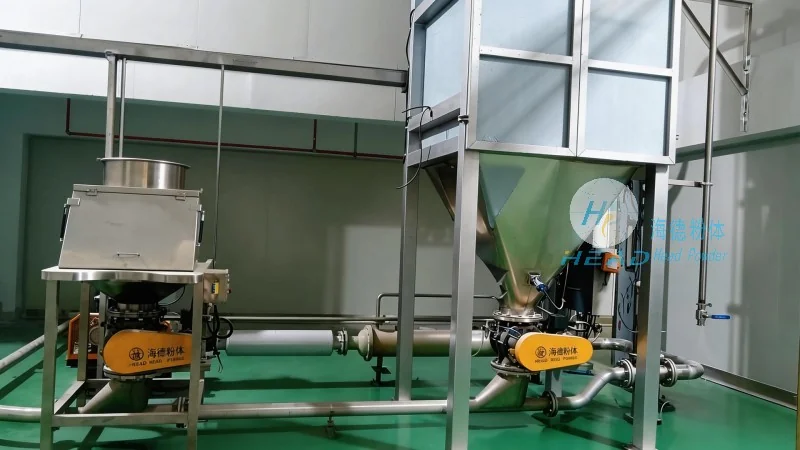
Key Characteristics of Polyacrylamide Material Handling
Several distinct characteristics define the effectiveness of polyacrylamide in material handling applications:
1. High Flocculation Efficiency: PAM exhibits superior flocculation performance due to its long polymer chains and high molecular weight. This allows for rapid aggregation of particles, reducing the time required for solid-liquid separation and improving overall process throughput.
2. Adjustable Viscosity: The viscosity of PAM solutions can be tailored by varying the polymer concentration, molecular weight, and ionic type (anionic, cationic, or nonionic). This flexibility enables users to optimize the rheological properties of slurries for specific handling requirements, such as high-pressure pumping or low-shear mixing.
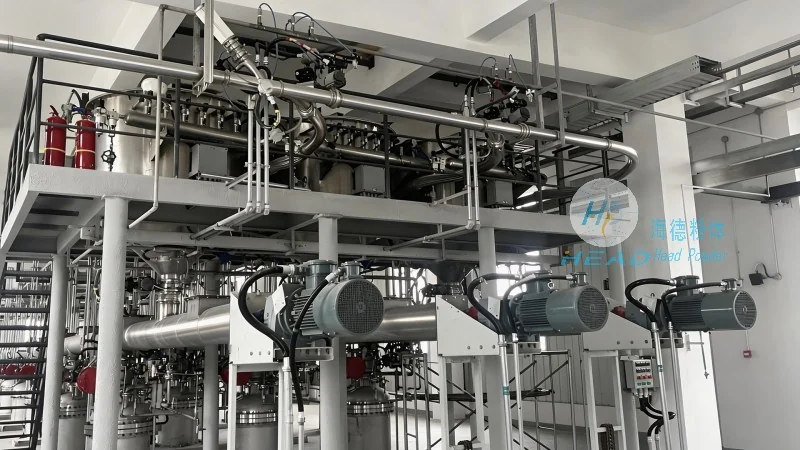
3. Compatibility with Diverse Materials: Polyacrylamide is compatible with a wide range of solid particles, including minerals, metals, and organic compounds. Its ability to interact with various surfaces ensures effective flocculation across different industrial applications, from mining to wastewater treatment.
4. Environmental Friendliness: While polyacrylamide is a synthetic polymer, it is generally considered environmentally benign when used in controlled amounts. Many formulations are biodegradable or can be broken down under specific conditions, reducing the risk of long-term environmental impact in industrial processes.
Applications in Industrial Material Handling
Polyacrylamide's working principle and characteristics make it indispensable in numerous industrial material handling scenarios:
1. Mining and Mineral Processing: In mining operations, PAM is used to enhance the separation of valuable minerals from gangue (waste rock). By flocculating the mineral particles, PAM improves the efficiency of concentration processes, allowing for higher recovery rates and reduced energy consumption.
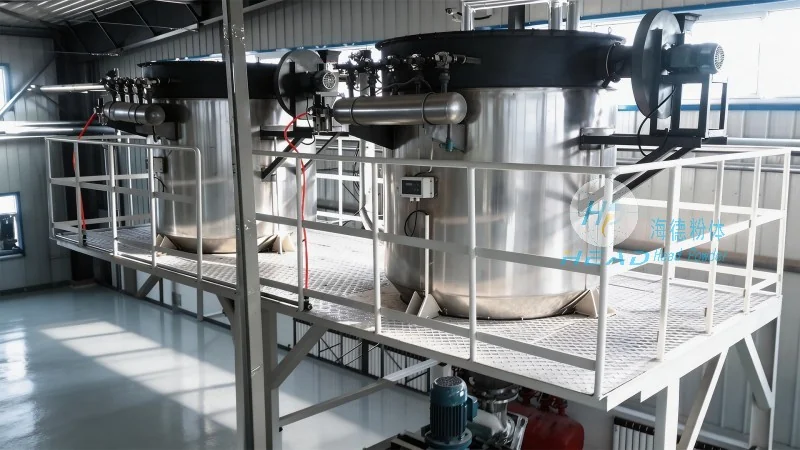
2. Water Treatment: In water treatment plants, PAM aids in the clarification of water by promoting the settlement of suspended solids. This reduces the load on filtration systems and improves the quality of treated water, making it suitable for various end uses.
3. Slurry Handling in Chemical and Pharmaceutical Industries: In chemical and pharmaceutical manufacturing, PAM is employed to stabilize slurries during processing, ensuring consistent product quality and preventing equipment clogging. Its ability to maintain slurry homogeneity is critical for downstream operations such as filtration and drying.
Conclusion
In summary, the working principle of polyacrylamide material handling is centered on its flocculation and viscosity-modifying properties, which enhance the efficiency and stability of material transport processes. The key characteristics of polyacrylamide, including high flocculation efficiency, adjustable viscosity, and compatibility with diverse materials, make it a versatile and effective additive in industrial applications. As a result, polyacrylamide continues to play a vital role in optimizing material handling operations across various sectors, contributing to improved process performance and sustainability.




