For businesses dealing with sawdust and wood chips, efficient material handling is crucial to maintaining productivity and operational efficiency. The sawdust and wood chip conveying system, particularly through pneumatic conveying technology, offers a reliable solution that addresses the unique challenges of transporting these materials. This article provides an overview of such systems, highlighting the key advantages and features that make them an ideal choice for various industrial applications.
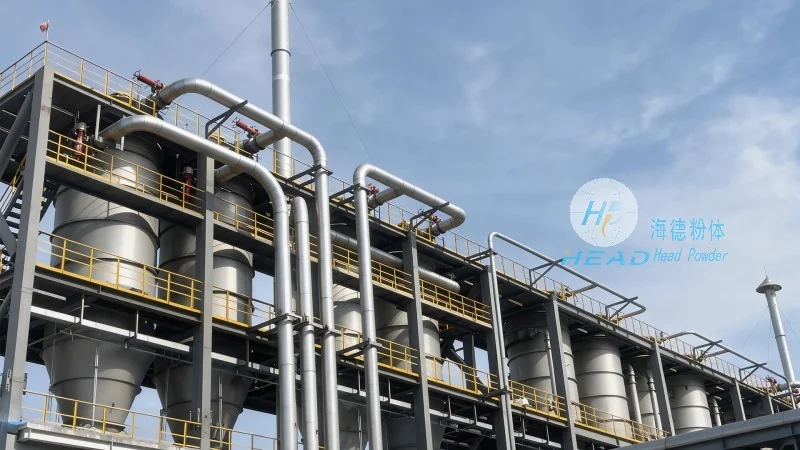
Introduction to Sawdust and Wood Chip Conveying Systems
The sawdust and wood chip conveying system is designed to transport lightweight, dry materials like sawdust and wood chips from one location to another within a processing facility. These systems are commonly used in woodworking, furniture manufacturing, and biomass energy production industries. The primary goal is to move these materials with minimal loss, reduced labor costs, and enhanced safety compared to traditional methods such as manual handling or mechanical conveyors.
Advantages and Features of Pneumatic Conveying for Sawdust and Wood Chips
Pneumatic conveying, also known as air conveying, utilizes compressed air to transport materials through a pipeline. This method offers several advantages for sawdust and wood chip handling. Firstly, it provides a dust-free and clean operation, which is essential in maintaining a safe working environment and preventing contamination of the processed materials. Unlike mechanical systems that may generate dust and debris, pneumatic conveying keeps the workspace clean and reduces the risk of respiratory issues for workers.
Secondly, the system offers high efficiency and flexibility. It can transport materials over long distances and through complex layouts, including vertical and horizontal routes, without the need for multiple transfer points or manual intervention. This flexibility allows for seamless integration into existing production lines, adapting to changes in workflow or material volume without significant modifications.
Thirdly, pneumatic conveying systems are known for their low maintenance requirements. Unlike mechanical conveyors that may require regular lubrication, belt replacement, or structural adjustments, air conveying systems have fewer moving parts and are less prone to wear and tear. This results in lower operational costs and reduced downtime, contributing to overall cost savings for the business.
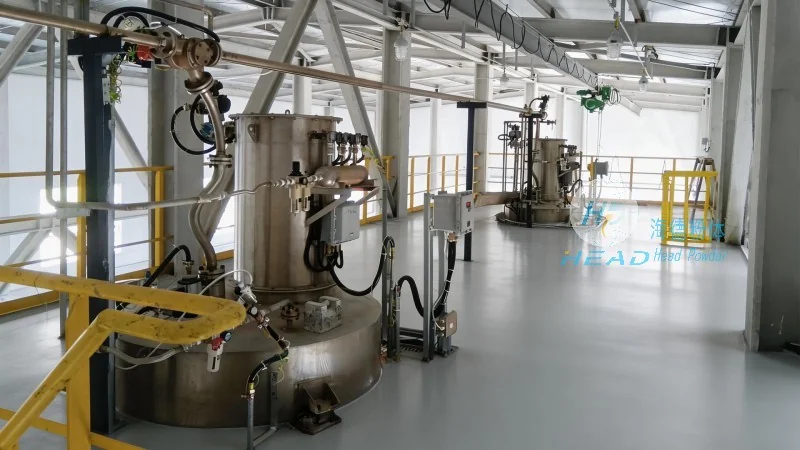
Another key feature is the ability to handle a wide range of material sizes and moisture content. Sawdust and wood chips can vary in particle size and moisture levels, and pneumatic systems are designed to accommodate these variations effectively. The system's air pressure and pipeline design can be adjusted to ensure optimal material flow, preventing blockages and ensuring consistent performance.
Key Components of a Sawdust and Wood Chip Pneumatic Conveying System
A typical sawdust and wood chip pneumatic conveying system consists of several key components that work together to ensure efficient material transport. These components include a material feed hopper, an air compressor, a conveying pipeline, and a discharge unit. The feed hopper is used to store and feed the sawdust or wood chips into the system, while the air compressor generates the necessary pressure to move the material through the pipeline. The pipeline, often made of stainless steel or other corrosion-resistant materials, is designed to withstand the abrasive nature of the materials and maintain air pressure.
The discharge unit, or receiver, collects the conveyed material and disposes of it into the next processing stage. Some systems may also include additional components such as filters, cyclones, or rotary valves to enhance performance and ensure clean operation. These components help in separating any air from the material, preventing dust accumulation, and controlling the flow rate for precise material handling.
Applications and Industries Benefiting from Sawdust and Wood Chip Conveying
The sawdust and wood chip conveying system, especially with pneumatic technology, is widely used across various industries. In woodworking and furniture manufacturing, these systems are essential for transporting sawdust from cutting machines to storage or recycling facilities. This not only improves workflow but also reduces waste and enhances the overall efficiency of the production process.
In biomass energy production, the system is used to transport wood chips to biomass boilers or pelletizing machines. The consistent and efficient delivery of raw materials is critical for maintaining the operational capacity of the energy facility, ensuring a steady supply of fuel for energy generation.
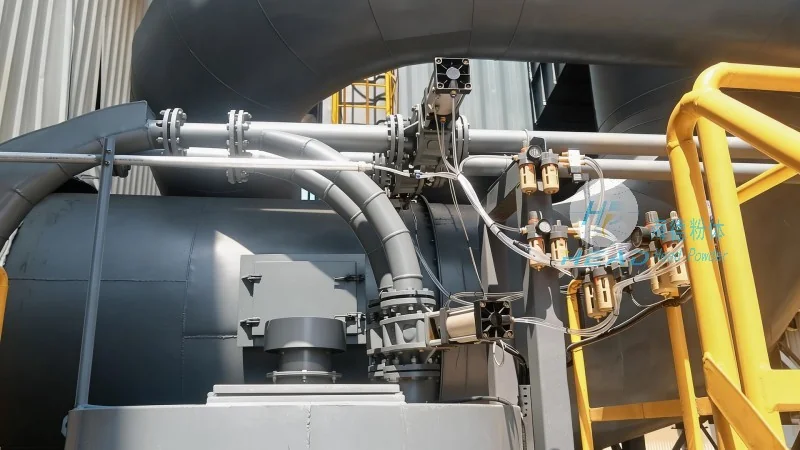
Additionally, in the paper and pulp industry, sawdust and wood chips are used as raw materials for producing pulp and paper products. The conveying system helps in moving these materials from storage to processing equipment, supporting the production of high-quality paper products.
Conclusion and Company Overview
Investing in a sawdust and wood chip conveying system, particularly a pneumatic one, can significantly improve operational efficiency and reduce costs for businesses in the woodworking, biomass, and related industries. The advantages of dust-free operation, flexibility, low maintenance, and adaptability to various material conditions make it a superior choice compared to traditional methods.
Shandong HeadPowder Engineering Co., Ltd., a leading provider in this field, specializes in designing and manufacturing customized conveying systems tailored to the specific needs of each client. With a focus on quality and innovation, the company ensures that its systems meet the highest standards of performance and reliability. HeadPowder's expertise in pneumatic conveying technology has helped numerous businesses enhance their material handling processes, leading to increased productivity and profitability.
Located in Shandong, China, HeadPowder leverages its local manufacturing capabilities and industry experience to deliver comprehensive solutions for sawdust and wood chip transportation. By choosing HeadPowder's conveying systems, businesses can benefit from advanced technology, professional support, and long-term partnerships that drive success in their operations.




