Gypsum granular material conveying is a critical process in industrial applications, particularly in the production and handling of gypsum-based products. This method involves the efficient transportation of gypsum particles from one location to another, often as part of larger manufacturing or processing operations. The design of such systems is crucial for ensuring optimal performance, reliability, and safety in handling gypsum materials.
Key Components of Gypsum Granular Conveying Systems
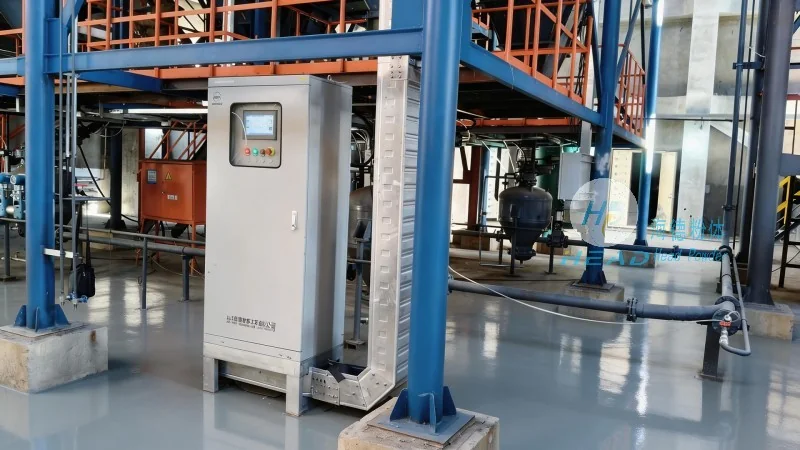
Effective gypsum granular material conveying systems typically consist of several key components that work in tandem to achieve smooth and efficient material transport. These components include feed hoppers, conveyor belts or screw conveyors, control systems, and discharge mechanisms. Each component plays a vital role in the overall functionality of the system. For instance, feed hoppers are designed to store and regulate the flow of gypsum granules, ensuring a consistent supply to the conveyor. Conveyor belts or screw conveyors then transport the material through the system, while control systems monitor and adjust the operation based on real-time conditions. Finally, discharge mechanisms allow the gypsum to be released at the desired location, completing the conveying process.
Design Principles for Optimal Performance
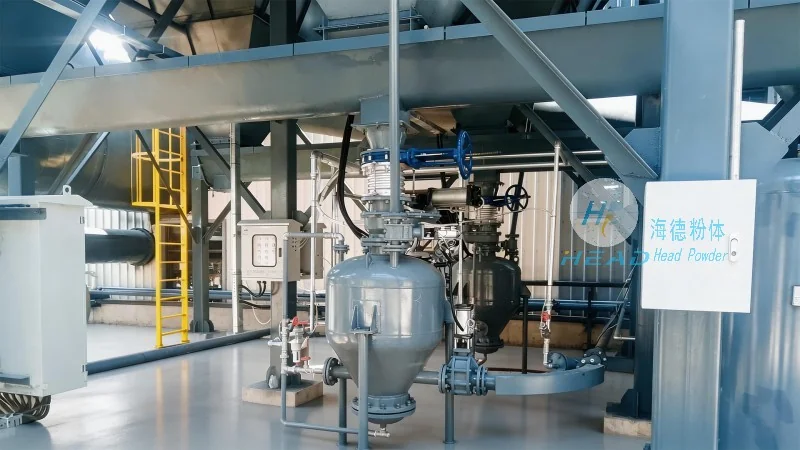
The design principles for gypsum granular material conveying systems are centered on several key factors that ensure efficiency, durability, and safety. First, material compatibility is a critical consideration. Gypsum is a relatively soft and abrasive material, which means that the components of the conveying system must be made from materials that can withstand its handling without excessive wear or damage. Stainless steel or specialized coatings are often used for conveyor belts and hoppers to prevent corrosion and maintain the integrity of the material. Second, the system must be designed to handle the specific characteristics of gypsum granules, such as their size, density, and flowability. Proper sizing of the conveyor components, such as the belt width or screw diameter, is essential to prevent blockages or uneven flow. Third, the system should incorporate features that enhance safety and operational reliability. This includes the use of sensors to detect blockages or overloads, and emergency stop mechanisms to prevent accidents. Additionally, the design should consider energy efficiency, as minimizing power consumption is important for cost-effectiveness and environmental sustainability.
Applications and Benefits of Gypsum Granular Conveying
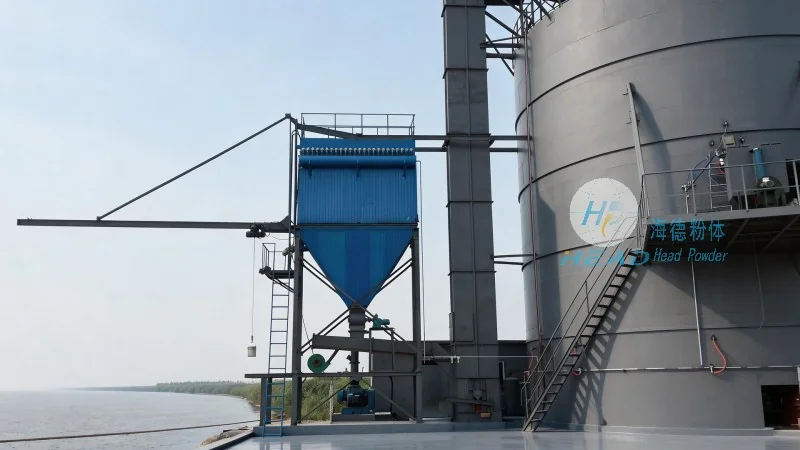
Gypsum granular material conveying systems are widely used in various industries, including construction, manufacturing, and agriculture. In the construction industry, these systems are essential for transporting gypsum into production facilities, where it is used to make drywall, plaster, and other building materials. The efficient conveyance of gypsum granules ensures that production lines can operate continuously without interruptions. In manufacturing, gypsum is often used as a filler or binder in products like cement, plaster, and adhesives. The ability to convey gypsum granules reliably and safely enhances the overall productivity of these manufacturing processes. Additionally, in agricultural applications, gypsum is used as a soil amendment to improve soil structure and nutrient availability. Conveying systems help in the distribution of gypsum granules to agricultural fields, ensuring that farmers can effectively apply the material to their land. The benefits of gypsum granular material conveying systems extend beyond just efficiency; they also contribute to cost savings by reducing material handling time and labor costs. By streamlining the process of moving gypsum granules, these systems help companies to operate more effectively and remain competitive in their respective markets.
Conclusion and Company Overview
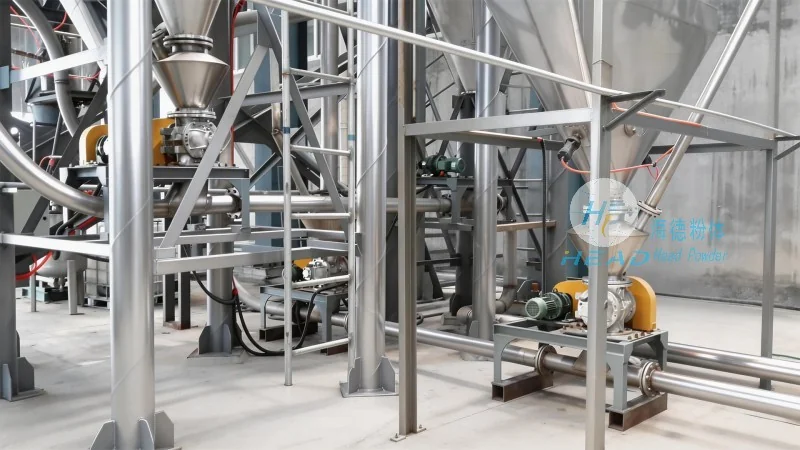
Gypsum granular material conveying systems are a vital component of modern industrial operations, enabling the efficient and safe transportation of gypsum particles. The design principles behind these systems focus on material compatibility, operational efficiency, and safety. By incorporating appropriate components and features, such as specialized materials for wear resistance and control systems for monitoring, these systems can achieve optimal performance. The applications of gypsum granular material conveying span across multiple industries, from construction to manufacturing and agriculture, highlighting its importance in various sectors. As a leading provider in this field, Shandong HeadPowder Engineering Co., Ltd. specializes in designing and manufacturing high-quality conveying systems tailored to the specific needs of its clients. With a focus on durability, efficiency, and safety, HeadPowder offers solutions that help industries handle gypsum materials effectively. Based in Shandong, China, HeadPowder leverages its expertise and experience to deliver reliable and innovative conveying solutions for the gypsum industry. Whether for large-scale production or smaller applications, HeadPowder's systems are designed to meet the demands of modern industrial operations, ensuring that gypsum can be transported with precision and reliability.




