Gas-pneumatic conveying systems represent a sophisticated method for transporting bulk materials, including glass slag, through the use of pressurized air or vacuum. This technology offers an efficient alternative to traditional mechanical conveying methods, such as belt conveyors or screw conveyors, by leveraging the principles of fluidization and particle movement under controlled air pressure. The system is particularly well-suited for handling abrasive and high-density materials like glass slag, which are commonly generated in glass manufacturing processes.
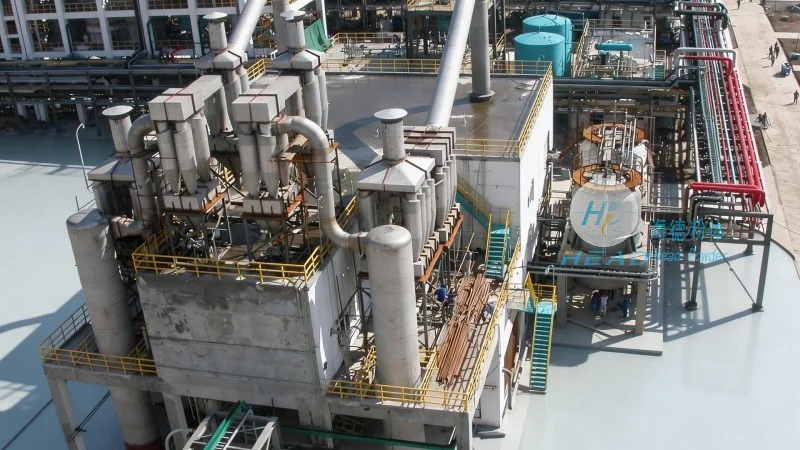
Key Components of the Glass Slag Gas-Pneumatic Conveying System
The core components of a gas-pneumatic conveying system for glass slag typically include a hopper for material storage, a feeder to control the flow rate, a conveying line (either positive pressure or negative pressure), and a receiver for the material's final destination. The system may also incorporate additional elements such as filters, cyclones, or dust collectors to ensure air quality and material separation. Each component is designed to work in tandem to ensure reliable and efficient material transport.
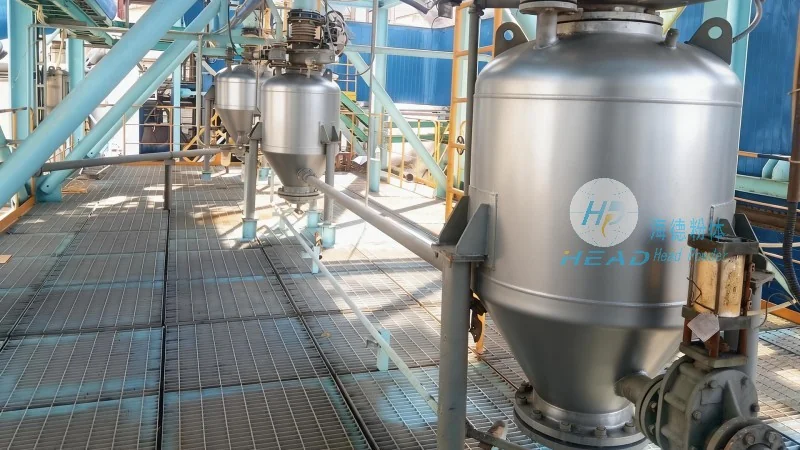
How the System Works: The Conveying Process
The operation of a glass slag gas-pneumatic conveying system involves several key steps. First, glass slag is fed into the hopper from the source location. The feeder then regulates the material flow into the conveying line. In a positive pressure system, compressed air is introduced at the inlet, creating a high-pressure environment that lifts and propels the glass slag particles through the pipeline. In a negative pressure system, a vacuum is created at the receiver end, drawing the material from the hopper and through the line. The air velocity is carefully controlled to prevent particle degradation or blockages, ensuring a smooth and continuous flow.
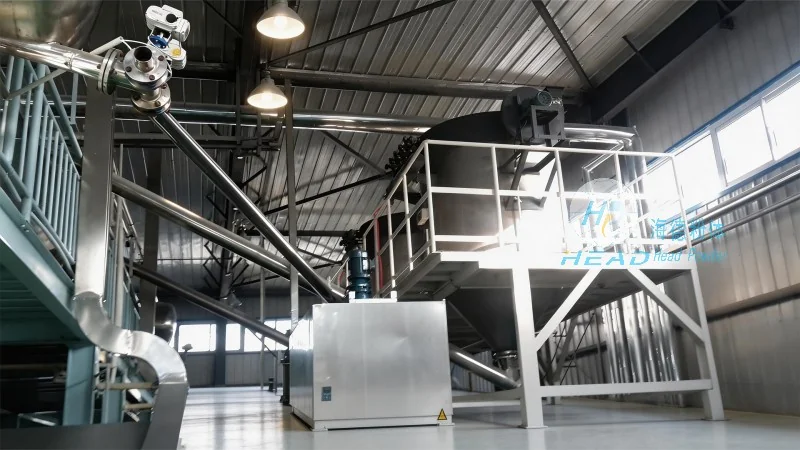
Advantages of Using Gas-Pneumatic Conveying for Glass Slag
There are several advantages to employing gas-pneumatic conveying systems for glass slag. Firstly, this method is highly efficient in terms of energy consumption compared to mechanical conveyors, as it minimizes friction and material wear. Secondly, it offers flexibility in terms of layout, allowing for vertical, horizontal, or inclined transport without the need for complex machinery. Thirdly, the system is capable of handling abrasive materials like glass slag without causing excessive wear on components, as the air flow reduces direct contact between particles. Additionally, gas-pneumatic systems are relatively low maintenance, with fewer moving parts compared to traditional conveyors, leading to lower operational costs over time.
Applications and Use Cases
Glass slag gas-pneumatic conveying systems are widely used in various industrial settings. In the glass manufacturing industry, these systems are employed to transport slag from the furnace to storage or processing facilities. They are also utilized in recycling plants where glass slag is processed into new glass products or other materials. Furthermore, the system is applicable in construction and civil engineering projects where glass slag is used as an aggregate in concrete or other building materials. The versatility of the gas-pneumatic system makes it suitable for a range of applications that require the efficient movement of bulk glass slag.
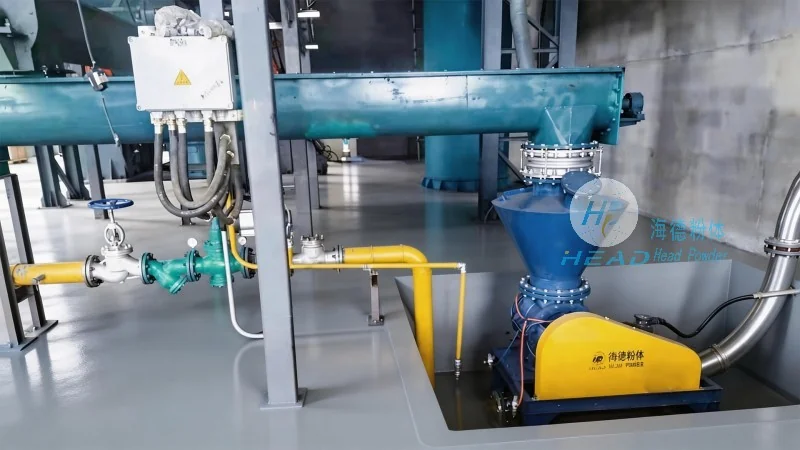
Company Overview: Shandong HeadPowder Engineering Co., Ltd.
Shandong HeadPowder Engineering Co., Ltd., commonly known as HeadPowder, is a leading provider of specialized engineering solutions for bulk material handling. With a focus on innovative and efficient systems, the company has developed expertise in designing and manufacturing gas-pneumatic conveying equipment tailored to the unique needs of industries such as glass manufacturing, recycling, and construction. HeadPowder's commitment to quality and customer satisfaction has established it as a trusted partner in the field of material handling technology. The company is based in Shandong, China, and serves clients both domestically and internationally with its advanced solutions for glass slag and other bulk materials.




