A protein powder pneumatic conveying system is a specialized equipment designed to transport protein powders and similar fine particulate materials through a pipeline using air or other gases. These systems are widely used in the food and beverage industry, pharmaceuticals, and other sectors where handling delicate, high-value powders is essential. The design of such systems must consider factors like material properties, system pressure, and operational efficiency to ensure safe and effective powder transfer. Shandong HeadPowder Engineering Co., Ltd., a leading manufacturer in this field, specializes in developing and producing high-quality pneumatic conveying systems tailored to the unique needs of protein powder applications.
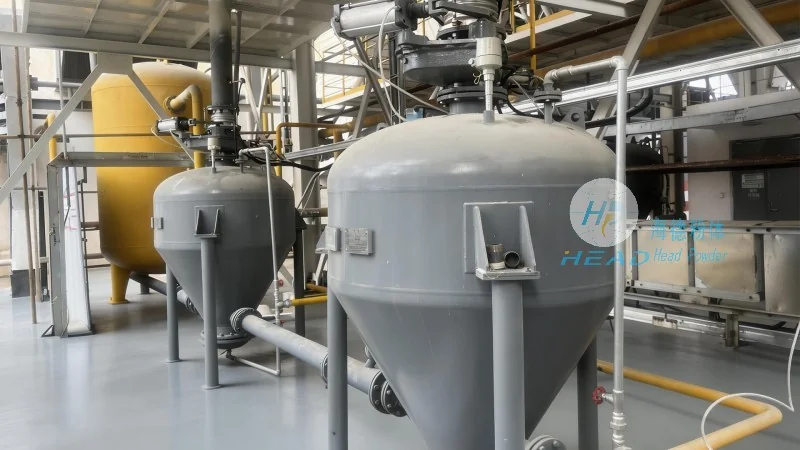
Introduction to Protein Powder Pneumatic Conveying Systems
A protein powder pneumatic conveying system is a closed-loop or open-loop system that uses compressed air or other gases to move powder from a source to a destination. Unlike traditional mechanical conveyors, which rely on physical contact and friction, pneumatic systems use air to create a flow of material, minimizing product contamination and degradation. This makes them ideal for sensitive protein powders, which can be easily damaged by friction, moisture, or exposure to air. The system's design is critical to maintaining product integrity and ensuring efficient operation.
Core Components of the Pneumatic Conveying System
The typical components of a protein powder pneumatic conveying system include a material feeder, a gas source (such as a compressor), a pipeline network, a separation or collection unit, and control valves. The material feeder, often a rotary valve or a vacuum loader, ensures a consistent flow of powder into the system. The gas source provides the necessary pressure to move the powder through the pipeline. The pipeline network transports the powder and air mixture to the destination. The separation unit, such as a cyclone or a bag filter, separates the powder from the air at the end of the line. Control valves regulate the flow of air and material to maintain optimal system performance. Each component is carefully selected and designed to handle the specific characteristics of protein powders, ensuring minimal risk of product loss or contamination.
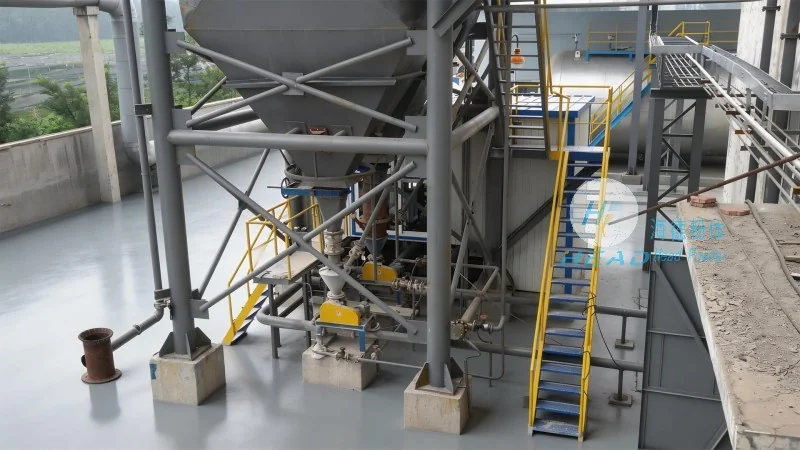
Design Principles and Operational Mechanics
The design of a protein powder pneumatic conveying system is based on the principle of fluidization, where the powder is suspended in the air stream and transported as a slurry. The system can operate in two main modes: positive pressure and negative pressure. In positive pressure systems, air is forced through the pipeline, pushing the powder forward. In negative pressure systems, a vacuum is created at the destination, pulling the powder through the pipeline. The choice between these modes depends on the application, material properties, and system layout. For protein powders, positive pressure systems are often preferred because they provide better control over the powder flow and reduce the risk of contamination. The system's pressure and flow rate are carefully calibrated to match the particle size and density of the protein powder, ensuring smooth and continuous transport.
Advantages of Using Pneumatic Conveying for Protein Powders
There are several key advantages to using pneumatic conveying systems for protein powders. First, they offer a high degree of hygiene and cleanliness, as the system is fully enclosed and the powder never comes into contact with external surfaces. This is critical for food and pharmaceutical applications where product purity is paramount. Second, pneumatic systems are highly efficient and flexible, allowing for easy changes in material flow rates and destinations. They can also handle long-distance and high-rise transfers, which would be difficult or impossible with mechanical conveyors. Third, these systems are relatively low maintenance compared to other types of conveying equipment, reducing operational costs over time. Additionally, the enclosed design of pneumatic systems helps prevent dust emissions, improving workplace safety and environmental compliance.
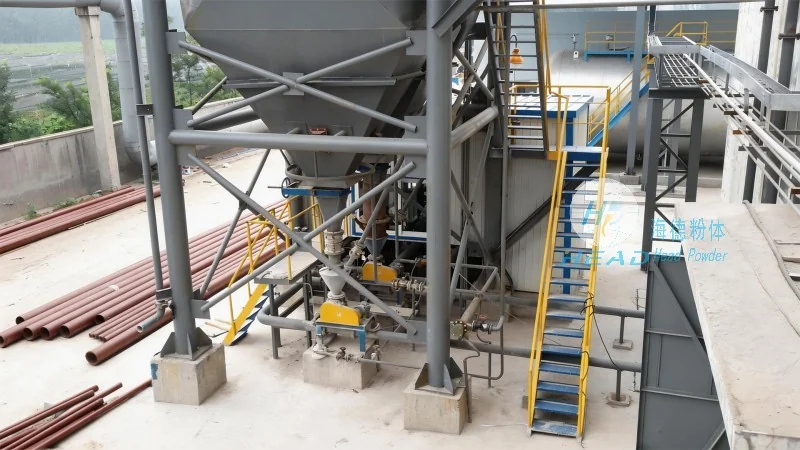
Application Scenarios in the Protein Powder Industry
Protein powder pneumatic conveying systems are used in a variety of applications within the protein powder industry. For example, in a protein manufacturing plant, the system can be used to transport raw protein materials from storage silos to processing equipment. It can also move finished protein powders from the production line to packaging machines or storage containers. In a warehouse setting, the system can transfer protein powders between different storage areas or to loading docks for distribution. Additionally, these systems are used in research and development labs to handle small quantities of protein powders for testing and analysis. The versatility of pneumatic conveying systems makes them suitable for both large-scale industrial production and small-scale laboratory applications.
Key Considerations for System Design and Implementation
When designing and implementing a protein powder pneumatic conveying system, several factors must be carefully considered. First, the physical properties of the protein powder, such as particle size, density, and moisture content, must be taken into account. These properties affect the system's pressure requirements and flow rate. Second, the system's pressure and flow rate must be optimized to prevent product degradation or blockages. For instance, too high a pressure can cause the powder to degrade, while too low a pressure may result in clogging. Third, the materials used in the system must be compatible with the protein powder to avoid contamination. For example, stainless steel or food-grade plastics are commonly used for components that come into direct contact with the powder. Finally, regular maintenance and cleaning are essential to ensure the system operates efficiently and safely over its lifespan. This includes cleaning the pipeline, replacing filters, and checking for any signs of wear or damage.




