Desulfurization fly ash, also known as flue gas desulfurization (FGD) fly ash, is a byproduct generated during the process of removing sulfur dioxide from flue gases in thermal power plants and other industrial facilities. This material, rich in calcium and other minerals, poses significant handling challenges due to its fine particle size and cohesive nature. To address these challenges, industrial facilities increasingly rely on pneumatic conveying systems designed specifically for transporting desulfurization fly ash. These systems offer an efficient, dust-free, and low-maintenance solution for moving large volumes of fly ash from collection points to disposal or utilization sites.
Understanding the Pneumatic Conveying System Components
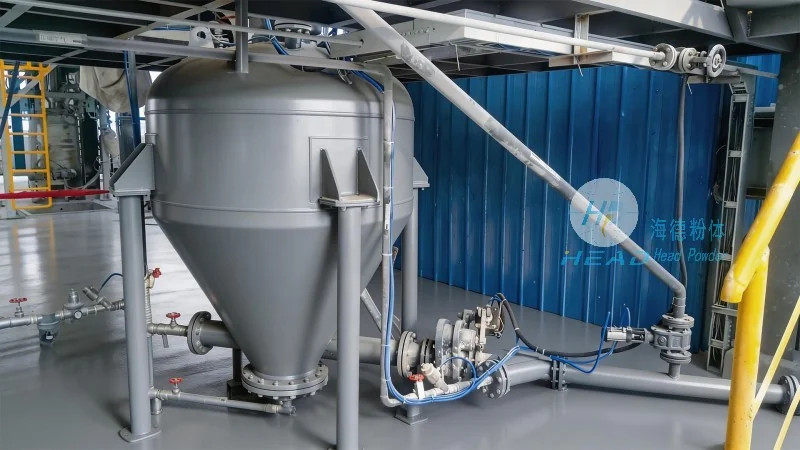
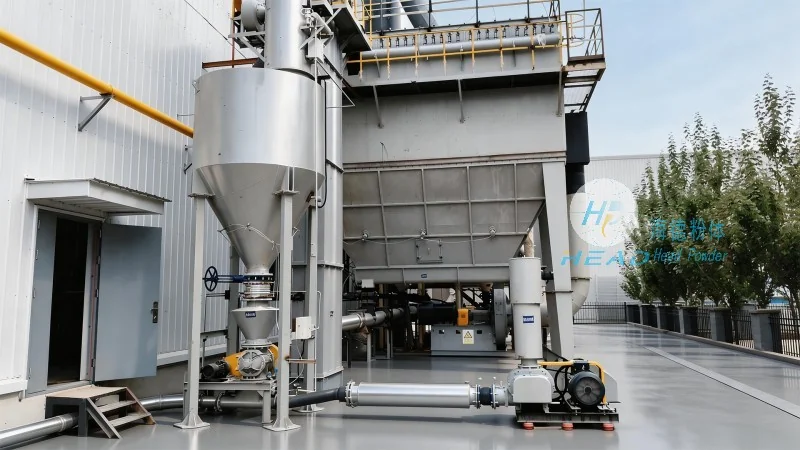
The desulfurization fly ash pneumatic conveying system consists of several key components that work in tandem to ensure reliable and efficient material transport. The primary components include a hopper or collection bin to store the fly ash, a feeder mechanism to control the flow rate, a conveying line (typically made of stainless steel or other corrosion-resistant materials), a blower or air compressor to generate the necessary air pressure, and a receiver or discharge point where the fly ash is deposited. Each component plays a critical role in maintaining the system's performance and ensuring the safe handling of the fly ash.
Design Principles for Efficient Fly Ash Transport
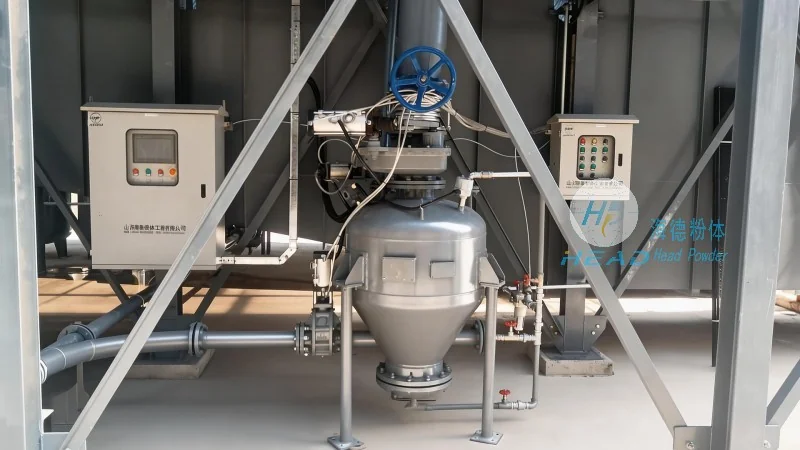
The design of a desulfurization fly ash pneumatic conveying system is based on several fundamental principles to optimize performance, minimize energy consumption, and ensure long-term reliability. One of the key design considerations is the selection of the appropriate conveying line diameter and length, as these factors directly impact the air velocity required to move the fly ash particles. The system must maintain an air velocity above the minimum conveying velocity to prevent particle deposition and ensure smooth flow. Additionally, the system design incorporates features such as pulse or rotary feeders to maintain consistent material flow, and air filtration systems to capture any fine particles that may escape the conveying line, ensuring compliance with environmental regulations.
HeadPowder's Expertise in Fly Ash Pneumatic Conveying Solutions
Shandong HeadPowder Engineering Co., Ltd., a leading provider of industrial material handling solutions, specializes in designing and manufacturing customized desulfurization fly ash pneumatic conveying systems. With years of experience in the field, HeadPowder understands the unique challenges associated with handling desulfurization fly ash and has developed advanced solutions tailored to meet the specific needs of power plants and industrial facilities. The company's engineers utilize state-of-the-art design software and rigorous testing protocols to ensure that each system is optimized for efficiency, durability, and safety. HeadPowder's commitment to quality and customer satisfaction has made it a trusted partner for facilities seeking reliable and effective fly ash transport solutions.
Key Advantages of Pneumatic Conveying for Desulfurization Fly Ash
Compared to traditional mechanical conveying methods, pneumatic conveying systems offer several distinct advantages for transporting desulfurization fly ash. These include the ability to handle fine, cohesive materials without the need for additional conditioning, reduced risk of dust exposure and contamination, and the flexibility to transport materials over long distances or through complex layouts. The systems also provide a more hygienic and environmentally friendly solution, as they minimize the generation of dust and prevent the release of harmful particles into the environment. Furthermore, pneumatic conveying systems are generally more energy-efficient than mechanical systems, particularly when transporting large volumes of material over short to medium distances.
Applications and Industries Served
Desulfurization fly ash pneumatic conveying systems are widely used in various industries, with the power generation sector being the primary application. Thermal power plants, particularly those burning coal, rely on these systems to transport large volumes of fly ash from the FGD process to disposal sites or to other facilities for utilization in cement production or other applications. In addition to power plants, these systems are also used in industrial facilities such as chemical plants, steel mills, and waste-to-energy facilities that generate desulfurization fly ash as a byproduct.
Conclusion: The Importance of Reliable Fly Ash Conveying Systems
In conclusion, the desulfurization fly ash pneumatic conveying system is a critical component in the overall operation of facilities that generate desulfurization fly ash. By understanding the design principles and components of these systems, facilities can ensure efficient and safe transport of their fly ash, reducing operational costs and environmental impact. With the expertise and experience of companies like Shandong HeadPowder Engineering Co., Ltd., facilities can access high-quality, customized solutions that meet their specific requirements and contribute to the sustainable management of their industrial byproducts.




