Detailed Explanation of PP Pellet Pneumatic Conveying Systems
Release time:2026-09-14 10:37:35
name of the company:Shandong Headpowder Engineering Co., Ltd.
telephone:156-6277-7102
contacts:Zhang manager
PP (polypropylene) pellets are widely used in various industrial applications, and efficient material handling is crucial for maintaining production efficiency and product quality. Pneumatic conveying systems offer a reliable and effective solution for transporting these lightweight plastic pellets from one location to another within a manufacturing facility. This article provides a comprehensive overview of PP pellet pneumatic conveying systems, highlighting their design, functionality, and key components.
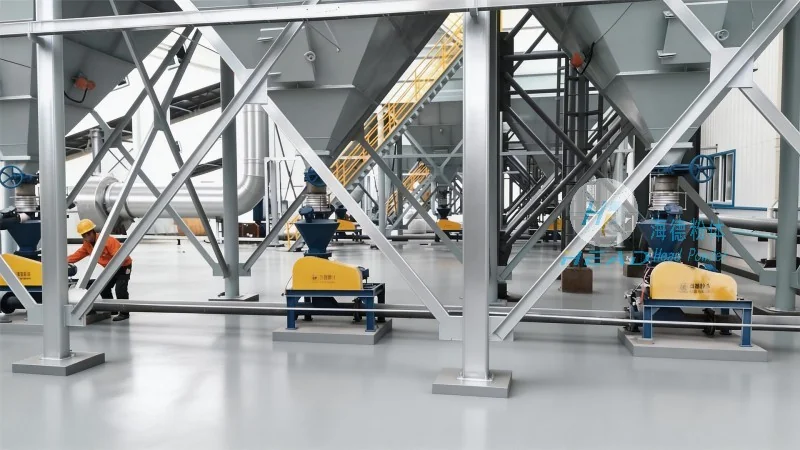
Understanding Pneumatic Conveying Technology
Pneumatic conveying systems utilize air or gas to transport bulk materials, such as PP pellets, through a network of pipes. There are two primary types of pneumatic conveying: pressure and vacuum systems. Pressure systems use compressed air to push material forward, while vacuum systems create a negative pressure to draw material into the system. For PP pellets, pressure systems are often preferred due to their ability to handle higher material loads and longer conveying distances.
Key Components of a PP Pellet Pneumatic Conveying System
The effectiveness of a PP pellet pneumatic conveying system depends on several critical components that work in tandem to ensure smooth material transport. These components include:
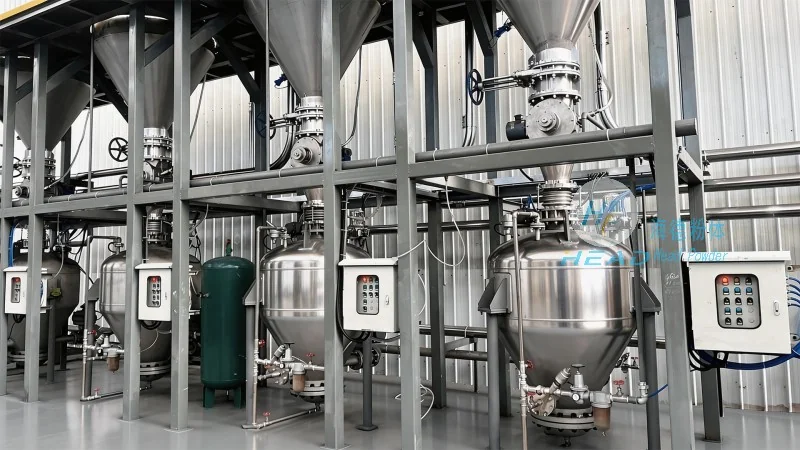
- Feeder: The feeder is responsible for feeding the PP pellets into the conveying line at a controlled rate. It ensures a consistent flow of material, preventing blockages and maintaining system efficiency.
- Conveying Line: The conveying line consists of pipes that transport the PP pellets through the system. The design of the line, including the pipe diameter and material, is crucial for minimizing pressure drop and ensuring the pellets move without excessive friction.
- Exhaust Filter: As the PP pellets are conveyed, they are mixed with air. The exhaust filter separates the pellets from the air, allowing the clean air to be discharged back into the facility while collecting the pellets for reuse.
- Control Valves: Control valves regulate the flow of air and material within the system. They help maintain optimal pressure and flow rates, preventing overloading or underloading of the system.
- Pneumatic Motors and Pumps: These components provide the necessary air pressure to drive the conveying process. They are designed to handle the specific requirements of PP pellets, ensuring reliable operation.
Advantages of Using PP Pellet Pneumatic Conveying Systems
Implementing a pneumatic conveying system for PP pellets offers numerous advantages over traditional methods like belt conveyors or manual handling. Some of the key benefits include:
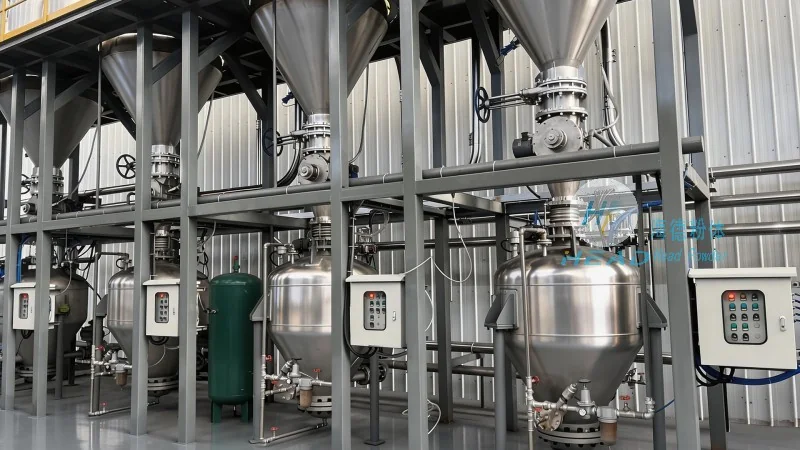
- Increased Efficiency and Productivity: Pneumatic systems can transport large volumes of PP pellets quickly and continuously, reducing downtime and increasing overall production output.
- Improved Product Quality: By avoiding contact with external elements and minimizing material handling, pneumatic conveying helps maintain the purity and quality of the PP pellets, which is critical for downstream processes.
- Space Efficiency: Pneumatic conveying systems can be installed in tight spaces, as the pipes can be routed vertically or horizontally to fit the available layout of a facility.
- Reduced Labor Costs: Automated pneumatic systems reduce the need for manual labor in material handling, leading to lower operational costs and improved workplace safety.
- Easy Integration: These systems can be easily integrated with existing production lines and control systems, allowing for seamless operation and data management.
Applications of PP Pellet Pneumatic Conveying Systems
PP pellet pneumatic conveying systems are widely used in various industries, including:
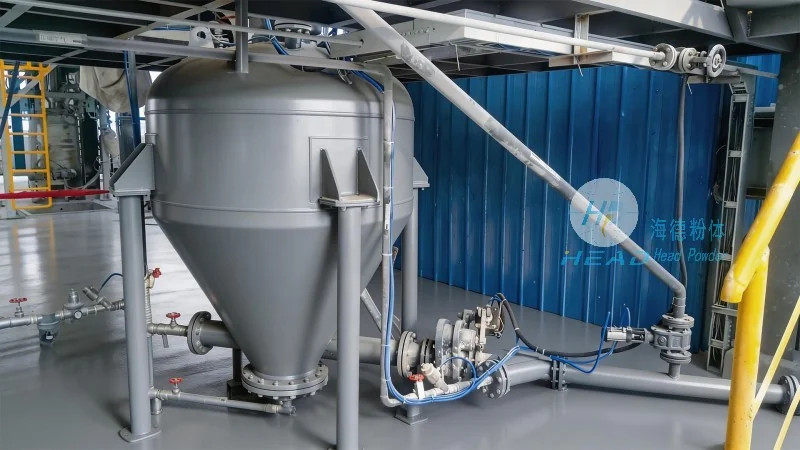
- Plastic Manufacturing: For transporting PP pellets from storage to processing equipment, such as extruders and injection molding machines.
- Food and Beverage: In applications where PP pellets are used to produce packaging materials, ensuring a clean and hygienic conveying process is essential.
- Chemical Processing: For handling PP pellets in chemical plants, where the system must be designed to withstand specific environmental conditions and material compatibility.
- Pharmaceutical Industry: In pharmaceutical manufacturing, where the system must meet stringent regulatory requirements for material purity and handling.
About Shandong HeadPowder Engineering Co., Ltd.
Shandong HeadPowder Engineering Co., Ltd., commonly known as HeadPowder, is a leading provider of advanced material handling solutions, including pneumatic conveying systems for PP pellets. With years of experience in the industry, HeadPowder specializes in designing and manufacturing customized systems that meet the unique needs of its clients. The company is committed to delivering high-quality, reliable equipment that enhances operational efficiency and product quality. HeadPowder's headquarters is located in Shandong, China, where the company maintains a state-of-the-art manufacturing facility and a dedicated team of engineers and technicians.
Conclusion
PP pellet pneumatic conveying systems are an essential component of modern industrial operations, offering a efficient and effective solution for material handling. By understanding the key components, advantages, and applications of these systems, businesses can make informed decisions about implementing the right technology to meet their production needs. With the expertise and experience of companies like Shandong HeadPowder Engineering Co., Ltd., businesses can ensure that their pneumatic conveying systems are designed to deliver optimal performance and long-term reliability.




