Phenolic resin powder handling is a critical process in various industrial applications, particularly in sectors that rely on the efficient and safe transportation of this specific material. The proper management of phenolic resin powders is essential for maintaining production efficiency, ensuring product quality, and adhering to safety standards. This article provides an overview of the structural principles and working mechanisms involved in phenolic resin powder handling systems, highlighting the key components and operational considerations.
Key Structural Components of Phenolic Resin Powder Handling Systems
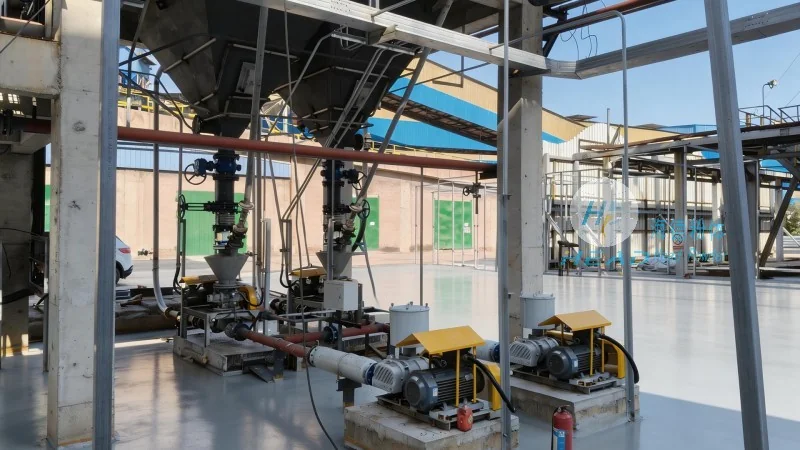
Phenolic resin powder handling systems typically consist of several interconnected components designed to facilitate the movement, storage, and processing of the material. The primary structural elements include feeders, conveyors, storage silos, and control systems. Each component plays a vital role in the overall functionality of the system, ensuring that the powder is handled in a controlled and efficient manner.
Feeders are often used to regulate the flow of phenolic resin powder from storage silos to downstream processing equipment. These devices can be designed as rotary, vibratory, or screw feeders, each offering specific advantages depending on the powder characteristics and application requirements. The choice of feeder type is crucial as it directly impacts the uniformity of the material flow and the prevention of blockages or bridging issues, which are common challenges in handling cohesive powders like phenolic resin.
Conveyors, such as belt conveyors or pneumatic systems, are employed to transport the phenolic resin powder over longer distances or between different processing stages. Belt conveyors are widely used due to their simplicity, durability, and ability to handle a wide range of powder types and loads. Pneumatic conveying systems, on the other hand, use air to move the powder, offering advantages in terms of flexibility and the ability to handle fine powders without the need for mechanical contact. The selection of the conveyor type depends on factors like the powder's particle size, moisture content, and the required conveying distance.
Storage silos are integral to phenolic resin powder handling systems, providing a means to store large quantities of the material in a controlled environment. These silos are typically constructed from materials resistant to the chemical properties of phenolic resin, such as stainless steel or specialized coatings. The design of the silo, including its shape and internal features like agitators or discharge chutes, is optimized to prevent material bridging, caking, or segregation, which can lead to uneven flow and operational inefficiencies.
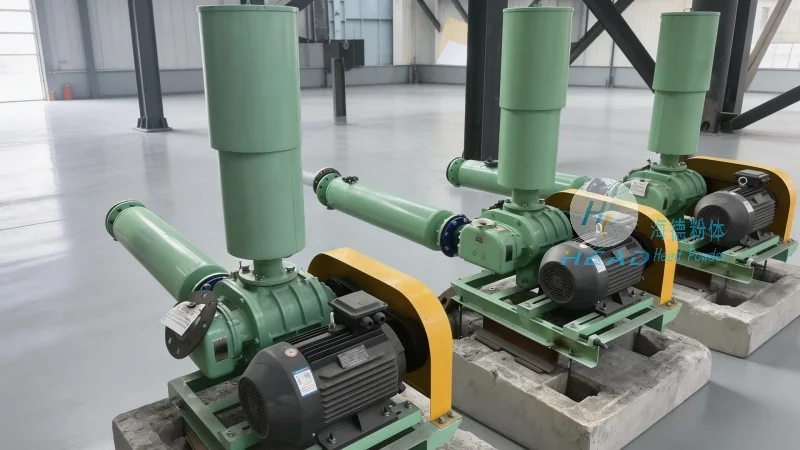
Control systems are essential for monitoring and regulating the operation of phenolic resin powder handling equipment. These systems may include sensors for level, flow, and temperature, as well as programmable logic controllers (PLCs) that manage the sequence of operations. Advanced control systems can also incorporate features like automatic start-up and shut-down procedures, overload protection, and real-time data logging, enhancing the safety and reliability of the handling process.
Working Mechanisms and Operational Principles
The working mechanisms of phenolic resin powder handling systems are based on fundamental principles of fluidization, gravity, and mechanical force. The primary goal is to maintain the powder in a fluidized state, where it behaves like a liquid, allowing for smooth and controlled movement through the system.
Fluidization is achieved by introducing air or gas through the powder bed in the storage silo or feeder. This process creates a porous structure within the powder, reducing the inter-particle friction and enabling the material to flow freely. The air flow rate is carefully controlled to ensure that the powder remains in a fluidized state without becoming too aerated, which could lead to dust generation or loss of material.
Gravity plays a significant role in the movement of phenolic resin powder from higher to lower levels within the system. The design of the silo and feeder ensures that the powder flows downward under the influence of gravity, with minimal resistance. However, in cases where the powder has a tendency to bridge or clog, additional mechanisms such as vibrators or agitators are used to break up the material and maintain a consistent flow.
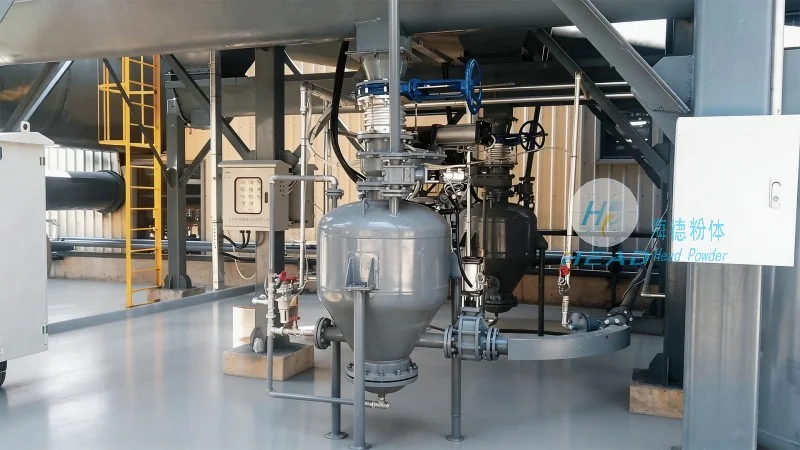
Mechanical force is applied through the feeder and conveyor components to assist in the movement of the powder. Rotary feeders, for example, use a rotating drum or screw to push the powder forward, while vibratory feeders utilize oscillating motions to promote flow. These mechanical actions are synchronized with the control system to ensure that the powder is discharged at a consistent rate, matching the requirements of downstream processing equipment.
The operational principles of phenolic resin powder handling systems also emphasize the importance of maintaining the material's properties. Phenolic resin powders are often hygroscopic, meaning they can absorb moisture from the air, which can affect their flowability and reactivity. Therefore, the handling system must be designed to minimize exposure to moisture and maintain a controlled environment, such as using sealed silos and dry air in pneumatic conveying systems.
Company Profile: Shandong HeadPowder Engineering Co., Ltd.
Shandong HeadPowder Engineering Co., Ltd., operating under the brand name headpowder, is a leading provider of specialized equipment and solutions for powder handling applications. With a focus on innovation and customer-centric design, the company has established itself as a trusted partner in the industrial sector, particularly in the handling of phenolic resin and other challenging powders.
HeadPowder's expertise lies in the development and manufacturing of advanced powder handling systems, including feeders, conveyors, and storage solutions tailored to the unique requirements of phenolic resin. The company's products are engineered to address common challenges such as bridging, caking, and segregation, ensuring reliable and efficient operation. By leveraging years of experience and continuous research, headpowder has developed a range of solutions that meet the highest standards of performance, safety, and durability.




