For industrial applications requiring efficient handling and transportation of bulk powders, the powder bin and powder conveying system represents a critical component in material processing workflows. This overview, provided by Shandong HeadPowder Engineering Co., Ltd. (headpowder), delves into the structural design and operational principles of such systems, highlighting key elements that contribute to their effectiveness in various sectors like pharmaceuticals, food processing, and chemical manufacturing.
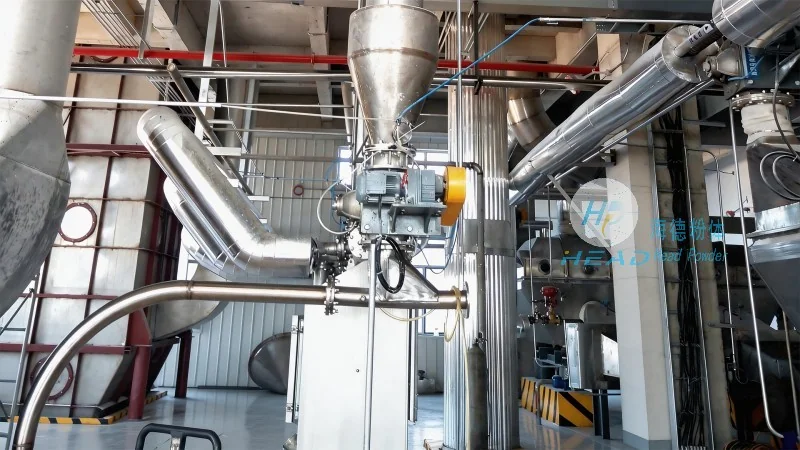
Powder Bin: The Foundation of Material Storage and Preparation
The powder bin serves as the primary storage vessel for bulk powders, designed to accommodate large volumes while maintaining material integrity. Constructed from durable materials such as stainless steel or corrosion-resistant alloys, these bins are engineered to prevent contamination and ensure consistent material quality. The design often includes features like a conical or hopper-shaped bottom to facilitate smooth discharge of powders, minimizing the risk of clogging or agglomeration. Additionally, some models incorporate aeration or vibration systems to prevent material bridging, which is crucial for maintaining flowability and preventing product degradation.
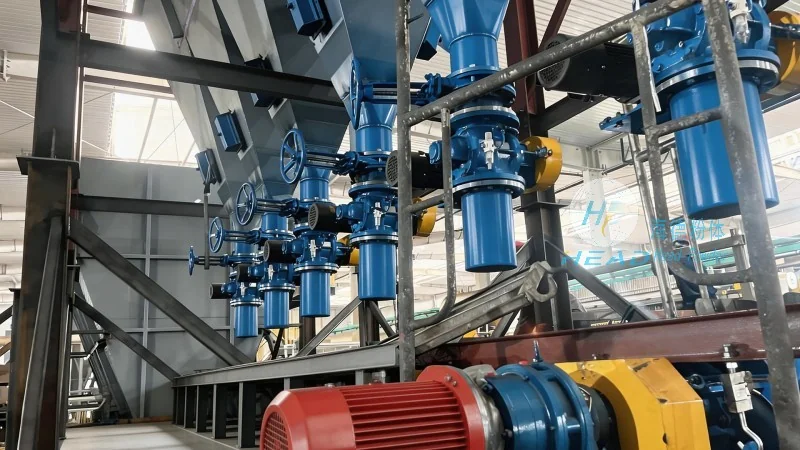
Powder Conveying System: Mechanisms for Efficient Material Transport
The powder conveying system is responsible for transferring the stored powders from the bin to processing equipment or storage locations. Common mechanisms include pneumatic conveying (air-assisted transport), mechanical screw conveyors, and bucket elevators. Pneumatic systems, for instance, use compressed air to move powders through pipelines, offering flexibility in layout and the ability to handle fine or abrasive materials. Mechanical conveyors, such as screw or belt conveyors, provide continuous and reliable transport, especially for heavier or bulkier powders. The choice of mechanism depends on factors like material properties, required throughput, and system layout constraints.
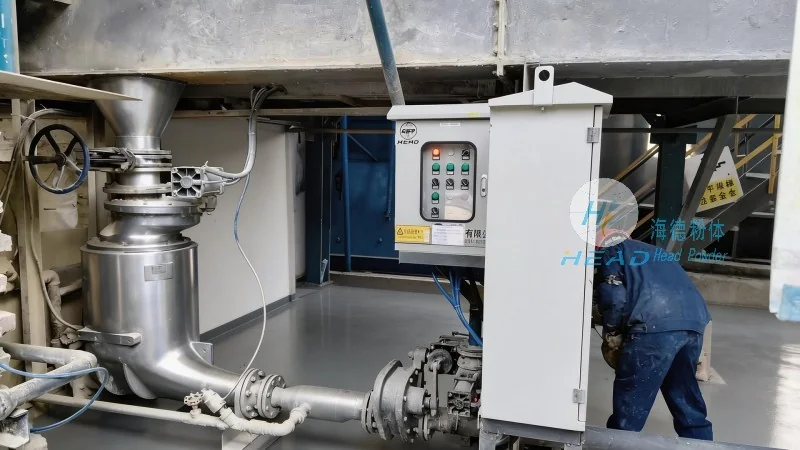
Integration of Components: Ensuring System Efficiency and Reliability
The effectiveness of a powder bin and conveying system lies in the seamless integration of its components. This includes the bin itself, conveying equipment, control systems, and safety features. For example, the bin may be equipped with level sensors to monitor material levels and trigger conveying operations when needed. Conveying systems often integrate with dust collection systems to maintain air quality and prevent dust emissions, which is particularly important in industries like pharmaceuticals where product purity is paramount. Additionally, the system may incorporate monitoring and control software to optimize operation, reduce downtime, and ensure compliance with industry standards.
Applications and Industry Impact
Powder bin and conveying systems are widely used across multiple industries due to their ability to handle diverse materials and support high-throughput operations. In the pharmaceutical industry, these systems are essential for ensuring the safe and hygienic handling of active pharmaceutical ingredients (APIs) and excipients. In food processing, they facilitate the efficient transport of ingredients like flour, sugar, and spices, maintaining product quality and consistency. Similarly, in chemical manufacturing, they enable the handling of reactive or hazardous powders while minimizing exposure risks. The reliability and efficiency of these systems directly impact production efficiency, product quality, and overall operational costs, making them a vital investment for businesses in these sectors.
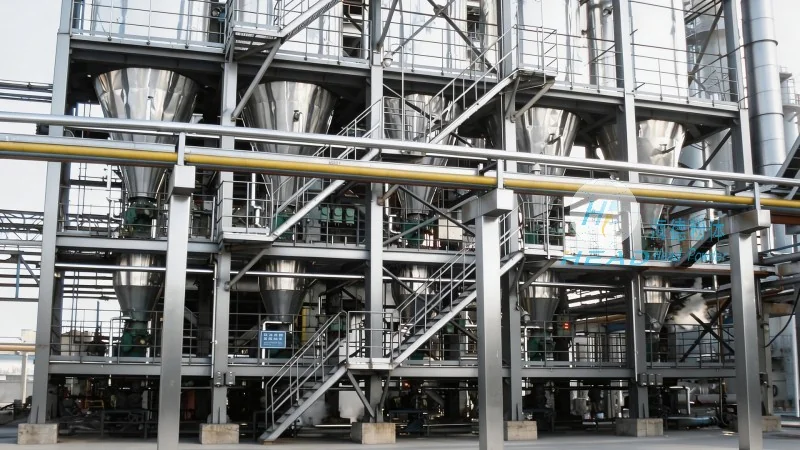
Conclusion: The Role of Advanced Engineering in Material Handling
In conclusion, the powder bin and powder conveying system is a sophisticated piece of industrial equipment that combines structural design and operational principles to address the challenges of bulk powder handling. By understanding the key components and their integration, industries can optimize their material processing workflows, enhance product quality, and improve operational efficiency. As technology advances, these systems continue to evolve, incorporating more advanced features like automation and real-time monitoring to meet the growing demands of modern manufacturing.




