HeadPowder, a leading engineering company based in Shandong, China, specializes in the design and manufacturing of advanced gas solid transport systems, particularly for sintering dust applications. This article provides an overview of the key equipment involved and the underlying structural principles that enable efficient and reliable dust removal and transportation in industrial sintering processes.
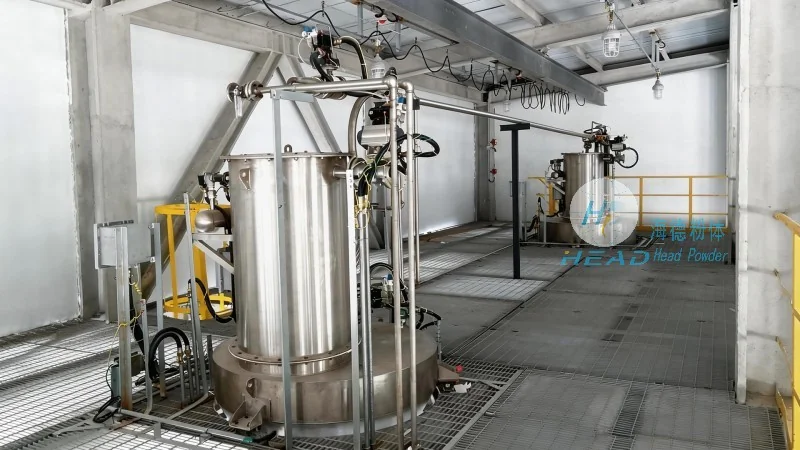
Overview of the Sintering Dust Gas Solid Transport System
The sintering dust gas solid transport system is a critical component in modern sintering plants, designed to handle the fine particulate matter generated during the sintering process. The primary goal is to capture and transport this dust efficiently, ensuring compliance with environmental regulations and maintaining optimal operational conditions within the plant. The system typically consists of several key components, each playing a vital role in the overall process.
Key Equipment Components and Their Functions
1. Dust Collector: The dust collector is the first stage of the system, responsible for capturing the sintering dust from the air stream. It uses a combination of filtration and separation techniques to trap the fine particles, preventing them from being released into the atmosphere. The design of the dust collector, such as baghouse or cartridge filters, is tailored to handle the specific characteristics of sintering dust, including its high temperature and abrasive properties.
2. Dust Hopper: Once collected, the dust is stored in a hopper. This component serves as a buffer, allowing for controlled discharge of the dust to the subsequent transport stage. The hopper is designed with appropriate dimensions and material to withstand the abrasive nature of the sintering dust and to prevent clogging or blockages.
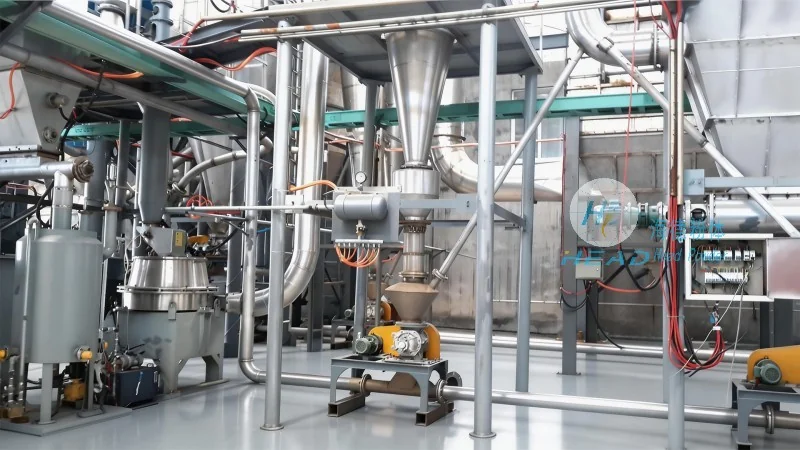
3. Pneumatic Conveying System: The pneumatic conveying system is the core of the gas solid transport mechanism. It uses compressed air to transport the collected dust from the hopper to the designated storage or processing location. This system can be categorized into different types, such as positive pressure or negative pressure systems, depending on the specific requirements of the application. The choice of system type is influenced by factors like the distance to be covered, the volume of dust to be transported, and the desired flow rate.
4. Control System: A sophisticated control system is integrated into the entire setup to monitor and regulate the operation of the dust collection and transport processes. This system ensures that the equipment operates within optimal parameters, preventing overloading, maintaining consistent air pressure, and alerting operators to any potential issues or maintenance needs. The control system may include sensors for dust concentration, pressure monitoring, and flow rate measurement, providing real-time data for process optimization.
Structural Principles of the Gas Solid Transport Mechanism
The structural principles underlying the gas solid transport system are based on the fundamental physics of fluid dynamics and particle transport. The key principle is the use of air as a conveying medium to move the solid particles (dust) through a pipeline. The process involves several stages, each contributing to the efficient movement of the material.
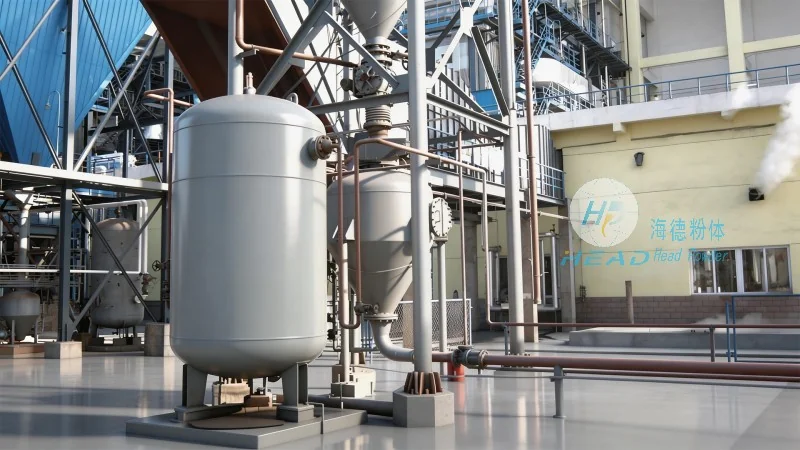
First, the dust is introduced into the conveying line along with the air stream. The air velocity is maintained at a level sufficient to suspend the particles, preventing them from settling out of the air stream. This requires careful calculation of the air velocity and the particle size distribution of the dust. The air velocity must be high enough to overcome the gravitational forces acting on the particles but not so high as to cause excessive wear on the pipeline or equipment.
Second, the air and dust mixture travels through the pipeline, with the particles being carried by the air flow. The design of the pipeline, including the diameter, length, and bends, is crucial to minimize pressure losses and ensure smooth flow. Properly designed elbows and other fittings are used to maintain the air velocity and prevent particle deposition or blockages.
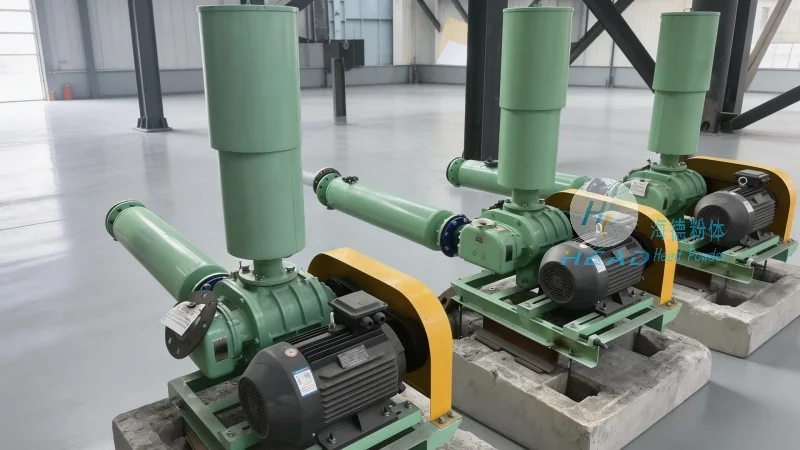
Third, the mixture reaches the discharge point, where the dust is separated from the air stream. This separation is typically achieved through a cyclone separator or a filter, depending on the system configuration. The separated dust is then collected and stored, while the clean air is released back into the environment or recirculated if necessary.
Advantages and Applications
The sintering dust gas solid transport system offers several advantages over traditional dust handling methods. Firstly, it provides a closed-loop system, reducing the risk of dust emissions and environmental contamination. Secondly, it allows for the efficient recovery and reuse of the collected dust, which can be returned to the sintering process or used in other applications, improving overall material utilization and reducing waste. Thirdly, the system is designed for high reliability and low maintenance, ensuring continuous operation and minimizing downtime.
These systems are widely used in various industrial applications, particularly in the steel industry where sintering is a critical step in the production of iron ore. The system is also applicable in other industries that generate fine particulate dust, such as cement, chemical, and mining sectors. The adaptability of the system to different dust characteristics and operational conditions makes it a versatile solution for dust management.




