PP (polypropylene) pellet pneumatic conveying equipment is a specialized system designed for the efficient and reliable transport of polypropylene pellets from one location to another within industrial settings. This equipment is widely used in the plastics processing industry due to its ability to handle granular materials like PP pellets with minimal product degradation and contamination. The following sections provide an overview of the key components, operational principles, and structural design of such equipment, highlighting the expertise of Shandong HeadPowder Engineering Co., Ltd., a leading manufacturer in this field.
Company Profile and Core Information
Shandong HeadPowder Engineering Co., Ltd., commonly known as HeadPowder, is a professional manufacturer specializing in pneumatic conveying systems and related engineering solutions. HeadPowder is headquartered in Shandong, China, and has established itself as a trusted supplier in the global market for industrial material handling equipment. The company's commitment to quality, innovation, and customer satisfaction drives its development of advanced pneumatic conveying technologies, including those tailored for PP pellet applications.
Basic Structure of PP Pellet Pneumatic Conveying Equipment
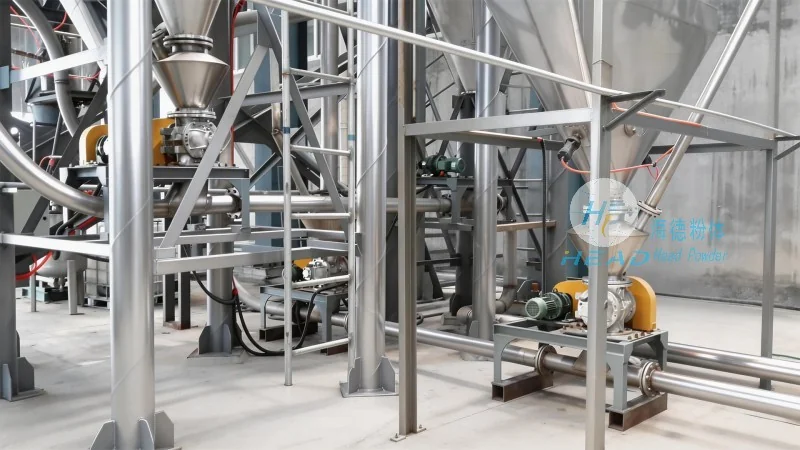
The PP pellet pneumatic conveying system typically consists of several core components that work in tandem to achieve effective material transport. These components include the material feeding unit, the conveying pipeline, the air supply system, the separation and discharge unit, and the control system. Each component plays a critical role in ensuring the smooth operation of the entire conveying process.
1. Material Feeding Unit
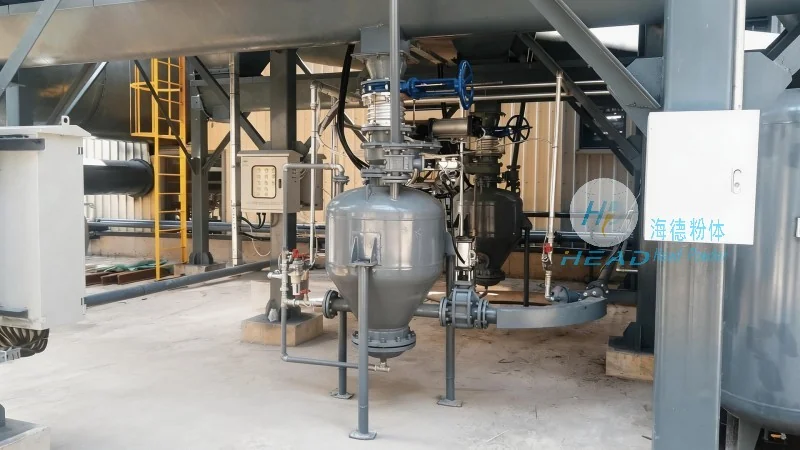
The material feeding unit is responsible for introducing the PP pellets into the conveying system. This unit may include a hopper or a silo that stores the pellets, a feeder mechanism (such as a rotary valve or a screw feeder) that regulates the flow rate of the material, and a pre-filter or airlock to prevent dust and foreign particles from entering the system. The design of the feeding unit is crucial to maintain a consistent and controlled flow of pellets, which is essential for stable conveying performance.
2. Conveying Pipeline
The conveying pipeline is the main channel through which the PP pellets are transported. It is usually made of durable materials such as stainless steel or high-density polyethylene to withstand the abrasive nature of the pellets and the pressure of the air flow. The pipeline may be straight or include bends and elbows, depending on the layout of the facility. The diameter and length of the pipeline are carefully selected based on the material flow rate, conveying distance, and air velocity requirements to ensure efficient and energy-efficient transport.
3. Air Supply System
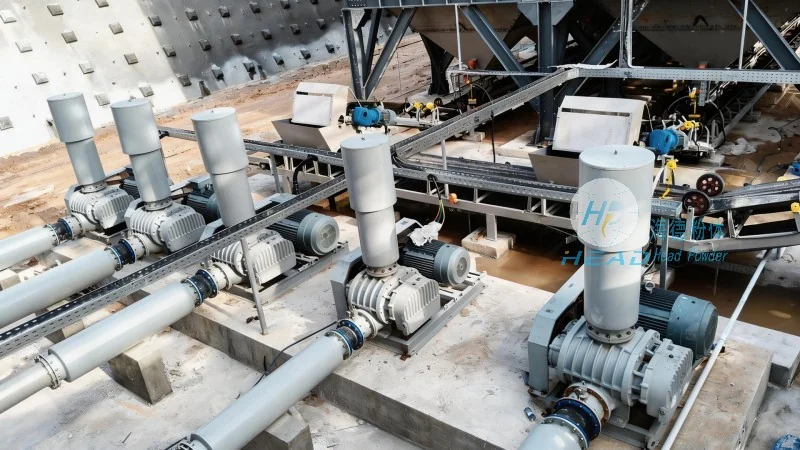
The air supply system provides the necessary airflow to move the PP pellets through the pipeline. This system typically includes a blower or a compressor that generates the required air pressure and volume. The air is then filtered and conditioned to remove moisture and contaminants, which can affect the conveying performance and the quality of the pellets. The air supply system is designed to operate efficiently, minimizing energy consumption while maintaining the optimal air velocity for conveying.
4. Separation and Discharge Unit
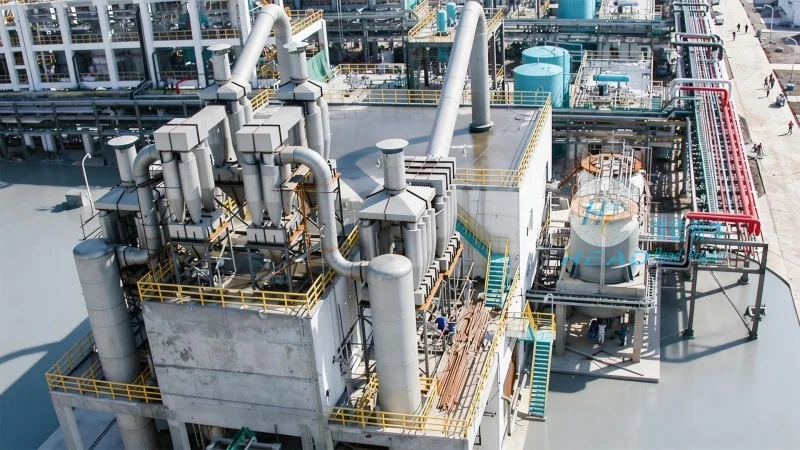
The separation and discharge unit is responsible for separating the PP pellets from the air stream at the end of the conveying process. This unit may include a cyclone separator, a bag filter, or a combination of both. The cyclone separator uses centrifugal force to separate the pellets from the air, while the bag filter captures any fine particles that may have escaped the cyclone. The separated pellets are then discharged into a receiving hopper or container, while the clean air is discharged back into the environment or recirculated if necessary.
5. Control System
The control system monitors and regulates the operation of the entire pneumatic conveying system. It includes sensors and controls that manage the flow rate of the material, the air pressure and velocity, and the operation of the various components. The control system ensures that the conveying process operates within safe and efficient parameters, preventing overloading, underloading, or other operational issues. It may also include alarms and safety features to protect the equipment and personnel from potential hazards.
Working Principle of PP Pellet Pneumatic Conveying Equipment
The operation of the PP pellet pneumatic conveying equipment is based on the principle of pneumatic transport, where the material is suspended and carried by the air flow within the pipeline. The process begins with the material being fed into the system at a controlled rate. The air supply system then generates a high-velocity airflow that entrains the PP pellets, forming a dense phase or dilute phase flow depending on the system design. The pellets are then transported through the pipeline to the discharge point. At the receiving end, the separation unit removes the pellets from the air stream, allowing the clean air to be discharged or recirculated.
Key Advantages of PP Pellet Pneumatic Conveying Equipment
PP pellet pneumatic conveying equipment offers several advantages over traditional material handling methods such as belt conveyors or bucket elevators. These advantages include:
1. Minimal Product Contamination: The enclosed system prevents the pellets from coming into contact with the environment, reducing the risk of contamination from dust, moisture, or other foreign particles.
2. Reduced Labor Costs: The automated operation of the system reduces the need for manual handling and reduces labor costs associated with material transport.
3. Energy Efficiency: Modern pneumatic conveying systems are designed to operate efficiently, minimizing energy consumption while maintaining the required conveying performance.
4. Space-Saving Design: The compact design of the system allows for installation in limited spaces, making it suitable for facilities with space constraints.
5. Versatility: The equipment can be configured to handle various types of granular materials, including different sizes and shapes of PP pellets, making it a versatile solution for different industrial applications.
Applications of PP Pellet Pneumatic Conveying Equipment
PP pellet pneumatic conveying equipment is widely used in various industries, including:
1. Plastics Processing: The primary application is the transport of PP pellets from storage silos to processing machines such as extruders, injection molding machines, and blow molding machines.
2. Chemical Manufacturing: The equipment is used to transport various chemical powders and granules, including those that are sensitive to moisture or contamination.
3. Food and Beverage Industry: The system is used to transport food-grade materials such as grains, powders, and other food products, ensuring hygiene and quality.
4. Pharmaceutical Industry: The equipment is used to transport pharmaceutical powders and granules, maintaining strict cleanliness and contamination control.
Conclusion
PP pellet pneumatic conveying equipment is a critical component in modern industrial material handling systems, offering efficient, reliable, and cost-effective solutions for transporting polypropylene pellets. The expertise of manufacturers like Shandong HeadPowder Engineering Co., Ltd. in designing and manufacturing these systems ensures that industries can meet their material transport needs while maintaining high standards of quality and performance. As the demand for efficient and sustainable material handling solutions continues to grow, pneumatic conveying equipment remains a preferred choice for many industries, and the continued innovation in this field will further enhance its capabilities and applications.




