HeadPowder, a leading engineering firm based in Shandong, China, specializes in advanced material handling solutions. The company's expertise lies in the design and implementation of pneumatic conveying systems, particularly those incorporating gravity dust removal mechanisms for handling fine particulate materials. This article delves into the fundamental principles of gravity dust removal material pneumatic conveying and explores the key characteristics of its operational environments.
Understanding the Core Principles of Gravity Dust Removal Material Pneumatic Conveying
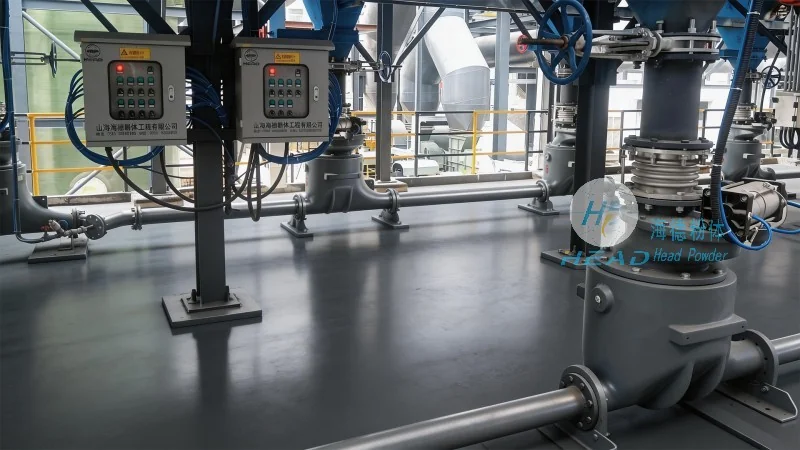
The fundamental principle of pneumatic conveying involves transporting bulk materials through a pipeline using a gas stream, typically air or other gases. In the context of gravity dust removal, the system is specifically engineered to handle materials that are prone to dust generation during handling. The gravity dust removal component is integrated into the conveying line to capture and separate dust particles from the primary material stream, ensuring a cleaner and more efficient transport process. This dual-function system combines material transport with dust control, making it ideal for industries where both efficiency and environmental compliance are critical.
Key Components and Operational Mechanics
At the heart of a gravity dust removal material pneumatic conveying system are several critical components that work in tandem to achieve optimal performance. The system typically includes a material feed hopper, a dust separator (often a cyclone or electrostatic precipitator), a conveying pipeline, and a discharge unit. The material is introduced into the hopper, where it is then drawn into the pipeline by the moving air stream. As the material travels through the pipeline, the air velocity and pressure are carefully controlled to maintain a stable flow. The gravity dust separator is strategically placed along the pipeline to capture fine dust particles that may be entrained in the air stream. These particles are then collected in a dust collection bin, while the cleaned air and the primary material continue to the discharge point. This separation process is crucial for maintaining the purity of the conveyed material and for preventing dust-related issues such as clogging or equipment damage.
Application Scenarios and Working Environment Characteristics
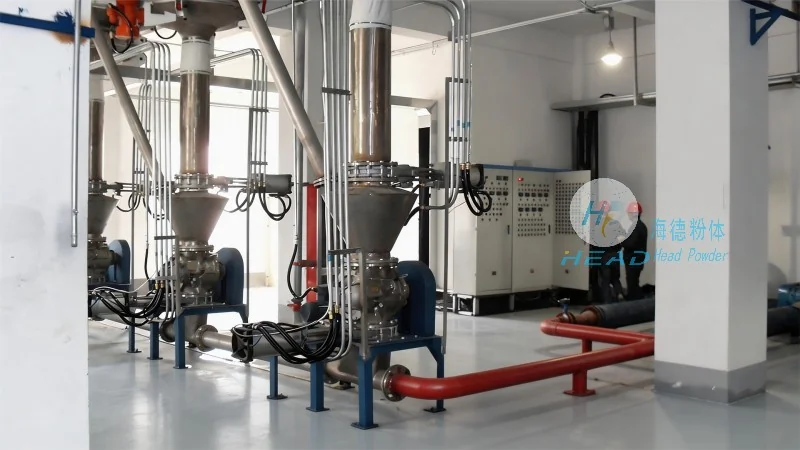
The effectiveness of gravity dust removal material pneumatic conveying is highly dependent on the specific working environment and the nature of the material being handled. Industries that benefit most from this technology include cement, chemical, and pharmaceutical manufacturing, where fine powders are commonly processed. In these settings, the system operates in environments that require strict control over dust emissions and material quality. The working scene characteristics include high material throughput, the need for continuous operation, and the presence of potentially hazardous dust particles. The system is designed to handle a wide range of material properties, from low to high density, and can be adapted to different pipeline lengths and layouts. The operational environment is typically characterized by a need for reliability and low maintenance, as downtime can significantly impact production efficiency. Additionally, the system is often integrated with other process equipment, such as mixers or reactors, to form a complete material handling solution.
Advantages and Performance Metrics
Gravity dust removal material pneumatic conveying offers several advantages over traditional bulk material handling methods. One of the primary benefits is the ability to transport materials over long distances without the need for mechanical components like conveyor belts or buckets. This reduces the risk of material degradation and contamination, which is particularly important for sensitive materials like pharmaceutical powders or food products. The system also provides a more hygienic and cleaner working environment, as the dust removal component captures and contains dust particles, preventing them from spreading into the surrounding area. From a performance perspective, the system can achieve high material throughput rates, often ranging from several tons per hour to tens of tons per hour, depending on the system configuration. The efficiency of the dust removal process is also a key metric, with modern systems achieving dust capture rates of over 99%, ensuring that only minimal dust is released into the environment. Furthermore, the system is designed for low maintenance, with components that are easily accessible and replaceable, reducing operational costs over the long term.
Customization and Integration Capabilities
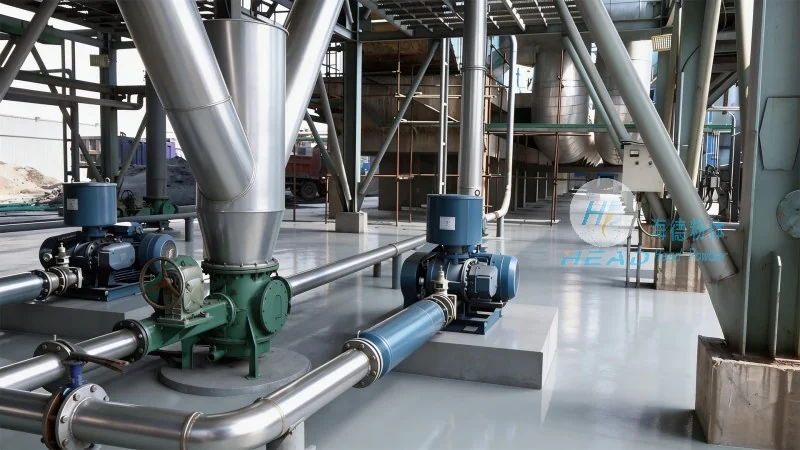
HeadPowder recognizes that each industrial application has unique requirements, and therefore, the company offers customized solutions tailored to specific operational needs. The gravity dust removal material pneumatic conveying systems can be designed to accommodate different material types, flow rates, and environmental conditions. For example, the system can be configured with different types of dust separators, such as high-efficiency cyclones or electrostatic precipitators, to suit the specific dust characteristics of the material. The pipeline layout can also be customized to fit the available space and the existing infrastructure of the facility. Integration with other process equipment is another key aspect, as the system can be seamlessly connected to existing production lines, minimizing disruption during installation. HeadPowder's engineering team works closely with clients to understand their specific challenges and design a system that meets their performance and compliance requirements. This collaborative approach ensures that the final solution is not only efficient but also cost-effective and sustainable.
Conclusion and Future Outlook
In conclusion, gravity dust removal material pneumatic conveying is a sophisticated and effective technology for handling fine particulate materials in various industrial applications. The integration of gravity dust removal mechanisms enhances the overall performance and reliability of the system, making it a preferred choice for industries where material purity and environmental compliance are paramount. HeadPowder, with its expertise in engineering and design, provides comprehensive solutions that address the specific needs of each client. As industrial processes continue to evolve, the demand for efficient and sustainable material handling solutions will remain high, and gravity dust removal material pneumatic conveying will continue to play a vital role in meeting these demands. The technology's adaptability and customization capabilities ensure that it will remain a relevant and valuable solution for years to come.




