Understanding the operation process and working principle of sodium nitrate material pneumatic conveying machines is crucial for optimizing material handling efficiency in industrial applications. This equipment is specifically designed to transport sodium nitrate, a critical chemical compound used in various industries such as agriculture, food processing, and chemical manufacturing. The following sections will delve into the detailed operation process and the underlying working principles that enable effective and reliable material transport.
Company Overview: HeadPowder Engineering
HeadPowder Engineering, a leading manufacturer based in Shandong, China, specializes in the design, development, and production of advanced pneumatic conveying systems. With years of experience in the field, the company has established itself as a trusted provider of high-quality equipment tailored to meet the unique needs of clients in diverse sectors. The company's commitment to innovation and precision engineering ensures that its products, including sodium nitrate pneumatic conveying machines, deliver superior performance and durability.
Key Components of the Pneumatic Conveying System
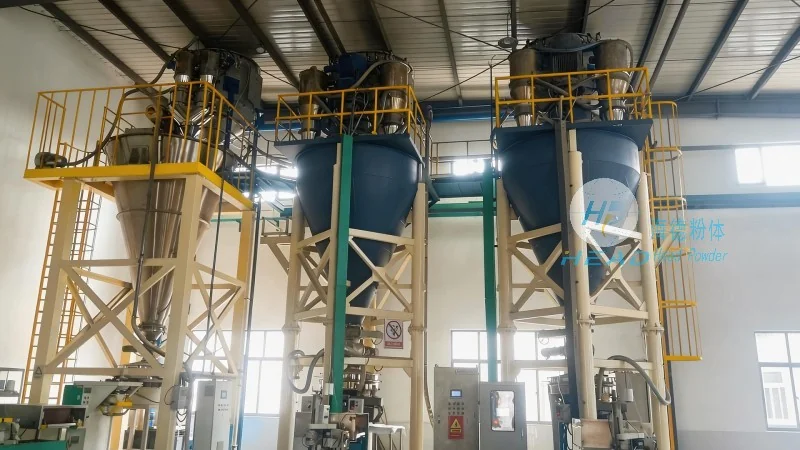
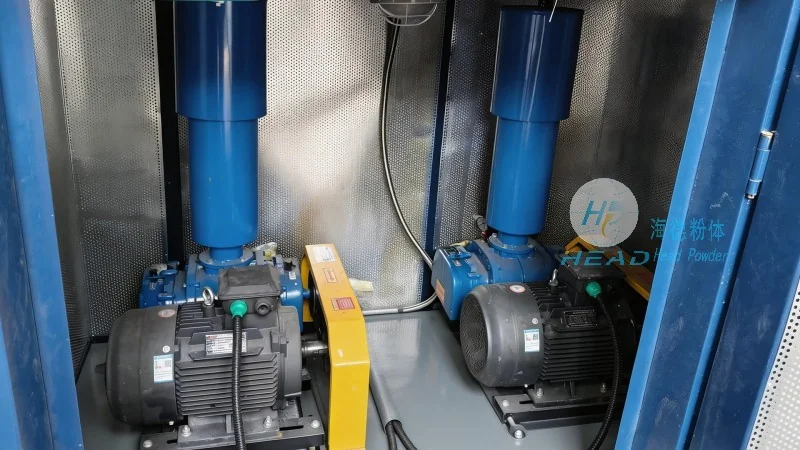
The sodium nitrate pneumatic conveying machine consists of several essential components that work in tandem to facilitate material transport. These components include the hopper, which serves as the storage and feeding unit; the air compressor, responsible for generating the necessary air pressure; the conveying pipeline, which transports the material; and the control system, which regulates the entire operation. Each component plays a vital role in ensuring the smooth and efficient movement of sodium nitrate from the source to the destination.
Working Principle of the Pneumatic Conveying Process
The working principle of the sodium nitrate pneumatic conveying machine is based on the use of compressed air to create a flow that transports the material through the pipeline. The process begins with the material being fed into the hopper from a storage silo or container. As the material accumulates in the hopper, it is drawn into the conveying pipeline by the action of the air compressor. The compressed air, introduced at a controlled pressure, creates a negative pressure or positive pressure environment within the pipeline, depending on the system design. This pressure differential propels the sodium nitrate particles forward, ensuring they are transported to the desired location.
Operation Process: Step-by-Step Guide
The operation process of the sodium nitrate pneumatic conveying machine involves several key steps that must be executed in sequence to achieve optimal performance. The first step is the preparation phase, where the system is checked for proper functionality, including the air compressor, pipeline, and control system. Once the system is ready, the material is fed into the hopper at a controlled rate, ensuring that the flow rate is consistent with the system's capacity. The air compressor is then activated, generating the required air pressure to initiate the conveying process. As the material is transported through the pipeline, the control system monitors the pressure and flow rates, making adjustments as needed to maintain stable operation. The final step involves the discharge of the material at the receiving end, where it is collected in a storage container or processing unit.
Advantages of Using Pneumatic Conveying for Sodium Nitrate
Employing a pneumatic conveying system for sodium nitrate offers several advantages over traditional material handling methods. One of the primary benefits is the ability to transport the material in a closed system, which helps to prevent contamination and dust exposure. This is particularly important for sodium nitrate, as it is a fine powder that can be hazardous if inhaled or come into contact with skin. Additionally, pneumatic conveying systems are highly efficient, as they can transport large quantities of material over long distances with minimal energy consumption. The system also reduces labor costs by automating the material handling process, allowing workers to focus on other tasks. Furthermore, the equipment is easy to maintain and repair, with modular components that can be replaced quickly in case of failure.
Applications and Industries
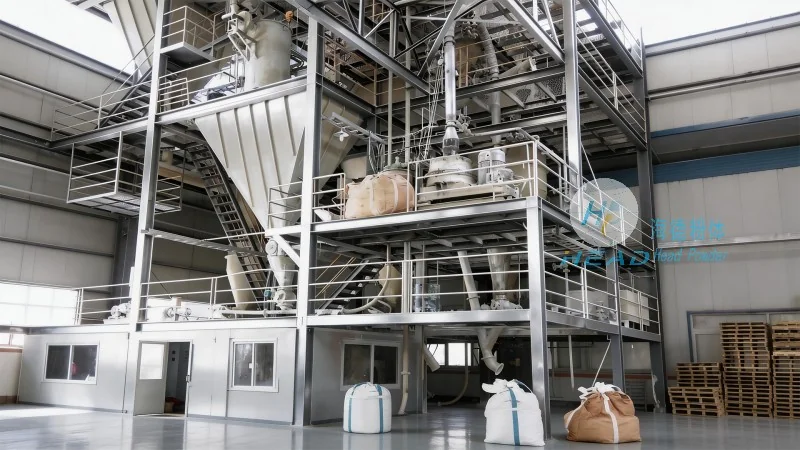
Sodium nitrate pneumatic conveying machines are widely used in various industries due to their versatility and efficiency. In the agricultural sector, they are used to transport sodium nitrate as a fertilizer, ensuring that it is delivered to farms and agricultural sites in a safe and efficient manner. In the food processing industry, the equipment is used to transport sodium nitrate as a food additive, which is used in the preservation of meats and other products. The chemical manufacturing industry also utilizes these systems to transport sodium nitrate as a raw material for the production of other chemicals. Additionally, the equipment is used in the pharmaceutical industry for the transport of sodium nitrate as a raw material for drug manufacturing.
Maintenance and Safety Considerations
Maintaining the sodium nitrate pneumatic conveying machine is essential to ensure its long-term performance and safety. Regular maintenance includes checking the air compressor for proper operation, inspecting the pipeline for leaks or blockages, and cleaning the hopper and other components to prevent the buildup of material. Safety considerations are also critical when operating the equipment, as sodium nitrate is a fine powder that can create a dust explosion hazard if not handled properly. The system should be equipped with appropriate safety features, such as dust collection systems and explosion-proof components, to minimize the risk of accidents. Additionally, workers should be trained on the proper operation and maintenance of the equipment to ensure safe and efficient use.




