PP granule material pneumatic conveying lines are sophisticated systems designed to transport plastic particles efficiently and reliably. These systems are integral to industrial operations where the seamless movement of bulk materials is critical for productivity and process continuity. The following sections outline the operational process and the underlying principles that govern the functionality of such systems.
Introduction to Pneumatic Conveying Systems
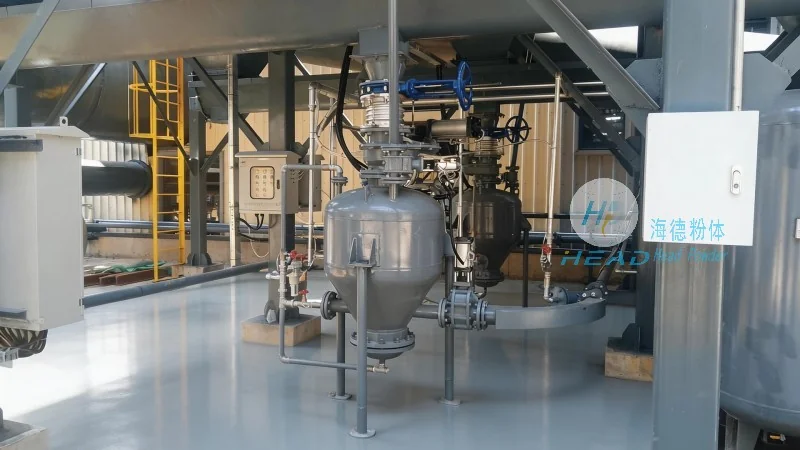
Pneumatic conveying systems utilize air or other gases to transport solid materials like plastic granules from one location to another. For PP (polypropylene) granules, these systems offer advantages over traditional methods like belt conveyors or screw conveyors, including reduced contamination risk, lower maintenance requirements, and the ability to handle materials in enclosed environments. The core components of a typical PP granule pneumatic conveying line include a hopper for material storage, a feeder to control the flow rate, a conveying line (often a pipe), a vacuum or pressure source to move the material, and a receiver for the discharged material.
Working Principle of Pneumatic Conveying
The fundamental principle behind pneumatic conveying is the creation of a flow of air that entrains the PP granules, carrying them through the conveying line. There are two primary modes of pneumatic conveying: pressure and vacuum. In pressure systems, a positive pressure is maintained throughout the conveying line, pushing the material from the source to the destination. Vacuum systems, conversely, create a negative pressure at the receiving end, pulling the material through the line. For PP granules, pressure systems are often preferred due to their ability to handle longer distances and more complex system layouts without significant pressure drops.
Key Components and Their Functions
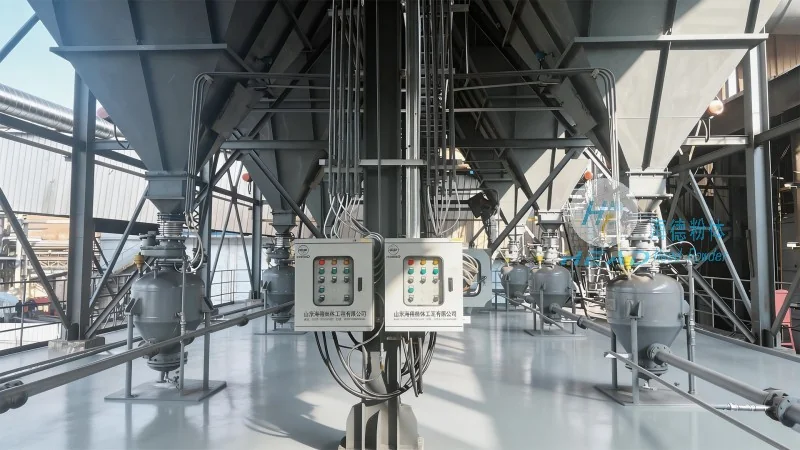
Each component in a PP granule pneumatic conveying line plays a crucial role in ensuring efficient operation. The hopper serves as the storage vessel, holding the PP granules and providing a consistent feed to the system. The feeder, typically a rotary valve or a screw feeder, regulates the flow rate of the granules into the conveying line, preventing overloading and ensuring smooth material transport. The conveying line, usually made of stainless steel or other corrosion-resistant materials, is designed to withstand the pressure and temperature conditions of the system. The air source, which can be a blower or a compressor, generates the necessary airflow to move the material. Finally, the receiver collects the PP granules at the end of the conveying line, completing the material transfer process.
Operation Process of a PP Granule Pneumatic Conveying Line
The operation of a PP granule pneumatic conveying line involves several sequential steps. First, the PP granules are loaded into the hopper. The feeder then starts, controlling the flow rate as the granules are drawn into the conveying line by the air source. The air and granules mix as they travel through the pipe, with the air velocity maintained at a level sufficient to keep the granules suspended and transported. At the receiving end, the air and granules are separated, typically using a cyclone or a filter, and the granules are collected in the receiver. The air, now clean, is either recirculated or vented to the atmosphere, depending on the system design. This continuous process allows for the reliable and efficient transfer of PP granules over varying distances and in different industrial settings.
Advantages of Using Pneumatic Conveying for PP Granules
Employing pneumatic conveying for PP granules offers several benefits that enhance operational efficiency and product quality. One key advantage is the reduction of material contamination, as the system operates in an enclosed environment, preventing exposure to dust, moisture, or other contaminants. This is particularly important for PP granules used in high-purity applications, such as food packaging or medical devices. Additionally, pneumatic conveying systems are relatively low maintenance compared to mechanical conveyors, as they have fewer moving parts and are less prone to wear and tear. The ability to handle materials in a dust-free environment also contributes to improved workplace safety and compliance with environmental regulations. Furthermore, these systems can be easily integrated into existing production lines, allowing for flexible and scalable material handling solutions.
Applications and Industries
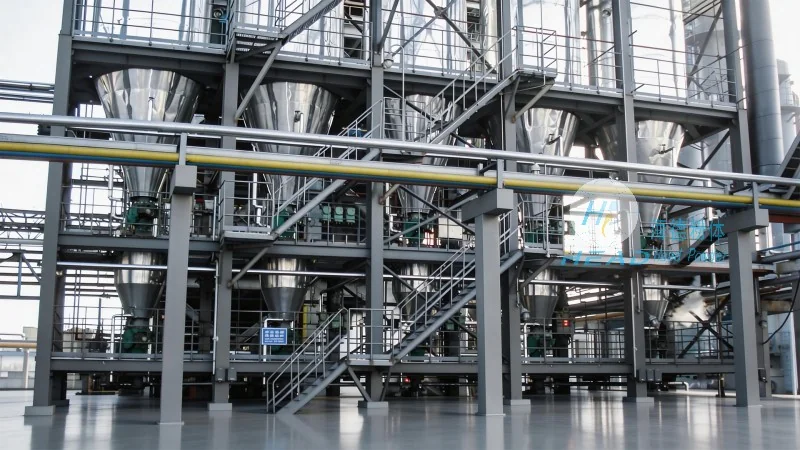
PP granule pneumatic conveying lines are widely used across various industries that rely on the efficient transport of plastic granules. In the plastics manufacturing industry, these systems are essential for moving raw PP granules from storage to processing equipment, such as extruders or injection molding machines. The automotive industry utilizes them for transporting PP granules used in interior and exterior components, ensuring consistent material quality and reducing downtime. The packaging industry also benefits from these systems when handling PP granules for manufacturing plastic containers and films. Additionally, in the chemical and pharmaceutical sectors, pneumatic conveying is used to transport PP granules in applications where material purity and contamination control are critical.
Conclusion
PP granule material pneumatic conveying lines represent a highly effective and reliable solution for the transport of plastic granules in industrial settings. By understanding the operation process and working principles of these systems, industries can optimize their material handling processes, improve product quality, and enhance overall operational efficiency. The integration of advanced components and careful system design ensures that PP granules are transported safely and efficiently, meeting the demands of modern manufacturing and processing requirements.




