HeadPowder, a leading engineering company based in Shandong, China, specializes in the design and manufacturing of advanced pneumatic conveying systems tailored for calcined sand materials. This article provides a detailed overview of the operational process and underlying working principles of such equipment, emphasizing the technical aspects and practical applications.
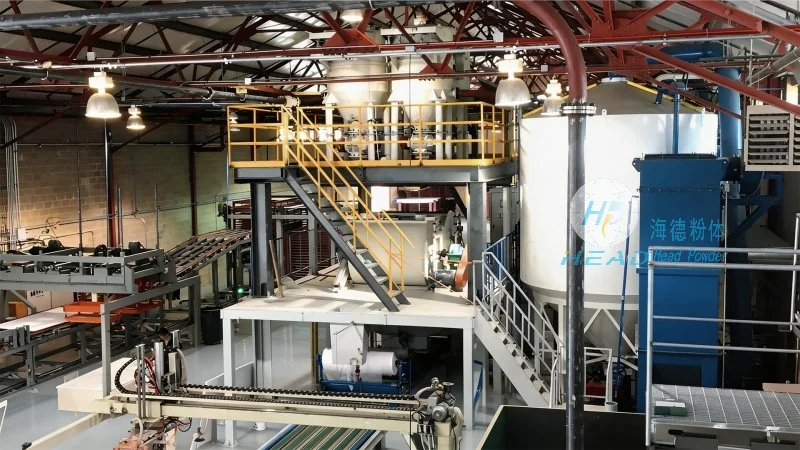
Overview of Pneumatic Conveying Systems for Calcined Sand
Pneumatic conveying equipment is widely utilized in industrial settings to transport calcined sand, a material commonly used in construction, refractory, and other manufacturing processes. The system efficiently moves the material from a storage or processing point to a destination such as a silo, storage tank, or processing unit without the need for mechanical components like belts or buckets. This method offers advantages including reduced maintenance, lower risk of contamination, and the ability to handle materials in a closed system, enhancing safety and environmental compliance.
Key Components of the Pneumatic Conveying System
The pneumatic conveying system for calcined sand typically consists of several critical components that work in concert to achieve efficient material transport. These include a blower or fan to generate the necessary air flow, a hopper or feeder to introduce the calcined sand into the system, a pipeline network to guide the material and air mixture, a separator to separate the material from the air stream, and a discharge device to deliver the material to its final location. Each component plays a vital role in ensuring the smooth and reliable operation of the entire system.
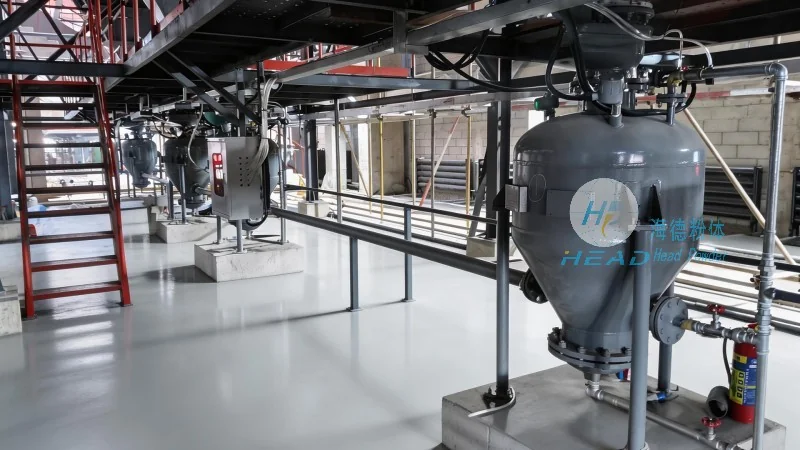
Operation Process of the Pneumatic Conveying Equipment
The operation of the pneumatic conveying equipment for calcined sand begins with the material being fed into the hopper. The feeder then controls the flow rate of the calcined sand, ensuring a consistent supply to the system. Simultaneously, the blower or fan starts operating, creating a pressure or vacuum within the pipeline. Depending on the system design, either positive pressure (where air is forced through the pipeline) or negative pressure (where air is drawn through the pipeline) is applied. The calcined sand is then introduced into the pipeline, either by being mixed with the air stream (in a dilute phase system) or by being introduced into a high-velocity air stream (in a dense phase system). The air and material mixture travels through the pipeline to the separator, where the material is separated from the air by gravity or centrifugal force. The separated material is then discharged into the target container or processing unit, while the air is either filtered and recirculated or released to the atmosphere.
Working Principle of the Pneumatic Conveying Equipment
The working principle of the pneumatic conveying equipment for calcined sand is based on the principles of fluid dynamics and particle transport. The system relies on the movement of air to transport the solid particles. In a positive pressure system, the blower generates an air flow that pushes the material through the pipeline. The velocity of the air is maintained above the minimum fluidization velocity of the calcined sand particles to prevent settling. In a negative pressure system, the fan creates a vacuum that draws the material and air mixture into the pipeline. The air flow is controlled to ensure that the particles remain suspended and are transported efficiently. The separator is designed to separate the material from the air by using a combination of gravity and centrifugal forces. The material, being denser than the air, settles and is collected, while the air passes through a filter or is recirculated back to the blower. This separation process is crucial for maintaining the purity of the calcined sand and preventing dust emissions.
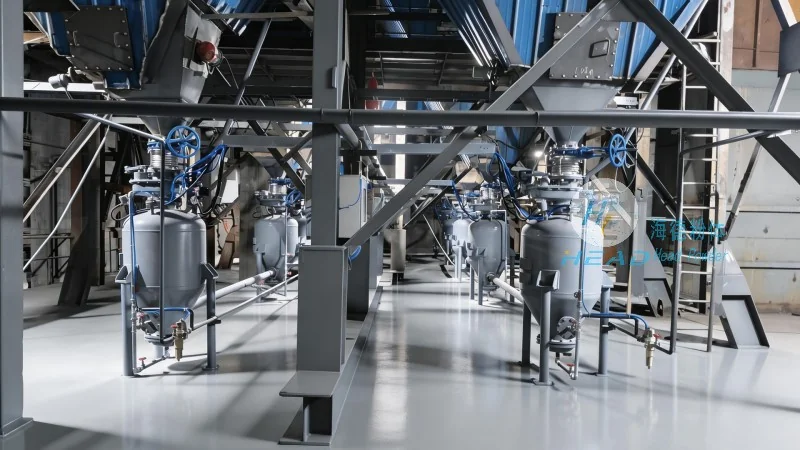
Advantages of Using Pneumatic Conveying for Calcined Sand
Implementing pneumatic conveying systems for calcined sand offers several advantages over traditional mechanical conveying methods. These include reduced risk of material contamination due to the closed system, lower maintenance requirements as there are fewer moving parts, and improved safety by eliminating the need for manual handling of the material. Additionally, the system can handle materials with varying particle sizes and moisture content, making it versatile for different applications. The ability to transport materials over long distances without the need for intermediate storage points also enhances operational efficiency.
Conclusion
HeadPowder's pneumatic conveying equipment for calcined sand materials exemplifies advanced engineering solutions designed to meet the demands of modern industrial processes. By understanding the operation process and working principles, users can appreciate the efficiency and reliability of these systems. As a company based in Shandong, China, HeadPowder continues to innovate and provide high-quality equipment that ensures optimal performance and safety in material handling operations.




