HeadPowder, a leading engineering firm based in Shandong, China, specializes in the design and implementation of pneumatic conveying systems for various industrial materials, including nickel sulfate. With a strong commitment to efficiency and reliability, the company provides comprehensive solutions tailored to the unique challenges of material handling in chemical processing industries.
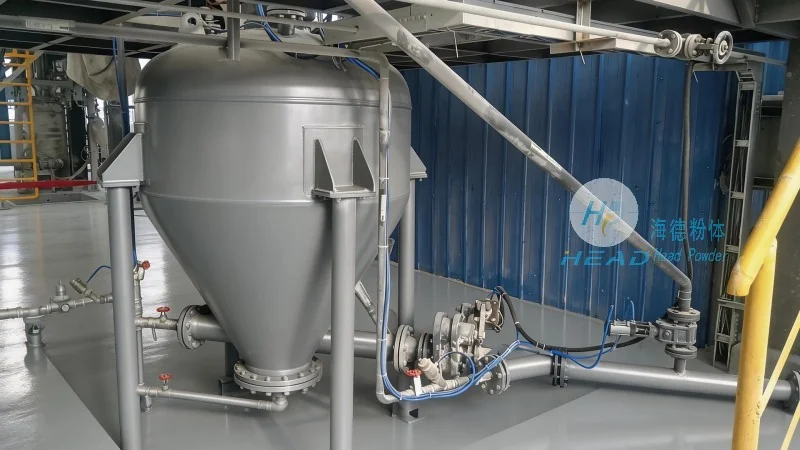
Pneumatic Conveying Systems for Nickel Sulfate: An Overview
At the core of our services is the pneumatic conveying system, a technology that enables the transport of nickel sulfate and other bulk materials through the use of air or other gases. This method offers significant advantages over traditional mechanical conveying, such as reduced equipment wear, lower maintenance costs, and improved safety in handling potentially hazardous materials like nickel sulfate.
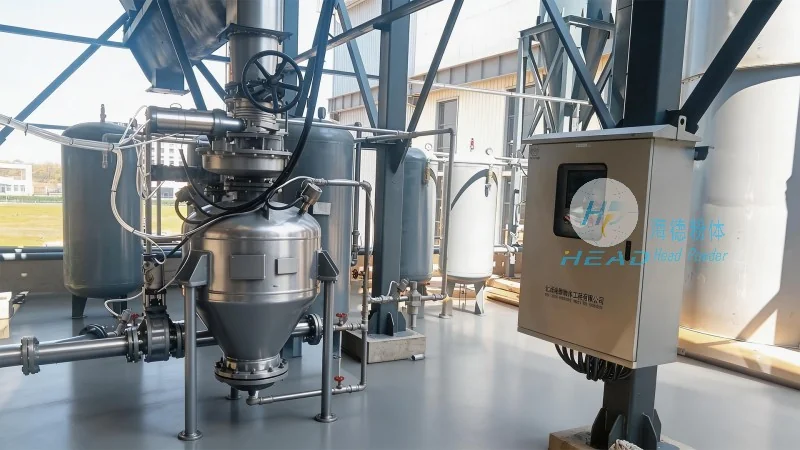
The Operation Process of Nickel Sulfate Pneumatic Conveying
The operation of a nickel sulfate pneumatic conveying system involves several key steps. Initially, the material is loaded into a hopper or storage silo. From there, it is fed into a conveyor line where it is mixed with the conveying medium—typically compressed air or a combination of air and other gases. The material is then propelled through the pipeline system by the pressure differential created by the moving air. The system includes components like feeders, cyclones, and filters to ensure consistent material flow and separation of the conveyed material from the air stream. The entire process is controlled by a sophisticated system of valves, sensors, and control panels, allowing for precise regulation of flow rates and pressure levels.
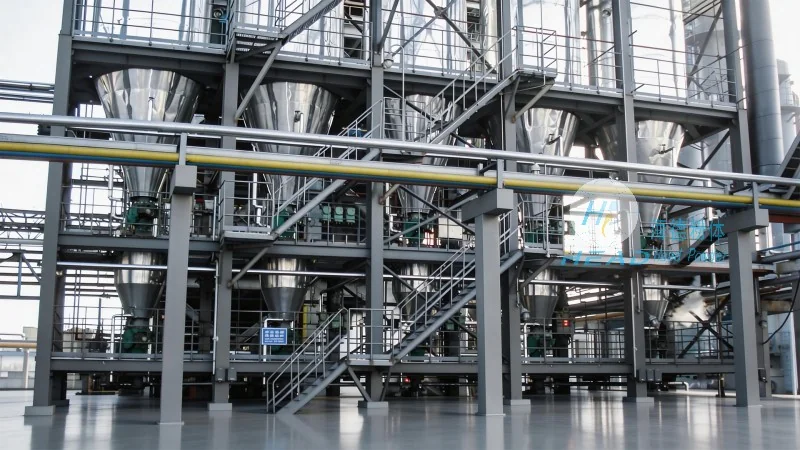
Working Principle of Pneumatic Conveying for Nickel Sulfate
The working principle of the system is based on the fundamental physics of fluid dynamics. As the conveying medium (air) moves through the pipeline, it creates a low-pressure zone that draws the nickel sulfate particles into the stream. The velocity of the air is carefully controlled to ensure that the particles remain suspended without settling or clogging the system. This suspension is maintained by maintaining a sufficient velocity above the minimum fluidization velocity, which varies depending on the particle size, density, and shape of the nickel sulfate. The system’s design, including the diameter and length of the pipeline, the type of air compressor, and the configuration of the feed and discharge points, all contribute to the efficient and stable operation of the conveying process.
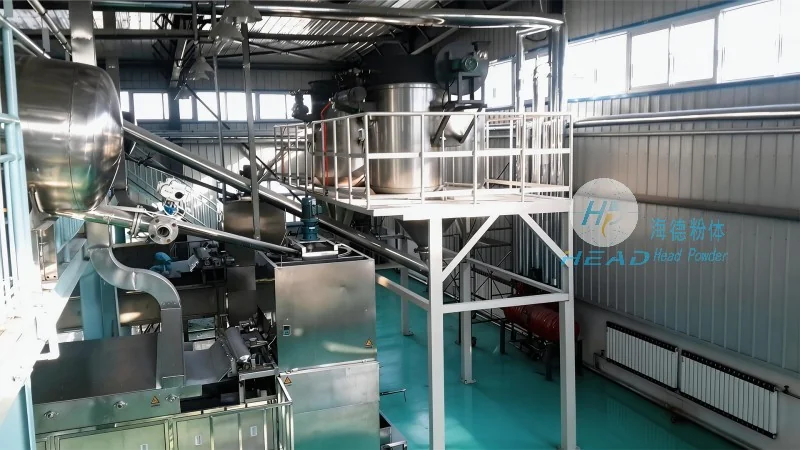
Application and Benefits in Industrial Settings
For industries dealing with nickel sulfate, such as battery manufacturing, chemical production, and metal processing, pneumatic conveying offers numerous benefits. The system minimizes the risk of material contamination, as it avoids direct contact with external surfaces or the environment. It also reduces the need for manual handling, enhancing workplace safety. Additionally, the ability to transport materials over long distances with minimal energy consumption makes it an economical choice for large-scale operations. HeadPowder’s expertise in customizing these systems ensures that clients receive solutions that are optimized for their specific production requirements, from small-scale laboratory applications to large industrial plants.




