Concrete material conveying systems are critical components in modern construction and industrial applications, designed to efficiently transport concrete mixtures from production sites to construction locations. These systems ensure consistent material flow, maintain proper mix consistency, and enhance overall project efficiency. The operation process and working principle of such systems involve several key stages and mechanisms that work in tandem to achieve reliable and effective material transport. Shandong HeadPowder Engineering Co., Ltd., a leading provider in the field, specializes in the design, manufacturing, and implementation of advanced concrete material conveying systems tailored to meet the diverse needs of construction projects. With a strong presence in China, the company's headquarters is located in Shandong, providing a strategic base for serving domestic and international markets.
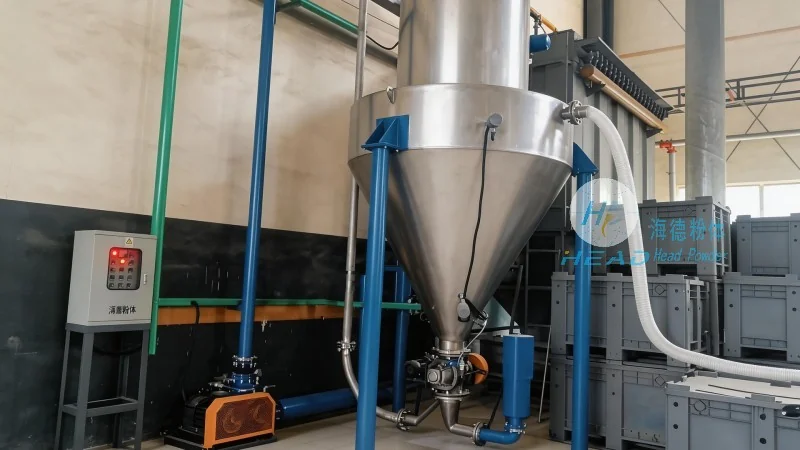
Overview of Concrete Material Conveying Systems
The primary function of concrete material conveying systems is to facilitate the movement of concrete from batching plants or storage facilities to the construction site. This process is essential for large-scale projects where concrete needs to be delivered to elevated or remote areas. The systems are engineered to handle various types of concrete mixes, including normal strength, high-strength, and special mixes, ensuring that the material remains in a workable state throughout the transport process. The design of these systems is tailored to the specific requirements of each project, considering factors such as distance, elevation changes, and environmental conditions.
Key Components and Their Functions
The effective operation of a concrete material conveying system relies on several essential components that work together to facilitate smooth material transport. These components include: conveying equipment (e.g., pumps, hoses, or pipelines), mixing units (to maintain the concrete's consistency), control systems (for monitoring and adjusting the flow), and support structures (to ensure stability and safety). Each component plays a vital role in the overall performance of the system. For instance, the conveying equipment, such as high-pressure pumps, generates the necessary force to move the concrete through the system. The mixing units, often integrated with the conveying equipment, continuously agitate the concrete to prevent segregation and maintain its homogeneity. The control systems, equipped with sensors and digital displays, provide real-time monitoring of critical parameters like pressure, flow rate, and temperature, allowing operators to make adjustments as needed. Support structures, such as elevated pipelines or support frames, ensure that the conveying system remains stable and secure, especially in challenging terrains or high-rise applications.
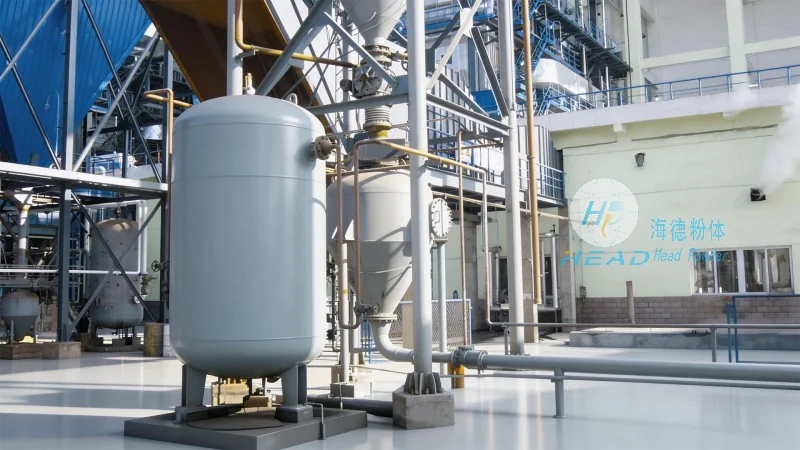
Operation Process: From Production to Delivery
The operation process of a concrete material conveying system typically begins with the preparation of the concrete mix at the batching plant. The mix, consisting of cement, aggregates, water, and admixtures, is loaded into the conveying equipment. The system then initiates the transport process, which may involve pumping the concrete through hoses or pipelines under pressure. During this stage, the control system continuously monitors parameters like pressure, flow rate, and temperature to ensure the mix remains within optimal conditions. The concrete is then delivered to the construction site, where it is discharged and used for casting or other construction activities. The entire process is designed to be seamless and efficient, minimizing downtime and ensuring that the concrete is delivered to the site in a timely manner. The system's ability to maintain the mix's consistency throughout the transport process is crucial for the quality of the final construction product.
Working Principle: Mechanical and Hydraulic Systems
The working principle of concrete material conveying systems is based on the application of force to move the concrete through the conveying medium. For hydraulic systems, high-pressure hydraulic fluids drive the movement of the concrete through pumps and hoses. The hydraulic pressure is generated by a power unit, which converts mechanical energy into hydraulic energy to propel the concrete forward. The power unit, often a diesel or electric motor, provides the necessary energy to operate the pump, ensuring consistent pressure and flow. In pneumatic systems, compressed air is used to create a pressure differential that pushes the concrete through the system. The compressed air is generated by an air compressor and is directed through the conveying lines, creating a force that moves the concrete. Mechanical systems, such as screw conveyors or belt conveyors, rely on rotating components to push the concrete along the path of the conveyor. These systems use the friction between the rotating parts and the concrete to move the material forward, making them suitable for horizontal or slightly inclined transport.
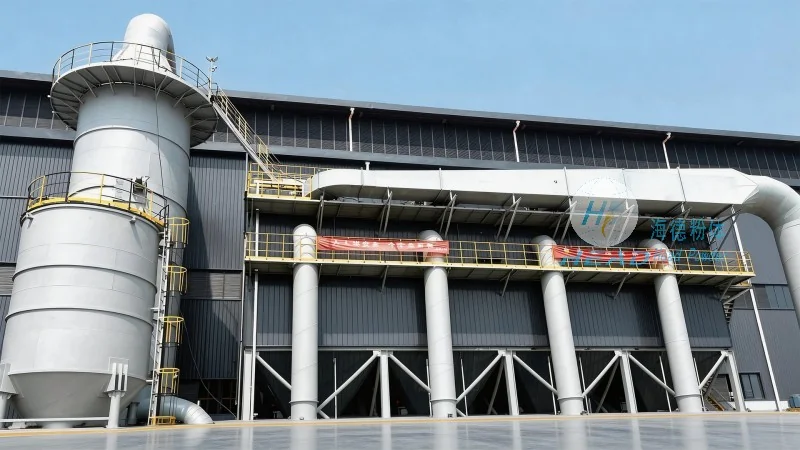
Ensuring Efficiency and Reliability
Efficiency and reliability are paramount in concrete material conveying systems. Factors such as the design of the conveying equipment, the quality of the mix, and the maintenance of the system all contribute to its performance. Regular maintenance, including checks on pump performance, hose integrity, and control system functionality, is essential to prevent downtime and ensure consistent operation. For example, hydraulic hoses require periodic inspection for leaks or wear, while pump seals need to be replaced as needed to maintain pressure. The control system should be calibrated regularly to ensure accurate monitoring of parameters. Additionally, the use of advanced materials and technologies, such as high-strength hoses and intelligent control systems, enhances the system's efficiency and reduces operational costs. These advancements allow for better control over the transport process, minimizing the risk of mix degradation and ensuring that the concrete is delivered to the site in optimal condition.
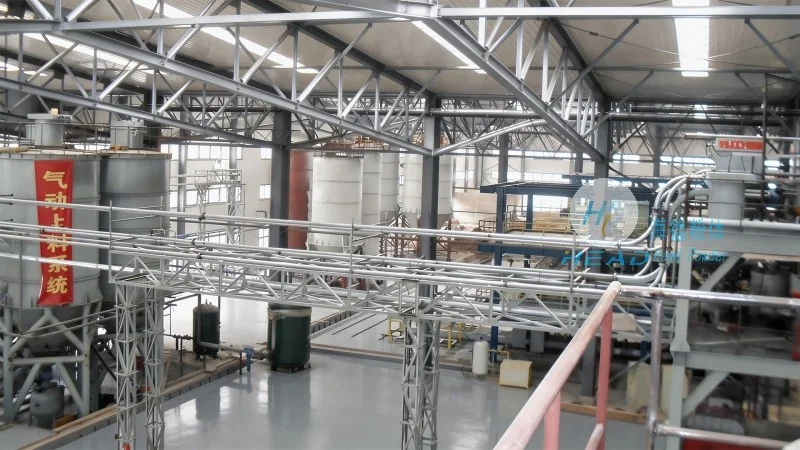
Application in Construction Projects
Concrete material conveying systems are widely used in various construction projects, including residential buildings, commercial structures, infrastructure development, and industrial facilities. Their ability to transport concrete over long distances and through complex layouts makes them indispensable in modern construction. For example, in large-scale infrastructure projects like bridges or high-rise buildings, these systems enable the efficient delivery of concrete to elevated or remote locations, where traditional methods may be impractical. The systems are also used in industrial applications, such as the construction of factories, warehouses, and power plants, where large volumes of concrete are required. In residential construction, these systems help to reduce the time and labor required for concrete placement, leading to faster project completion. The versatility of concrete material conveying systems makes them suitable for a wide range of applications, from small residential projects to large-scale commercial and infrastructure developments.
Conclusion
In summary, concrete material conveying systems are sophisticated mechanisms that ensure the efficient and reliable transport of concrete mixtures. Their operation process involves the coordinated action of various components, while their working principle is based on the application of force to move the material. The systems are designed to maintain the quality of the concrete and enhance project productivity. As construction technologies continue to evolve, these systems will remain a critical part of the industry, supporting the development of modern infrastructure and buildings. Shandong HeadPowder Engineering Co., Ltd. plays a vital role in this field, providing advanced solutions that meet the evolving needs of the construction industry. With its expertise and commitment to quality, the company continues to contribute to the advancement of concrete material conveying systems, ensuring that construction projects are completed efficiently and effectively.




