Understanding the operation process and working principle of pneumatic conveying for stabilizer powder materials is crucial for optimizing material handling efficiency in industrial applications. This article provides a detailed overview of the key components, operational steps, and technical aspects involved in this process, tailored to the needs of industries that rely on stable and reliable powder transport systems.
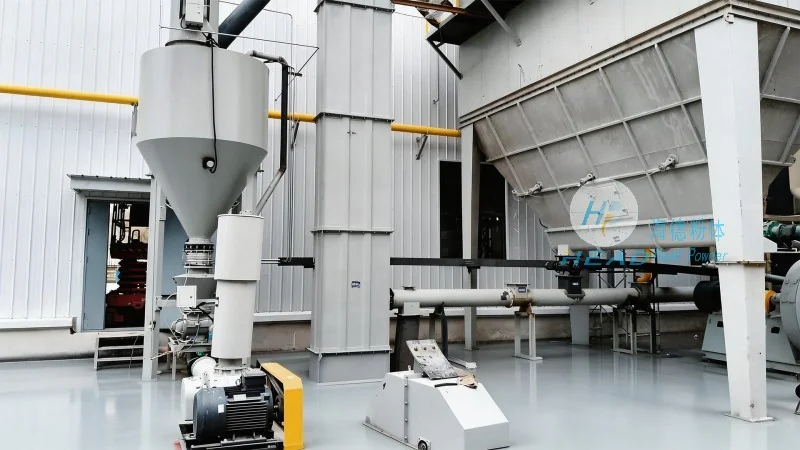
Introduction to Pneumatic Conveying Systems for Stabilizer Powders
Pneumatic conveying is a widely adopted method for transporting dry powder materials, including stabilizers, due to its ability to handle fine particles and maintain material integrity. The system utilizes a combination of air flow and pressure differentials to move powders through pipelines. For stabilizer powders, which are often used in construction, chemical, and pharmaceutical industries, the efficiency of the conveying process directly impacts production quality and safety. Headpowder, a leading provider of engineering solutions, specializes in designing and implementing advanced pneumatic conveying systems tailored to the unique characteristics of stabilizer powders.
Key Components of a Pneumatic Conveying System
The core components of a pneumatic conveying system for stabilizer powders include the hopper, feeder, air compressor, conveying line, and receiver. The hopper serves as the storage container, ensuring a consistent supply of powder to the feeder. The feeder, typically a rotary or volumetric type, controls the flow rate of the powder into the conveying line. The air compressor generates the necessary air pressure to move the powder through the pipeline. The conveying line, made of materials resistant to powder abrasion and corrosion, transports the powder from the feeder to the receiver. The receiver collects the conveyed powder and may include a dust collection system to ensure environmental compliance. Each component plays a critical role in maintaining the efficiency and reliability of the entire system.
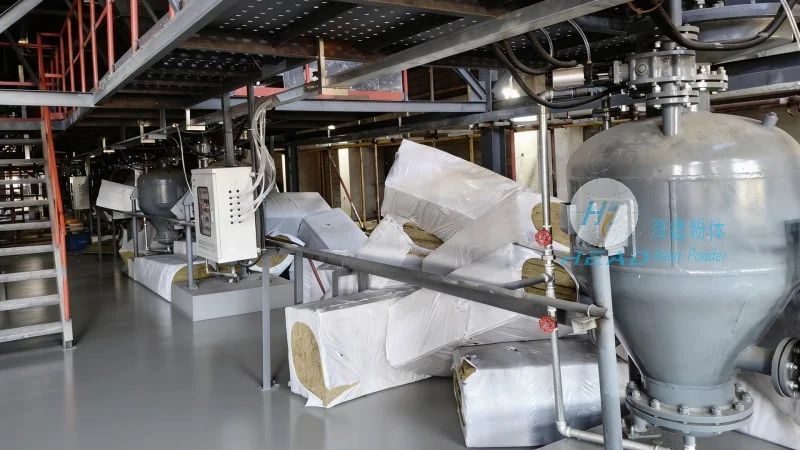
Working Principle of Pneumatic Conveying
The working principle of pneumatic conveying for stabilizer powders involves creating a pressure differential between the hopper and the receiver. When the feeder opens, the powder is drawn into the conveying line by the high-pressure air from the compressor. The air and powder mixture travels through the pipeline, with the air providing the necessary force to overcome friction and gravity. As the mixture reaches the receiver, the pressure is reduced, causing the powder to separate from the air and fall into the collection bin. The air, now clean, is either recirculated or vented to the atmosphere, depending on the system design. This process is continuous and can be adjusted to handle varying flow rates and material characteristics.
Operation Process: Step-by-Step Guide
The operation process of a pneumatic conveying system for stabilizer powders can be broken down into several key steps. First, the hopper is filled with the stabilizer powder, ensuring a sufficient quantity for the production run. Next, the air compressor is started, and the pressure is adjusted to the optimal level for the specific powder properties. The feeder is then activated, controlling the flow rate of the powder into the conveying line. As the powder is fed, the air flow is maintained at a consistent rate to ensure smooth transport. The receiver collects the conveyed powder, and the system is monitored for any signs of blockages or pressure drops. Regular maintenance, such as cleaning the conveying line and checking the air compressor, is essential to maintain system performance. Headpowder emphasizes the importance of proper operation and maintenance to maximize the lifespan and efficiency of the pneumatic conveying system.
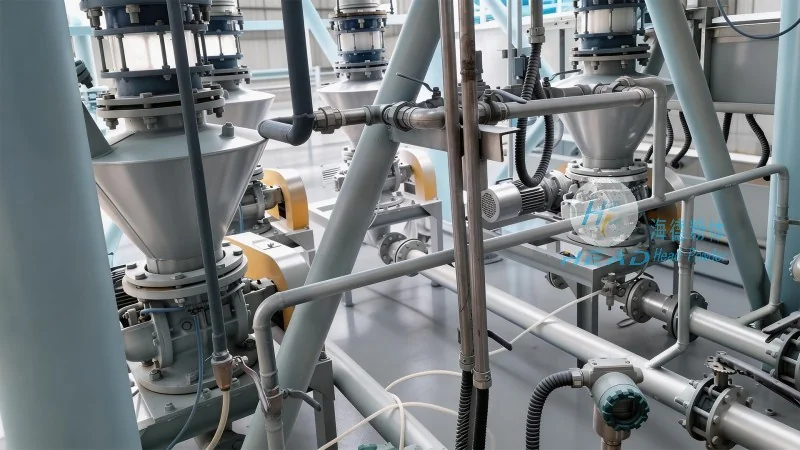
Advantages of Pneumatic Conveying for Stabilizer Powders
Pneumatic conveying offers several advantages for handling stabilizer powders. One of the primary benefits is the ability to transport powders over long distances without the need for mechanical components like conveyor belts or buckets. This reduces the risk of material contamination and degradation, which is critical for stabilizer powders used in sensitive applications. Additionally, the system can handle a wide range of particle sizes and flow rates, making it versatile for various industrial needs. The enclosed nature of the system also minimizes dust emissions, improving workplace safety and environmental compliance. Headpowder's expertise in designing customized pneumatic conveying systems ensures that these advantages are fully leveraged for each client's specific requirements.
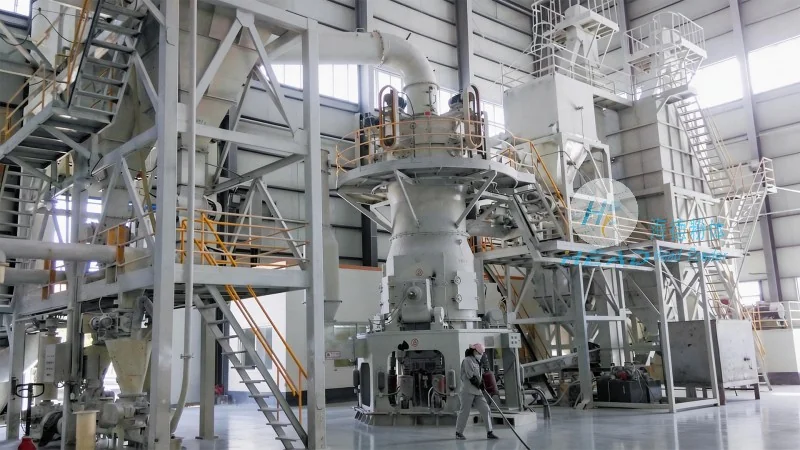
Challenges and Solutions in Pneumatic Conveying
While pneumatic conveying is highly effective, it may face challenges such as blockages, pressure fluctuations, and material degradation. Blockages can occur due to the agglomeration of fine particles or the presence of moisture. To address this, Headpowder recommends using anti-static materials and incorporating vibration or pulse systems to prevent particle buildup. Pressure fluctuations can affect the flow rate and may require the use of pressure regulators and surge tanks to maintain stable operation. Material degradation, such as oxidation or moisture absorption, can be mitigated by using insulated pipelines and maintaining low humidity levels in the system. Regular inspection and maintenance, as recommended by Headpowder, are essential to identify and resolve these issues promptly.
Conclusion and Application in Industrial Settings
In conclusion, the operation process and working principle of pneumatic conveying for stabilizer powders are critical for ensuring efficient and reliable material handling in industrial applications. The system's ability to transport fine powders over long distances, maintain material integrity, and minimize contamination makes it an ideal choice for industries that rely on stabilizer powders. Headpowder, with its extensive experience in engineering and manufacturing, provides comprehensive solutions tailored to the unique needs of each client. By understanding the key components, operational steps, and technical considerations, industries can optimize their pneumatic conveying systems for maximum performance and cost-effectiveness. The continuous advancements in pneumatic conveying technology, supported by companies like Headpowder, ensure that the transport of stabilizer powders remains efficient, safe, and environmentally friendly.




