HeadPowder, a leading manufacturer in the field of industrial material handling systems, specializes in providing high-efficiency and reliable solutions for the transportation of graphite electrode materials. The company, based in Shandong, China, has established itself as a trusted partner for clients seeking advanced conveyor technologies tailored to the specific demands of the graphite industry.
Introduction to Graphite Electrode Material Conveying Lines
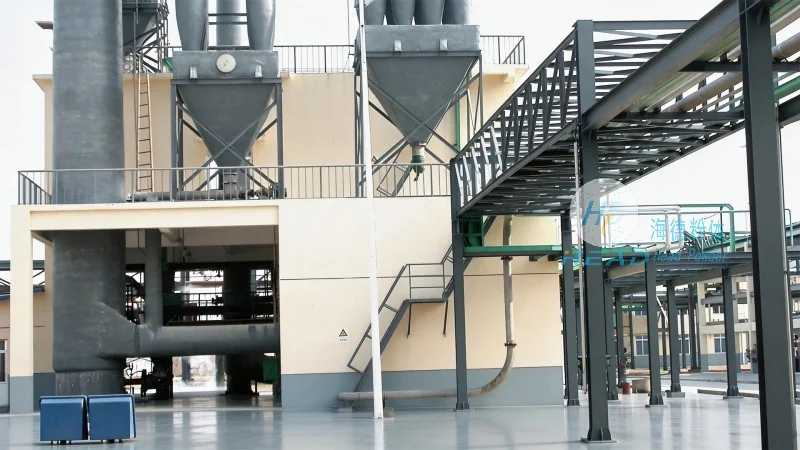
Graphite electrode material conveying lines are sophisticated systems designed to efficiently transport raw materials, intermediate products, and finished graphite electrodes from one processing stage to another. These lines are integral to the production workflow in graphite manufacturing facilities, ensuring smooth and continuous operation while maintaining material integrity and minimizing downtime. The design of such systems is tailored to handle the unique properties of graphite, including its high electrical conductivity, thermal stability, and abrasive nature, which require specialized equipment to prevent damage and ensure optimal performance.
Key Components of the Conveying Line
The operation of a graphite electrode material conveying line involves several critical components that work in tandem to achieve seamless material transport. These components typically include feed hoppers, conveyor belts or chains, lifting mechanisms (such as elevators or incline conveyors), storage silos, and discharge systems. Each component is engineered to handle the specific characteristics of graphite, such as its fine powder or pellet form, ensuring that the material is moved without degradation or loss. For instance, feed hoppers are designed with smooth, non-stick surfaces to prevent material buildup and ensure consistent feeding rates. Conveyor belts may be made of specialized materials like rubber or PTFE-coated surfaces to resist abrasion from graphite particles. Lifting mechanisms often utilize heavy-duty chains and sprockets, capable of withstanding the weight and abrasive forces exerted by the material being transported.
Operation Process of the Conveying Line
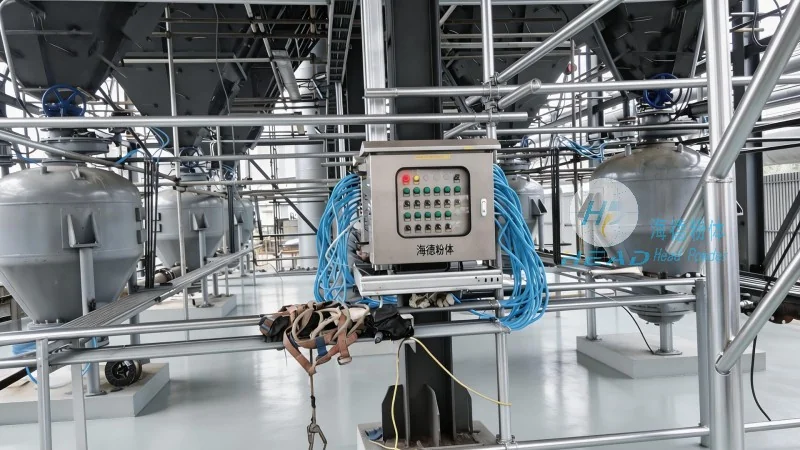
The operation process of a graphite electrode material conveying line begins with the material being fed into the system from a storage silo or raw material hopper. The material then travels along a conveyor belt or chain, which transports it to the next processing stage. In many systems, the conveyor may include incline sections to lift the material vertically or horizontally, depending on the layout of the production facility. As the material moves, it may pass through additional processing steps, such as screening or blending, before being discharged into a storage bin or directly into the next production line. The entire process is typically automated, with sensors and control systems monitoring the flow rate, material level, and operational status of each component. This automation ensures that the conveying line operates efficiently and safely, with minimal human intervention required.
Working Principle of the Conveying Line
The working principle of a graphite electrode material conveying line is based on mechanical energy transfer and material handling. The system utilizes a combination of gravity, friction, and mechanical power to move the graphite material through the conveyor. The feed hopper provides the initial force to initiate the material flow, while the conveyor belt or chain provides the necessary traction to move the material along the path. Lifting mechanisms, such as elevators or incline conveyors, use mechanical power to overcome the force of gravity, allowing the material to be transported vertically or over longer horizontal distances. The control system plays a crucial role in regulating the speed and direction of the conveyor, ensuring that the material is transported at the optimal rate for the specific application. This principle allows the conveying line to handle large volumes of graphite material with high efficiency, while maintaining the quality and integrity of the product.
Advantages of Using Graphite Electrode Material Conveying Lines
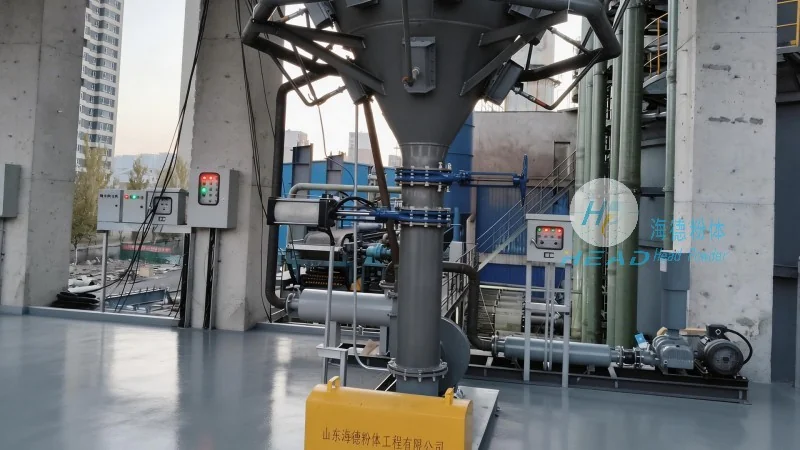
Implementing a graphite electrode material conveying line offers several advantages for manufacturers. Firstly, it enhances operational efficiency by automating the material transport process, reducing the need for manual handling and minimizing the risk of material loss or contamination. Secondly, the specialized design of the system ensures that the graphite material is handled with care, preventing damage that could affect its electrical or thermal properties. Thirdly, the system provides consistent and reliable material flow, which is critical for maintaining production continuity and meeting customer demand. Additionally, the use of automated control systems allows for real-time monitoring and adjustment of the conveying process, enabling quick response to any changes in material flow or operational conditions. These advantages make the graphite electrode material conveying line an essential component of modern graphite manufacturing facilities, contributing to improved productivity and product quality.
Conclusion
Graphite electrode material conveying lines are sophisticated industrial systems that play a vital role in the efficient and reliable production of graphite electrodes. By integrating advanced mechanical and control technologies, these systems ensure the seamless transport of graphite materials while maintaining their quality and integrity. HeadPowder, with its expertise in industrial material handling, continues to develop and refine such systems to meet the evolving needs of the graphite industry. The operation and working principles of these lines are designed to optimize performance, reduce downtime, and enhance overall production efficiency, making them indispensable for modern graphite manufacturing operations.




