Lightweight micropowder material conveying lines are specialized systems designed to handle the transportation of fine, lightweight powders efficiently and reliably. These systems are crucial in various industrial applications where the handling of such materials requires precision and control. The design and operation of these lines are tailored to address the unique challenges posed by micropowders, such as low bulk density, tendency to clog, and sensitivity to air currents. By understanding the operation process and working principle, users can better appreciate how these systems ensure consistent and safe material transport.
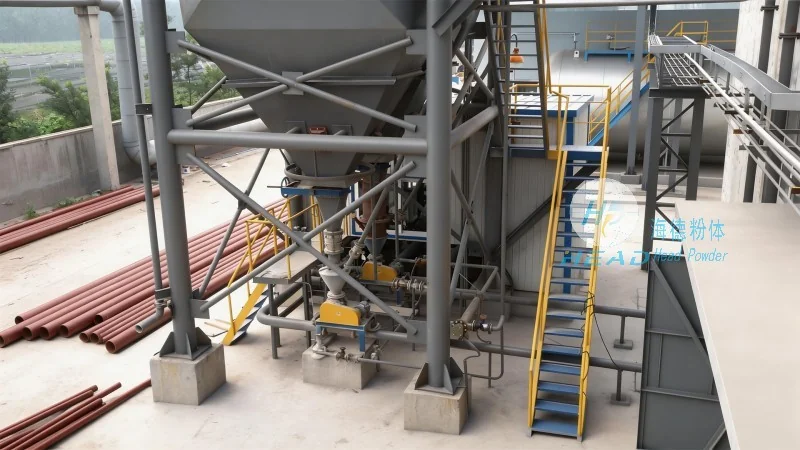
Company Introduction: Shandong HeadPowder Engineering Co., Ltd.
HeadPowder, a leading manufacturer in the field of material handling equipment, specializes in the design, development, and production of advanced conveying systems. With a strong focus on innovation and quality, the company has established itself as a trusted partner for industries dealing with lightweight micropowders. HeadPowder's expertise lies in creating customized solutions that meet the specific requirements of clients, ensuring optimal performance and durability. The company's headquarters is located in Shandong, China, where its state-of-the-art facilities and skilled workforce contribute to the production of high-quality conveying lines.
Key Components and Their Roles
The operation of a lightweight micropowder material conveying line involves several key components that work in harmony to ensure smooth material transport. These components include the hopper, which serves as the initial storage and feeding unit, the conveyor itself (such as a pneumatic or mechanical conveyor), and the control system that regulates the flow and speed. The hopper is typically designed with a wide opening and smooth interior to prevent material buildup and ensure uniform feeding. The conveyor system, often a pneumatic conveyor, uses air pressure to move the micropowders through the line, while mechanical conveyors may employ belts or screws to transport the material. The control system, equipped with sensors and valves, monitors the material flow and adjusts the air pressure or motor speed as needed to maintain consistent operation.
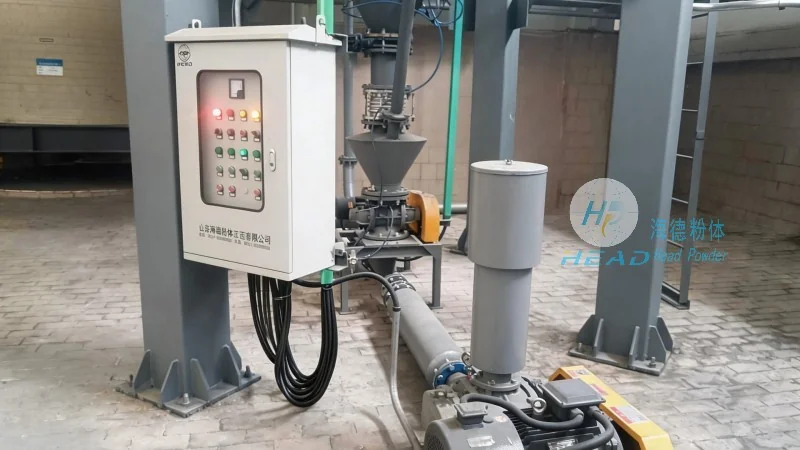
Operation Process: Step-by-Step Guide
The operation of a lightweight micropowder material conveying line follows a systematic process that ensures efficient material handling. The first step involves loading the micropowder into the hopper, which is typically done manually or via an automated feeding system. Once the hopper is filled, the control system activates the conveyor, initiating the material transport. The air pressure in the pneumatic system is adjusted to the appropriate level, ensuring that the micropowders are moved at a controlled speed. As the material travels through the line, it passes through various sections, including bends and filters, which help maintain the quality and purity of the powder. The conveying line may also include a discharge unit at the end, which collects the material and transfers it to the next processing stage. Throughout the operation, the control system continuously monitors the flow rate and pressure, making real-time adjustments to maintain optimal performance. This step-by-step process ensures that the micropowders are transported safely and efficiently, minimizing the risk of clogging or material loss.
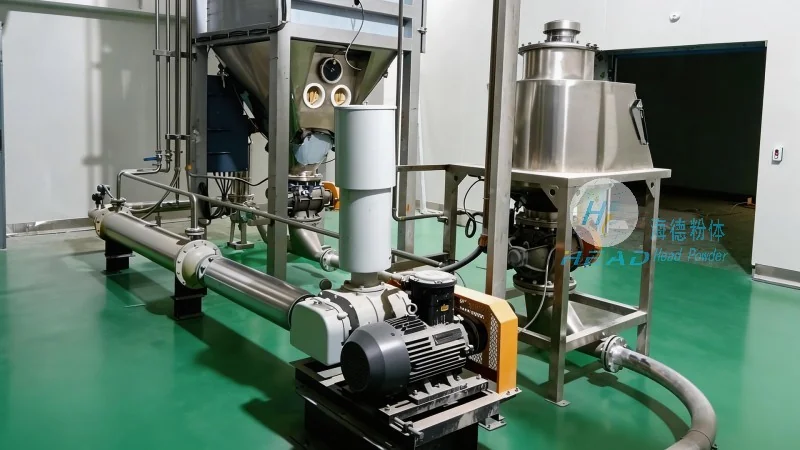
Working Principle: How the System Functions
The working principle of a lightweight micropowder material conveying line is based on the principles of fluidization and air movement. In a pneumatic conveying system, the micropowders are suspended in a stream of air, which allows them to be transported through the line. The air pressure is maintained at a level that is sufficient to overcome the gravitational force and frictional resistance of the material. The system uses a combination of positive and negative pressure zones to move the material from the hopper to the discharge point. The positive pressure zone, located near the hopper, pushes the air and material forward, while the negative pressure zone, near the discharge, pulls the material through the line. This pressure differential ensures a continuous flow of material, even when the line is inclined or has bends. The control system plays a critical role in maintaining this pressure differential, ensuring that the material moves smoothly without any blockages. Additionally, the system may include features such as cyclone separators or filters to remove any dust or debris from the air, maintaining the purity of the micropowders and protecting the equipment from wear and tear.
Benefits and Applications
Lightweight micropowder material conveying lines offer several benefits that make them ideal for various industrial applications. These systems are highly efficient in transporting fine powders, reducing the need for manual handling and minimizing the risk of material loss or contamination. The use of pneumatic conveyors, in particular, allows for a clean and hygienic environment, which is essential in industries such as pharmaceuticals and food processing. The systems are also flexible and can be customized to fit the specific requirements of different applications, including different material types, flow rates, and distances. Some common applications include the transport of powders in the chemical, pharmaceutical, food, and mining industries. For example, in the pharmaceutical industry, these systems are used to transport active ingredients and excipients, ensuring that the powders are handled with precision and care. In the chemical industry, they are used to transport raw materials and intermediates, improving the overall efficiency of the production process.




