Working Principle and Characteristics of Air-Flow Conveying for Boron Nitride Materials
Release time:2026-09-18 07:01:28
name of the company:Shandong Headpowder Engineering Co., Ltd.
telephone:156-6277-7102
contacts:Zhang manager
Understanding the working principle and characteristics of air-flow conveying for boron nitride materials is crucial for optimizing material handling processes in various industrial applications. This article provides a detailed overview of the mechanisms involved and the key attributes that define effective air-based material transport systems for this specific material.
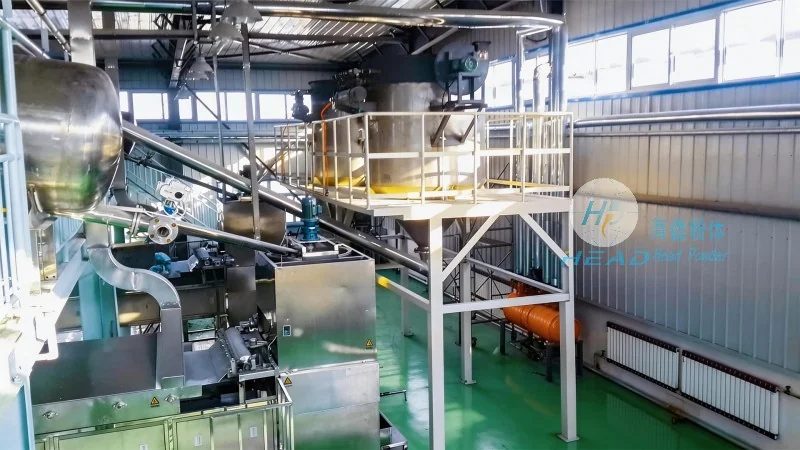
Working Principle of Air-Flow Conveying for Boron Nitride
The air-flow conveying system for boron nitride operates on the principle of transporting dry powders or granular materials using a stream of air. In this process, the material is introduced into a pipeline or duct where it is suspended and carried by the moving air. The core components of such a system typically include a material feed hopper, a blower or fan to generate the air flow, and a conveying line that transports the material to the discharge point. The air velocity within the pipeline is carefully controlled to ensure that the boron nitride particles remain suspended without settling or causing blockages. This suspension is achieved by maintaining an air velocity above the material's terminal velocity, which is the speed at which the material falls due to gravity when suspended in the air stream. The system may also incorporate features like cyclones or filters at the discharge end to separate the material from the air, ensuring that the material is deposited accurately and the air is cleaned before release.
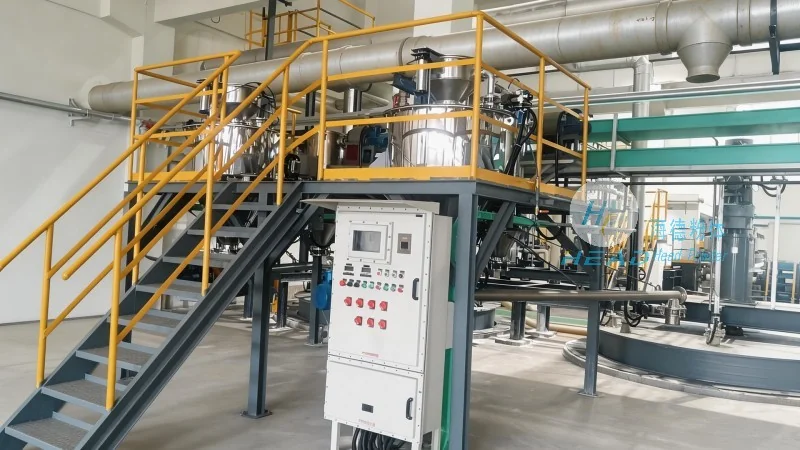
Key Characteristics of Air-Flow Conveying for Boron Nitride
Several distinct characteristics define the performance and suitability of air-flow conveying for boron nitride materials. Firstly, the system offers a high degree of flexibility in terms of material handling, as it can transport materials over long distances and through complex layouts without the need for mechanical components like belts or screws. This makes it ideal for applications where space constraints or material sensitivity require a non-contact transport method. Secondly, air-flow conveying is known for its ability to handle materials with varying particle sizes and shapes, including fine powders and irregularly shaped particles, without causing degradation or agglomeration. The gentle handling provided by the air stream minimizes the risk of particle breakage or contamination, which is particularly important for boron nitride, a material valued for its high purity and thermal stability. Thirdly, the system provides excellent control over the material flow rate and discharge position, allowing for precise dosing and deposition. This is achieved through adjustable air pressure and flow rate settings, which can be tailored to the specific properties of the boron nitride material being conveyed. Additionally, air-flow conveying systems are generally low in maintenance, as they have fewer moving parts compared to mechanical conveying systems, reducing the risk of wear and tear and minimizing downtime. The use of air as the conveying medium also eliminates the need for additional lubrication or cleaning agents, contributing to a cleaner and more hygienic operation.
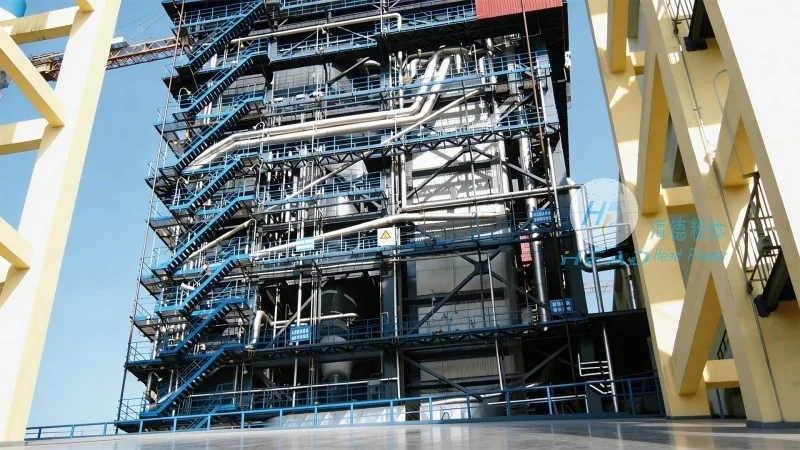
Applications and Benefits in Industrial Settings
Air-flow conveying for boron nitride finds applications in a range of industries, including electronics, aerospace, and high-temperature manufacturing. In the electronics industry, for example, boron nitride is used as a dielectric material in capacitors and as a thermal interface material. The air-flow conveying system ensures that the material is delivered to the production line in a clean and consistent manner, maintaining the high purity standards required for these applications. In aerospace, boron nitride is used in high-temperature components due to its excellent thermal stability and low coefficient of thermal expansion. The ability of the air-flow system to handle the material without causing contamination or degradation is critical for meeting the stringent quality requirements of aerospace manufacturing. The benefits of air-flow conveying, such as low maintenance, flexibility, and gentle handling, make it a preferred choice for these applications, where reliability and efficiency are paramount.




