

Working Principle and Features of a Calcined Gypsum Pneumatic Conveying System
Calcined gypsum, also known as plaster of Paris, is a widely used material in construction, industrial applications, and various manufacturing processes. The efficient and reliable transportation of this material from production sites to processing or end-use locations is crucial for maintaining production efficiency and product quality. Pneumatic conveying systems have emerged as a preferred solution for handling calcined gypsum due to their ability to transport materials in a dust-free, controlled manner. This article explores the working principle and key features of a calcined gypsum pneumatic conveying system, highlighting how such systems enhance operational performance and material handling capabilities.
The Working Principle of a Calcined Gypsum Pneumatic Conveying System
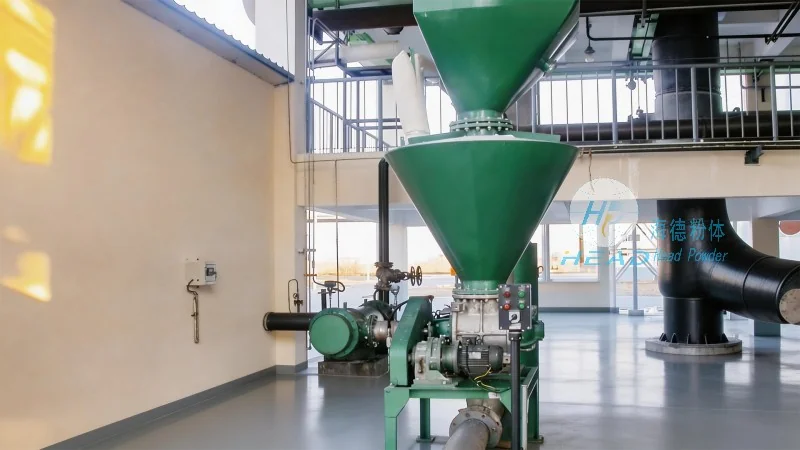
A calcined gypsum pneumatic conveying system operates on the principle of using air to transport bulk materials through a pipeline network. The system typically consists of several key components, including a material feeder, a conveying pipeline, a dust collector, and a control system. The process begins with the material feeder, which meters the calcined gypsum into the system at a controlled rate. The feeder may be a rotary valve or a screw feeder, ensuring a consistent flow of material into the pipeline.
Once the material is introduced into the pipeline, a fan or blower generates a high-velocity airflow. This airflow carries the calcined gypsum particles through the pipeline to the destination point, such as a storage silo, processing unit, or packaging area. The velocity of the air is critical; it must be sufficient to overcome the gravitational force and friction within the pipeline while preventing material deposition or blockages. The system may use either positive or negative pressure (or a combination of both) depending on the specific application and layout. Positive pressure systems blow air into the pipeline, while negative pressure systems draw air and material through the pipeline, with the latter often preferred for applications involving long distances or multiple transfer points.
The conveying pipeline is designed to withstand the pressure and temperature variations associated with calcined gypsum transport. It is typically made of corrosion-resistant materials like stainless steel or high-density polyethylene to prevent material degradation and system contamination. The pipeline may include bends, elbows, and expansion joints to accommodate changes in direction and elevation, ensuring smooth material flow without causing excessive pressure drops or material degradation.
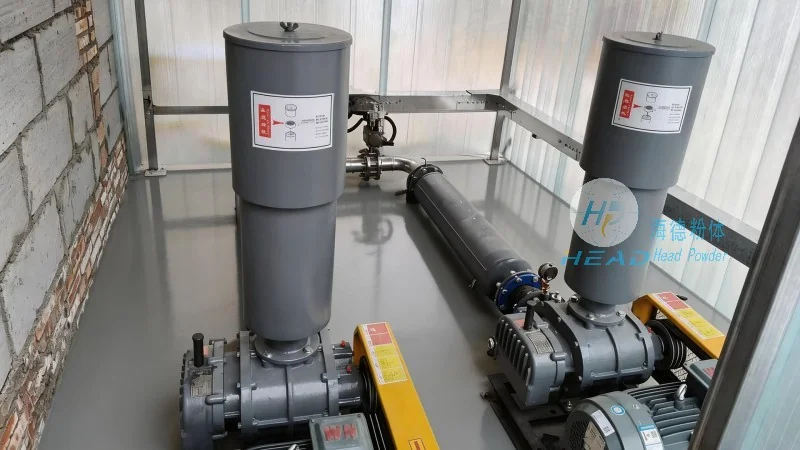
At the receiving end of the system, a dust collector or filter is used to separate the calcined gypsum particles from the air stream. This step is essential for maintaining air quality and preventing dust accumulation in the system or surrounding environment. The collected material is then discharged into a storage container or directly into the next processing stage. The control system monitors and regulates the airflow, material feed rate, and pressure within the system, ensuring optimal performance and preventing operational issues such as blockages or over-pressurization.
Key Features of a Calcined Gypsum Pneumatic Conveying System
The calcined gypsum pneumatic conveying system offers several advantages that make it an attractive solution for material handling in various industries. One of the primary features is its ability to transport calcined gypsum in a dust-free environment. Unlike traditional belt or bucket elevators, pneumatic systems do not generate significant dust, which reduces the risk of respiratory issues for operators and minimizes the need for extensive dust control measures.
Another key feature is the system's flexibility in terms of layout and distance. Pneumatic conveying systems can transport calcined gypsum over long distances and through complex layouts, including vertical lifts and horizontal transfers. This flexibility allows for integration with existing production facilities or the design of new systems that optimize material flow and reduce operational costs.
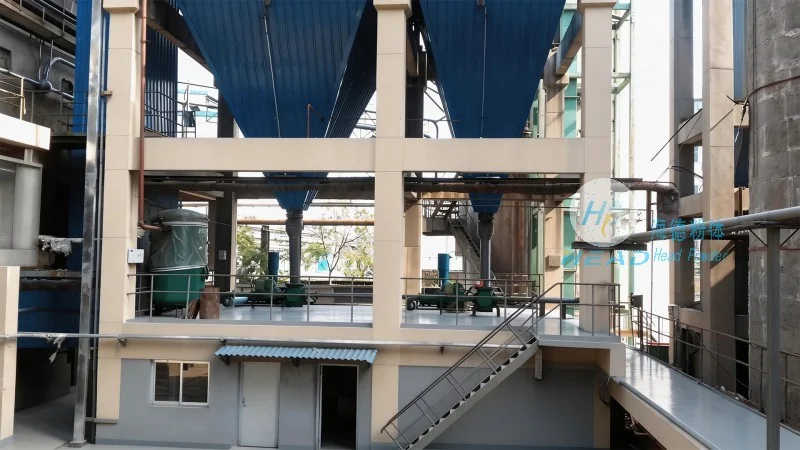
The system also provides high material handling capacity, with the ability to transport large volumes of calcined gypsum efficiently. This is particularly beneficial for high-production environments where consistent material flow is essential for maintaining production rates. Additionally, pneumatic conveying systems are relatively low-maintenance compared to other material handling equipment, as they have fewer moving parts and are less prone to wear and tear.
Energy efficiency is another important feature of calcined gypsum pneumatic conveying systems. Modern systems use advanced fans and blowers that are designed to operate at optimal efficiency, reducing energy consumption and operational costs. The system's ability to handle calcined gypsum without the need for additional equipment, such as conveyors or elevators, further contributes to overall energy savings.
Furthermore, the system offers improved product quality by minimizing material degradation and contamination. The enclosed pipeline and controlled airflow prevent exposure to moisture, air, or other contaminants that could affect the quality of the calcined gypsum. This is particularly important for applications where the material's properties, such as its setting time or strength, are critical.
About Shandong HeadPowder Engineering Co., Ltd.
Shandong HeadPowder Engineering Co., Ltd., operating under the brand name headpowder, is a leading provider of industrial material handling solutions, including calcined gypsum pneumatic conveying systems. With a strong focus on innovation and customer satisfaction, the company has established itself as a trusted partner for businesses in the construction, manufacturing, and industrial sectors.
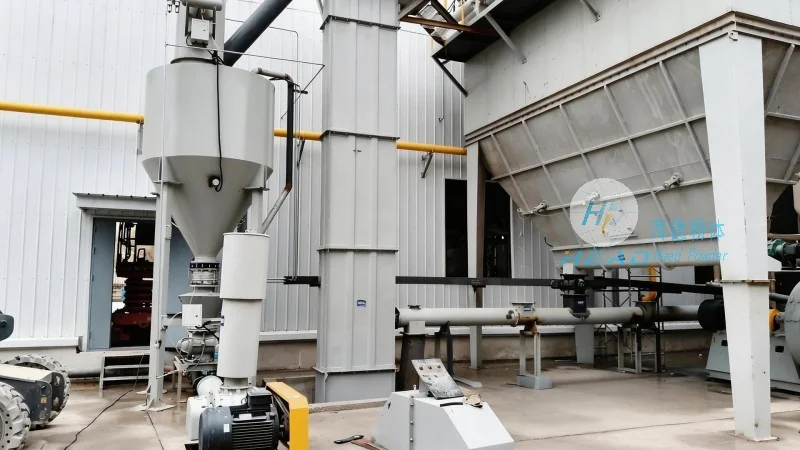
HeadPowder specializes in designing, manufacturing, and installing customized pneumatic conveying systems tailored to the specific needs of each client. The company's team of experienced engineers and technicians works closely with clients to understand their operational requirements, material characteristics, and budget constraints, ensuring that the final system meets all performance and safety standards.
HeadPowder's calcined gypsum pneumatic conveying systems are built with high-quality materials and components, ensuring durability and long-term reliability. The company adheres to strict quality control processes throughout the manufacturing and installation phases, ensuring that each system is tested and validated before delivery. This commitment to quality has earned HeadPowder a reputation for delivering systems that exceed client expectations and contribute to improved operational efficiency.
HeadPowder's headquarters is located in Shandong, China, where the company maintains state-of-the-art manufacturing facilities and technical support centers. The company's team of experts provides comprehensive after-sales support, including system maintenance, troubleshooting, and technical assistance, ensuring that clients receive ongoing support throughout the system's lifecycle.