

Working Principle and Features of Phosphorus Pentachloride Pneumatic Conveying System
Phosphorus pentachloride (PCl₅) is a critical chemical intermediate widely used in the production of various pharmaceuticals, agrochemicals, and specialty chemicals. The efficient and safe handling of PCl₅ is paramount due to its corrosive nature and potential hazards during transportation. Pneumatic conveying systems have emerged as a preferred solution for moving PCl₅ from storage to processing units, offering advantages over traditional methods like bulk handling and mechanical conveying. This article explores the working principle and key features of a phosphorus pentachloride pneumatic conveying system, highlighting its operational efficiency and safety considerations.
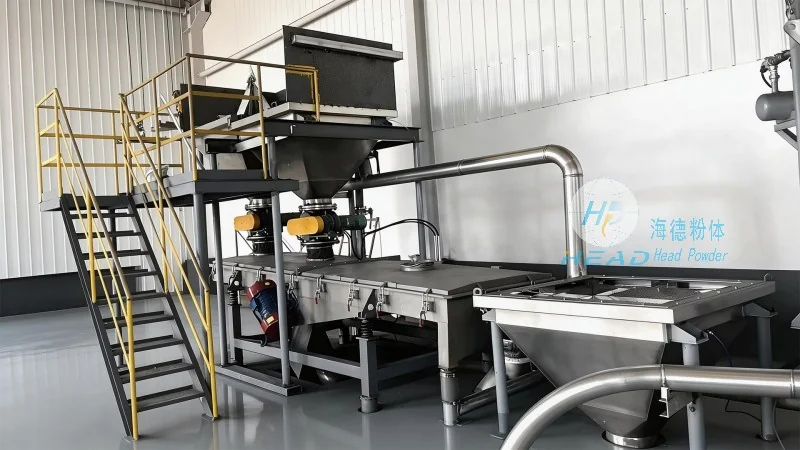
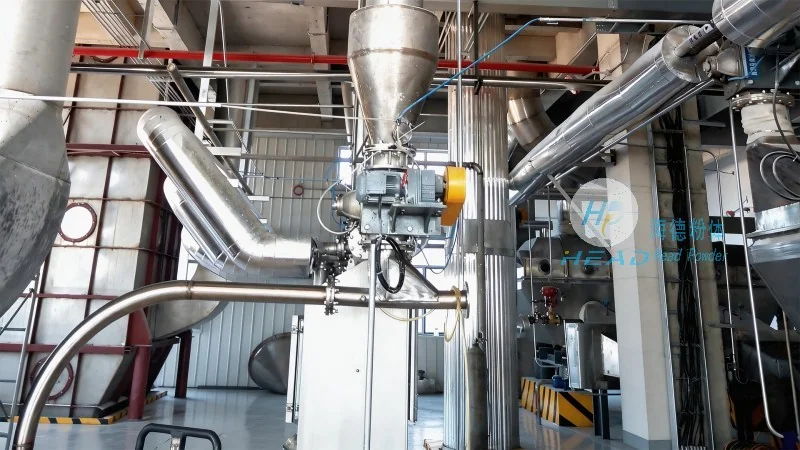
Working Principle of the Phosphorus Pentachloride Pneumatic Conveying System
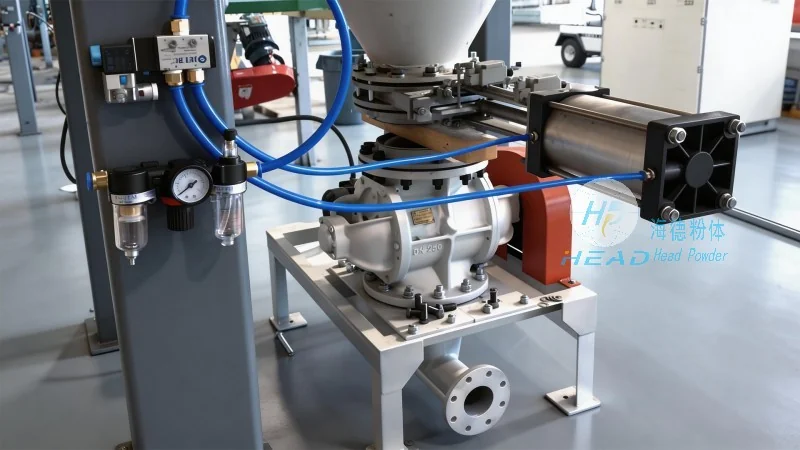
The core mechanism of a PCl₅ pneumatic conveying system involves the use of compressed air to transport the solid material through a pipeline. The system typically consists of several components, including a hopper for material storage, a rotary airlock valve to control the flow of PCl₅ into the conveying line, a venturi or pressure drop device to create the necessary air flow, and a receiver where the material is deposited. The process begins with the PCl₅ being fed from the hopper into the rotary airlock, which meters the material at a controlled rate. Simultaneously, compressed air is introduced into the conveying line, creating a high-velocity air stream that entrains the PCl₅ particles. The air and material mixture travels through the pipeline under pressure, with the venturi or pressure drop device maintaining the required airflow velocity to ensure reliable transport. Upon reaching the receiver, the air is separated from the PCl₅, often using a cyclone or filter system, and the air is then discharged or recirculated, while the PCl₅ is collected for further processing. This closed-loop system minimizes exposure to the environment and reduces the risk of dust contamination or material loss.
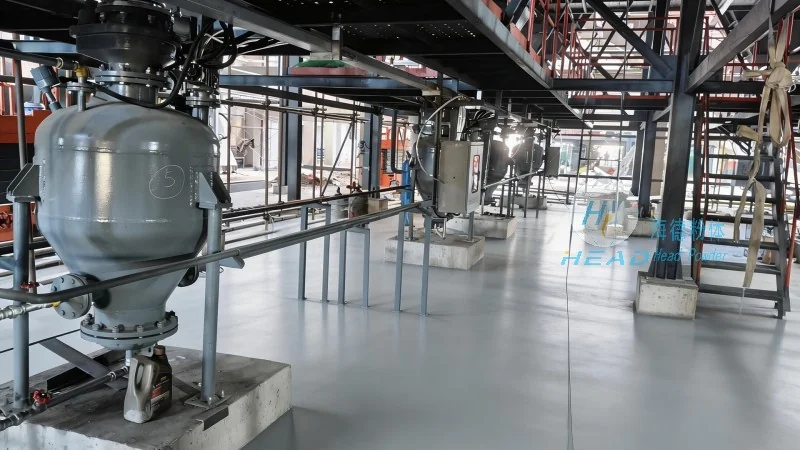
Key Features and Advantages of the Phosphorus Pentachloride Pneumatic Conveying System
Several distinct features contribute to the effectiveness and safety of a PCl₅ pneumatic conveying system. Firstly, the system operates in a closed environment, which significantly reduces the risk of PCl₅ exposure to personnel and the surrounding atmosphere. This is particularly important given the chemical's corrosive properties and potential for releasing toxic fumes if not handled properly. Secondly, the use of compressed air allows for precise control over the flow rate and pressure, enabling consistent and reliable transport of PCl₅ even in varying conditions. The rotary airlock valve provides a positive seal, preventing backflow and ensuring that the material is conveyed in a controlled manner without spillage. Additionally, the system's design minimizes the generation of dust, as the material is contained within the pipeline and handled in a sealed environment. This reduces the risk of inhalation hazards and simplifies maintenance by preventing dust accumulation on equipment surfaces. Another key feature is the ability to handle PCl₅ in a dry state, avoiding the need for wet or slurry-based transport methods that could lead to material degradation or equipment corrosion. The system's compact design also allows for easy integration into existing production facilities, with minimal disruption to operations. Furthermore, the closed-loop nature of the system enables energy recovery through air recirculation, improving overall efficiency and reducing operational costs. These features collectively make the PCl₅ pneumatic conveying system a superior choice for industries requiring safe, efficient, and reliable handling of this hazardous chemical.
About Shandong HeadPowder Engineering Co., Ltd.
Shandong HeadPowder Engineering Co., Ltd., commonly known as HeadPowder, is a leading manufacturer and supplier of specialized pneumatic conveying systems tailored for handling hazardous and sensitive materials. With a strong focus on engineering excellence and safety compliance, HeadPowder has developed advanced solutions for industries such as pharmaceuticals, chemicals, and food processing. The company's expertise lies in designing systems that meet stringent regulatory requirements while optimizing operational performance. HeadPowder's commitment to quality and customer satisfaction has established it as a trusted partner in the global market, providing reliable equipment and technical support to ensure the safe and efficient handling of critical materials like phosphorus pentachloride. Based in Shandong, China, HeadPowder leverages its local manufacturing capabilities and extensive industry experience to deliver high-performance pneumatic conveying systems that meet the diverse needs of its clients.