At Shandong HeadPowder Engineering Co., Ltd., we specialize in the design, manufacturing, and application of polyurethane pneumatic conveying systems. These systems are engineered to efficiently transport bulk materials over long distances with minimal maintenance and high reliability. The following sections will delve into the operational process and underlying principles of such systems, providing a comprehensive understanding for potential users and industry professionals.
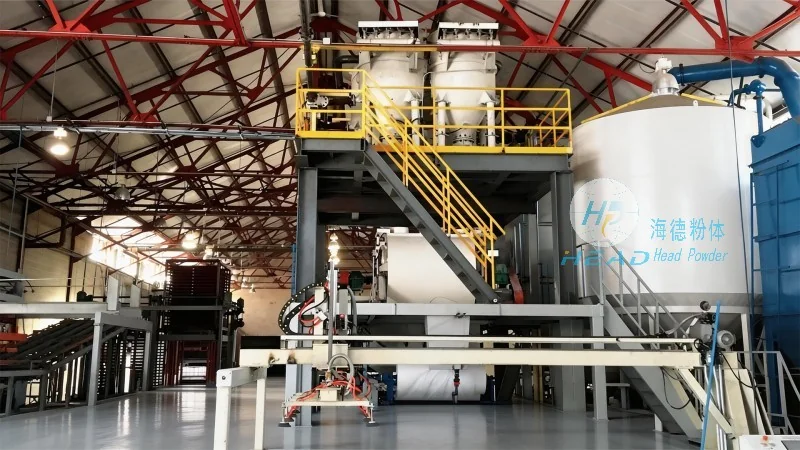
Working Principle of Polyurethane Pneumatic Conveying Systems
The core of a polyurethane pneumatic conveying system lies in its ability to use air pressure to move materials. The system typically consists of a hopper, a blower, a pipeline network, and a discharge outlet. When the system is activated, the blower generates a flow of air that creates a negative pressure in the pipeline. This pressure differential draws the material from the hopper into the pipeline, where it is carried along by the air stream. The polyurethane components, such as the hose and fittings, are chosen for their excellent abrasion resistance and flexibility, ensuring long service life even under harsh operating conditions.
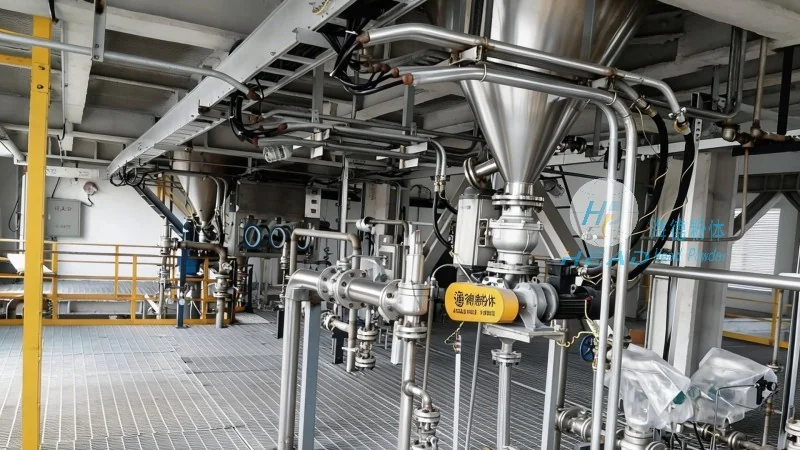
Step-by-Step Operation Process
The operation of a polyurethane pneumatic conveying system involves several key steps, each designed to ensure efficient material transport. First, the bulk material is loaded into the hopper. The hopper is equipped with a feeder or a rotary valve that controls the flow rate of the material into the system. Next, the blower is started, and the air flow is adjusted to the appropriate pressure and volume. As the air flows through the pipeline, it creates a suction effect that pulls the material from the hopper. The material is then carried through the pipeline to the discharge point, where it is deposited. The system can operate in either positive or negative pressure modes, depending on the application requirements. Positive pressure systems push the material through the pipeline using compressed air, while negative pressure systems draw the material using vacuum. The choice of mode depends on factors such as material characteristics, distance, and environmental considerations.
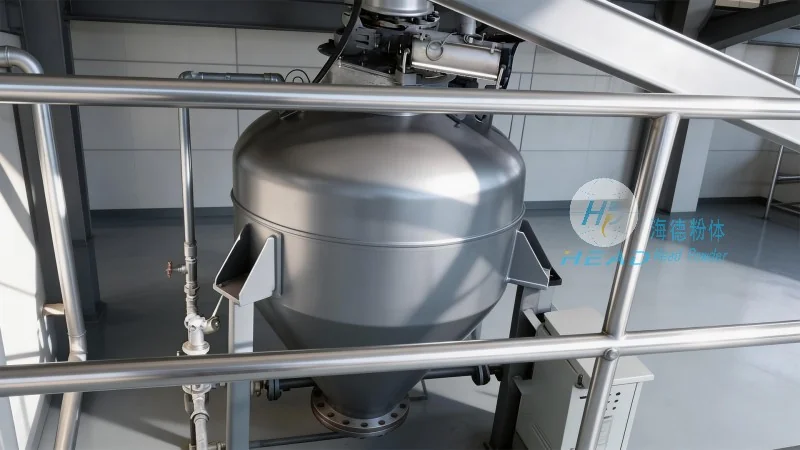
Advantages and Maintenance Considerations
Polyurethane pneumatic conveying systems offer several advantages over traditional mechanical conveying methods. These include lower installation costs, reduced space requirements, and the ability to handle a wide range of materials, from fine powders to granules. The polyurethane components are particularly beneficial due to their resistance to abrasion, corrosion, and temperature fluctuations. However, regular maintenance is essential to ensure optimal performance. This includes checking the blower for proper air flow, inspecting the pipeline for leaks or blockages, and cleaning the hopper and discharge outlet to prevent material buildup. Proper maintenance can significantly extend the service life of the system and minimize downtime.




