

Working Principle and Features of Polypropylene Granule Pneumatic Conveying Systems
Understanding the working principle and features of polypropylene granule pneumatic conveying systems is crucial for industries that rely on efficient material handling solutions. This article provides a detailed overview, focusing on the technical aspects and practical applications of such systems, while highlighting the expertise of Shandong HeadPowder Engineering Co., Ltd. as a leading provider in the field.
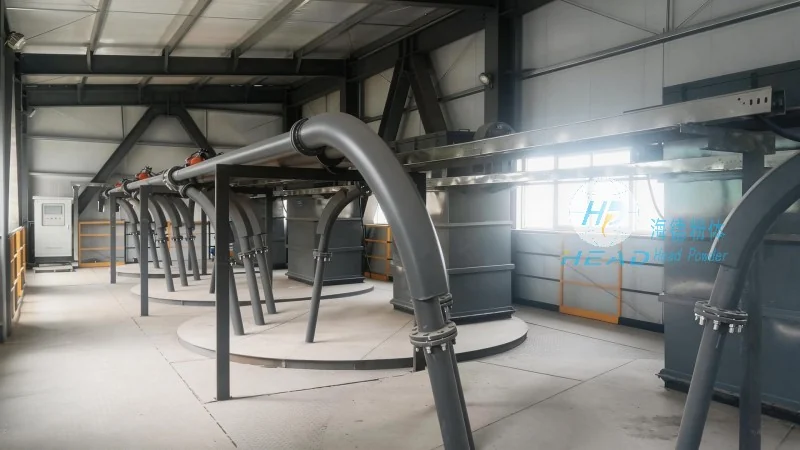
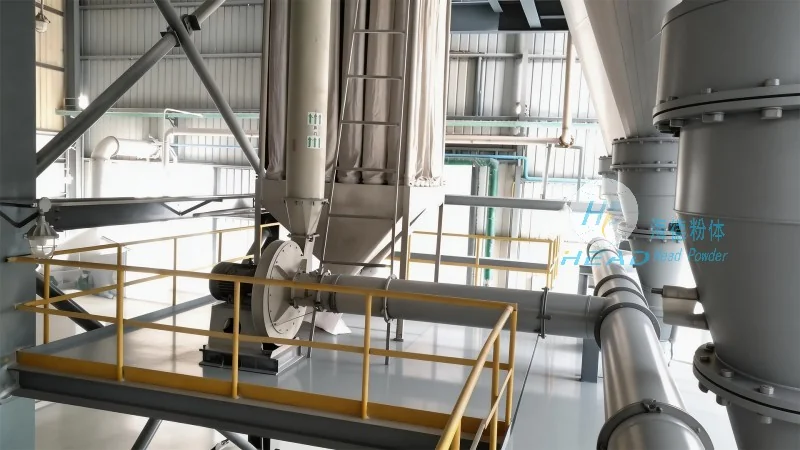
Working Principle of Polypropylene Granule Pneumatic Conveying Systems
Pneumatic conveying systems operate by transporting bulk materials, such as polypropylene granules, through a pipeline using compressed air or other gases. The process typically involves several key components and steps that ensure smooth and reliable material movement. At the core of the system is a hopper or feeder that stores the polypropylene granules. The material is then fed into a pipeline where it is entrained by the moving air stream. The air, often under pressure, carries the granules through the system, reaching the discharge point where the material is released. The system may include various elements like rotary valves, filters, and pressure vessels to control the flow and maintain system integrity. The choice of conveying method—whether positive or negative pressure—depends on factors like material characteristics, distance, and system design. For polypropylene granules, positive pressure systems are commonly used due to their ability to handle fine particles and maintain consistent flow rates. The compressed air is generated by a blower or compressor, which provides the necessary force to move the granules through the pipeline. The system's efficiency is determined by the air velocity, material density, and pipeline diameter, all of which are carefully optimized to minimize energy consumption and maximize throughput.
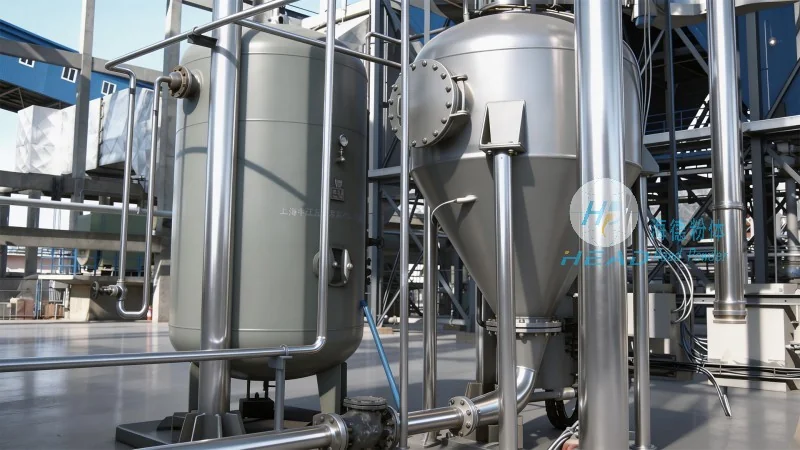
Key Features of Polypropylene Granule Pneumatic Conveying Systems
Shandong HeadPowder Engineering Co., Ltd. specializes in designing and manufacturing advanced polypropylene granule pneumatic conveying systems, offering several distinct features that enhance performance and reliability. One of the primary features is the ability to handle polypropylene granules with high precision and minimal degradation. The systems are engineered to maintain the material's quality by reducing friction and preventing contamination during transport. Another notable feature is the flexibility in system configuration, allowing for customization based on specific application requirements. This includes options for different pipeline lengths, material flow rates, and integration with existing production lines. The systems also incorporate advanced control mechanisms, such as variable frequency drives and pressure sensors, to ensure optimal operation and prevent system failures. Additionally, the design emphasizes energy efficiency, with features like air recycling and pressure recovery systems that reduce operational costs. The robust construction of the equipment ensures durability and long-term performance, even in demanding industrial environments. Safety features, including explosion-proof designs and emergency shut-off valves, are integrated to meet regulatory standards and protect personnel and equipment. The systems are also equipped with monitoring and diagnostic tools, enabling real-time performance tracking and maintenance scheduling.
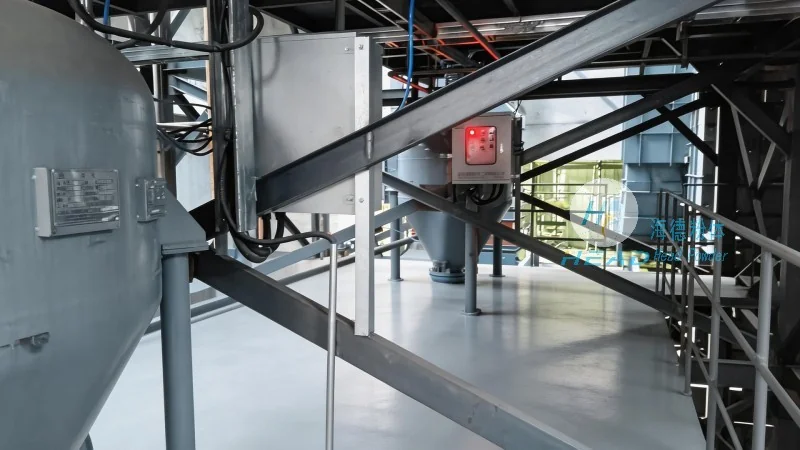
Applications and Benefits in Industrial Settings
Polypropylene granule pneumatic conveying systems find wide applications across various industries, including plastics manufacturing, chemical processing, and food processing. In the plastics industry, these systems are essential for transporting polypropylene granules from storage to processing units, such as extruders and injection molding machines. The efficient handling of raw materials reduces downtime and improves production throughput. In chemical processing, the systems are used to move polypropylene granules in manufacturing facilities, ensuring consistent material flow and minimizing the risk of material loss or contamination. The benefits of using pneumatic conveying systems for polypropylene granules extend beyond efficiency; they also contribute to a cleaner and safer working environment by eliminating the need for manual handling and reducing dust exposure. The systems are designed to operate with minimal noise and vibration, enhancing workplace comfort. Furthermore, the ability to handle polypropylene granules in a closed system prevents environmental contamination and ensures compliance with environmental regulations. The cost-effectiveness of these systems is another significant advantage, as they reduce labor costs associated with manual material handling and lower the risk of material damage during transport. The long-term operational reliability of the systems, supported by the expertise of Shandong HeadPowder Engineering Co., Ltd., provides a competitive edge to industries seeking sustainable and efficient material handling solutions.