

Working Principle and Features of Gypsum Powder Pneumatic Conveying System
HeadPowder, a leading enterprise in the field of material handling and processing, specializes in the design, manufacturing, and installation of advanced pneumatic conveying systems. Based in Shandong, China, the company has established itself as a trusted provider of efficient and reliable solutions for transporting bulk materials, including gypsum powder. This article explores the working principle and key features of a gypsum powder gray pneumatic conveying line, highlighting how such systems enhance operational efficiency and product quality in industrial applications.
Introduction to Gypsum Powder Pneumatic Conveying Systems
Gypsum powder, a widely used industrial material in construction, plastering, and manufacturing processes, often requires efficient and dust-free transportation. Pneumatic conveying systems offer a solution by utilizing air pressure to move bulk materials through pipelines, eliminating the need for traditional mechanical conveyors that may cause material degradation or contamination. HeadPowder's expertise lies in developing customized pneumatic conveying lines tailored to the specific needs of gypsum powder handling, ensuring optimal performance and minimal operational downtime.
The Working Principle of Gypsum Powder Pneumatic Conveying Lines
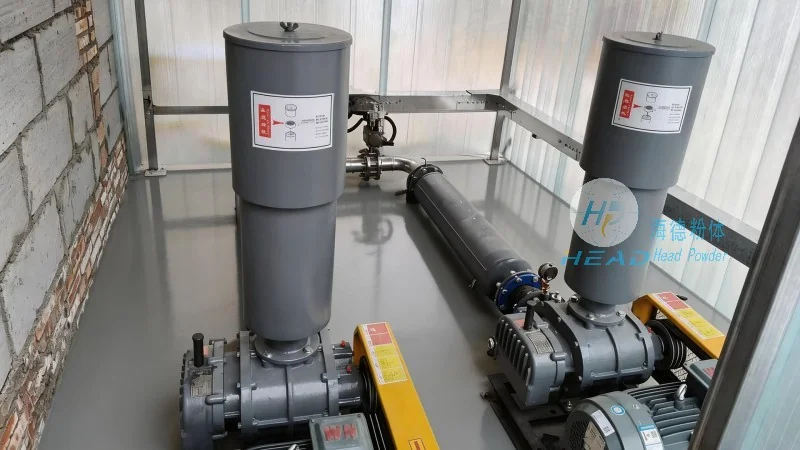
The core of a gypsum powder pneumatic conveying system is the method by which material is transported through a pipeline using air. The process typically involves several key components: a hopper for material storage, a feeder to control the flow rate, a conveying pipeline, and a receiver for the discharged material. The system operates by creating a pressure differential between the inlet and outlet of the pipeline. When the feeder releases gypsum powder into the pipeline, a fan or blower generates a flow of air that carries the powder particles forward. The air velocity is carefully controlled to ensure that the powder remains suspended and moves smoothly without clogging or settling. The pressure and flow rate are adjusted based on the material's characteristics, such as particle size, density, and moisture content, to maintain consistent conveying performance.
Key Features of Gypsum Powder Pneumatic Conveying Systems
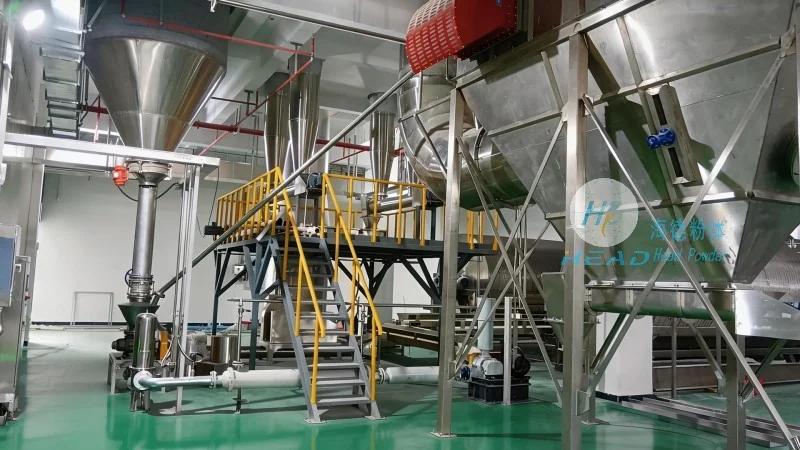
HeadPowder's gypsum powder pneumatic conveying lines are designed with several distinctive features that set them apart in the industry. First, the systems are equipped with advanced control mechanisms that allow for precise regulation of air pressure and material flow. This ensures that the conveying process is optimized for different operating conditions, reducing energy consumption and minimizing material loss. Second, the use of high-quality materials in the construction of pipelines and components ensures durability and resistance to corrosion, which is crucial for handling gypsum powder that may be abrasive or moisture-sensitive. Third, the systems are designed to be compact and space-efficient, making them suitable for installations in limited areas while maintaining high conveying capacity. Additionally, the integration of dust collection and filtration systems helps maintain a clean and safe working environment, complying with environmental regulations and improving overall workplace safety.
Benefits of Implementing Gypsum Powder Pneumatic Conveying Systems
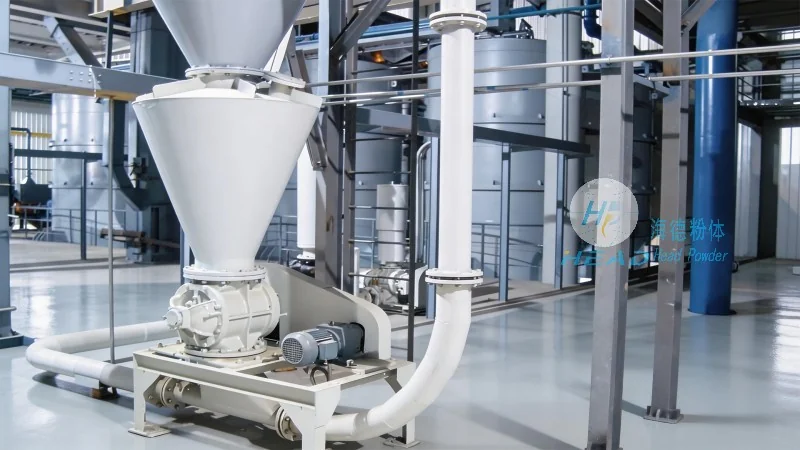
Adopting a pneumatic conveying system for gypsum powder offers numerous benefits for industrial operations. One of the primary advantages is the significant reduction in dust generation compared to traditional methods, which not only improves air quality but also enhances worker safety by minimizing respiratory hazards. The enclosed system prevents material contamination, ensuring that the gypsum powder remains free from impurities that could affect its quality or performance in downstream processes. Another key benefit is the increased efficiency in material handling, as pneumatic conveyors can transport large volumes of gypsum powder quickly and reliably, reducing the time and labor required for manual handling. Furthermore, the systems are designed for easy maintenance and repair, with modular components that can be replaced or serviced without disrupting the entire operation. This leads to lower long-term operational costs and higher overall productivity.
Customization and Application in Industrial Settings
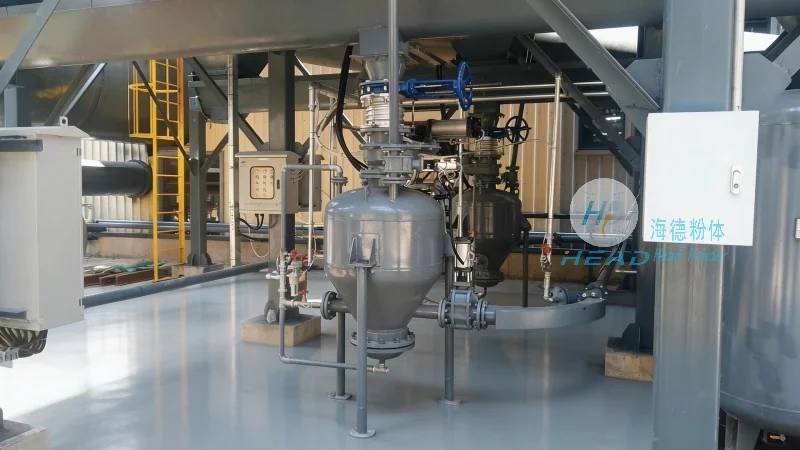
HeadPowder understands that each industrial application has unique requirements, and therefore, offers customized pneumatic conveying solutions for gypsum powder handling. The company works closely with clients to assess their specific needs, such as the scale of production, the distance of material transport, and the desired conveying capacity. Based on this assessment, HeadPowder designs and manufactures a system that meets all technical specifications while adhering to industry standards and safety regulations. The systems are suitable for a wide range of applications, including the transportation of gypsum powder from storage silos to production lines, from processing facilities to packaging areas, and even for cross-plant material transfer. The flexibility of pneumatic conveying allows for seamless integration into existing industrial setups, minimizing the need for major structural changes or modifications.
Conclusion and Company Commitment
Gypsum powder pneumatic conveying systems, as exemplified by HeadPowder's solutions, represent a modern and efficient approach to material handling in the industrial sector. By leveraging the principles of air pressure and advanced engineering, these systems provide reliable, dust-free, and cost-effective transportation of gypsum powder. HeadPowder, with its headquarters in Shandong, China, continues to innovate and improve its pneumatic conveying technologies to meet the evolving needs of its clients. The company's commitment to quality, customer satisfaction, and environmental responsibility ensures that its products remain at the forefront of the industry, delivering superior performance and long-term value to businesses worldwide.