Coal ash, a byproduct of coal combustion in thermal power plants, requires efficient and reliable handling for storage, transport, and disposal. The coal ash particle pneumatic conveying system is a critical piece of equipment designed to handle these fine particles with precision and minimal loss. This system, manufactured by Shandong HeadPowder Engineering Co., Ltd., a leading provider in the field, utilizes advanced pneumatic technology to ensure safe and effective material transport. The following sections will detail the operational process and working principles of this system, highlighting its key components and how they contribute to overall performance.
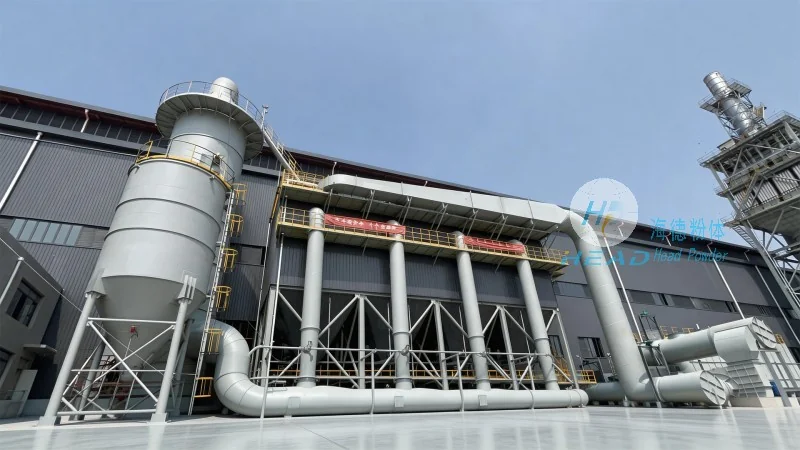
Key Components of the Pneumatic Conveying System
The coal ash particle pneumatic conveying system consists of several essential components that work in tandem to achieve efficient material transport. These include the hopper for material storage, the air compressor or blower that generates the conveying air, the pipeline network that transports the material, and the control system that regulates the operation. Each component plays a vital role in maintaining the system's efficiency and reliability. The hopper is designed to hold a sufficient quantity of coal ash, ensuring a steady feed to the system. The air compressor provides the necessary pressure and airflow to move the particles through the pipeline. The pipeline network, typically made of durable materials like stainless steel or PVC, is engineered to withstand the abrasive nature of coal ash and the pressure of the conveying air. The control system, often equipped with sensors and automation, monitors the system's performance and adjusts parameters as needed to optimize operation.
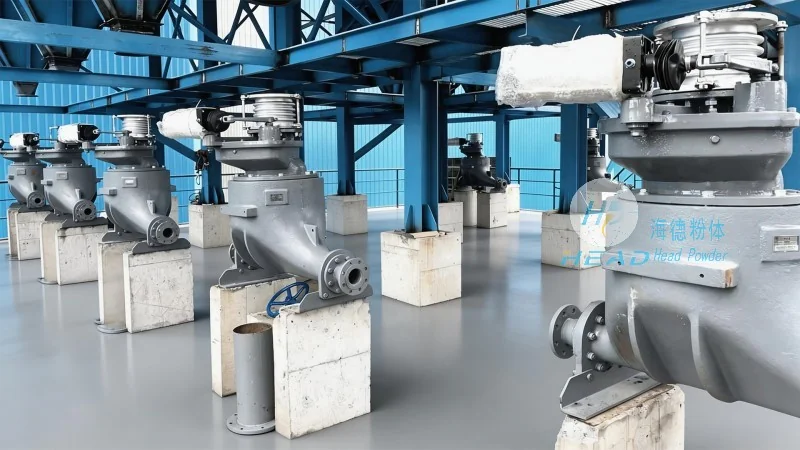
Operational Process of the Pneumatic Conveying System
The operation of the coal ash particle pneumatic conveying system follows a systematic process that ensures smooth and continuous material transport. The process begins with the loading of coal ash into the hopper. As the material is fed into the system, the air compressor starts, generating a flow of air that creates a negative pressure in the pipeline. This negative pressure draws the coal ash particles into the pipeline, where they are carried by the air current. The material travels through the pipeline network, which may include bends, valves, and other fittings, to the destination point, such as a storage silo or disposal site. The control system continuously monitors the pressure and flow rates, adjusting the air compressor's output to maintain optimal conditions. The system's design allows for flexible operation, enabling it to handle varying loads and distances efficiently. The entire process is automated, reducing the need for manual intervention and minimizing the risk of material spillage or loss.
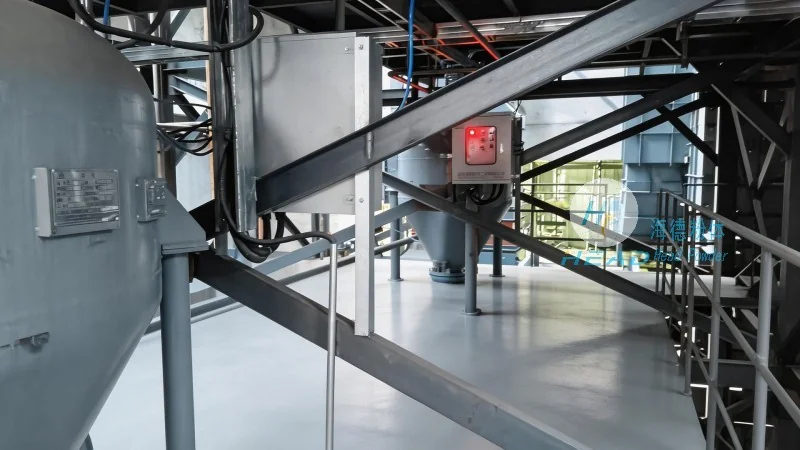
Working Principle of the Pneumatic Conveying System
The working principle of the coal ash particle pneumatic conveying system is based on the principles of fluid dynamics and particle transport. The system operates by creating a flow of air that moves the coal ash particles through the pipeline. This is achieved by using a positive or negative pressure system, depending on the specific application. In a positive pressure system, the air compressor pushes air through the pipeline, carrying the particles forward. In a negative pressure system, the air is drawn from the pipeline, creating a vacuum that pulls the particles into the system. The velocity of the air is a critical factor, as it must be sufficient to lift and transport the particles without causing excessive wear on the equipment. The system's design ensures that the air velocity remains within optimal ranges, preventing particle deposition and maintaining consistent flow. The use of appropriate air volumes and pressures is essential to achieve efficient transport while minimizing energy consumption. The control system plays a crucial role in maintaining the air velocity and pressure, ensuring that the particles are transported smoothly and without blockages.
Advantages of the Coal Ash Particle Pneumatic Conveying System
The coal ash particle pneumatic conveying system offers several advantages over traditional handling methods, such as belt conveyors or manual handling. One of the primary advantages is its ability to handle fine particles without causing segregation or loss. The system's design prevents the agglomeration of particles, ensuring that each particle is transported individually. This is particularly important for coal ash, which can be abrasive and prone to clumping. Another advantage is the system's flexibility in terms of layout and distance. The pipeline network can be configured to accommodate various site layouts, allowing for long-distance transport without the need for multiple transfer points. The system also reduces labor costs and improves safety by minimizing manual handling of coal ash. Additionally, the system's automation capabilities enhance operational efficiency and reduce the risk of human error. The durability of the components, such as the pipeline and air compressor, ensures long-term reliability and low maintenance costs.
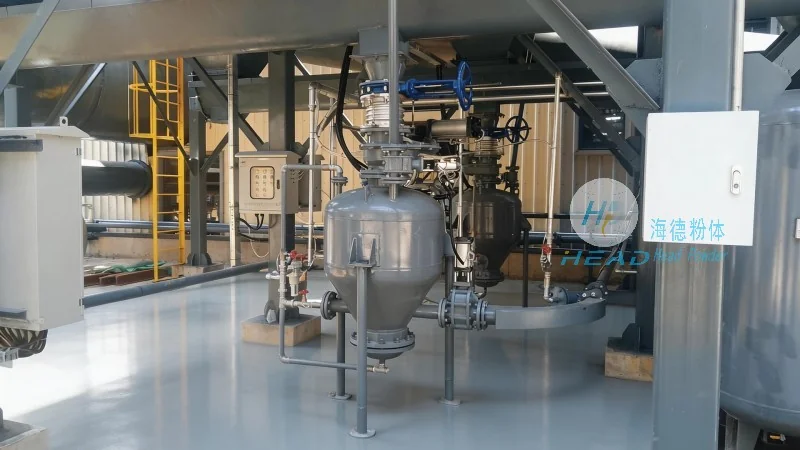
Applications of the Pneumatic Conveying System
The coal ash particle pneumatic conveying system is widely used in various industrial applications, particularly in thermal power plants and waste management facilities. It is commonly employed for the transport of coal ash from the boiler to storage silos or disposal sites. The system can also be used in other industries that handle fine particles, such as cement production, where the transport of raw materials is essential. The system's ability to handle varying loads and distances makes it suitable for both small-scale and large-scale operations. In thermal power plants, the system is often integrated with the boiler's ash handling system, providing a seamless and efficient transport process. The system's flexibility allows it to be adapted to different site conditions, ensuring that it meets the specific needs of each application. The system's reliability and efficiency make it a preferred choice for industries that require consistent and safe material transport.




