Shandong HeadPowder Engineering Co., Ltd., based in Shandong, China, specializes in the design, manufacturing, and installation of advanced sulfur pneumatic conveying systems. These systems are crucial for the efficient and safe transportation of sulfur, a key industrial material used in various applications such as fertilizer production, chemical manufacturing, and energy generation. The operation of sulfur pneumatic conveying systems involves a series of integrated components that work together to ensure reliable material handling, minimizing downtime and operational risks.
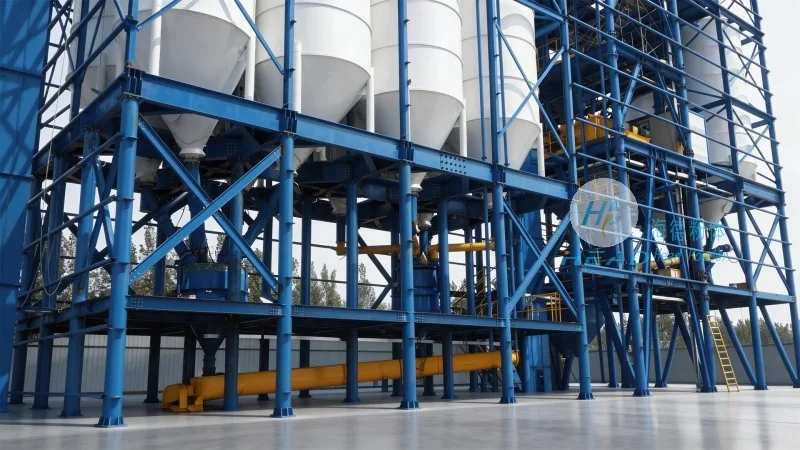
Key Components of the Sulfur Pneumatic Conveying System
The sulfur pneumatic conveying system typically consists of several core components, each playing a vital role in the overall process. The primary components include a hopper for material storage, a rotary valve or feeder to control the flow of sulfur, a conveying pipeline, a fan or blower to generate the necessary air pressure, and a receiver or discharge unit for material delivery. Additionally, the system may incorporate accessories like filters, silencers, and pressure vessels to enhance performance and safety. Each component is engineered to handle the specific characteristics of sulfur, such as its density, flowability, and potential dust generation, ensuring optimal operation under various industrial conditions.
Working Principle of the Sulfur Pneumatic Conveying Process
The working principle of the sulfur pneumatic conveying system is based on the use of air to transport solid materials through a pipeline. The process begins with the sulfur being fed from the storage hopper into the conveying line via a rotary valve. The fan or blower then generates a high-pressure air stream that pulls the sulfur particles into the pipeline, creating a dense phase or dilute phase flow depending on the system design. In dense phase conveying, the air velocity is lower, allowing the sulfur to move in a more controlled manner, reducing the risk of material degradation or blockages. Dilute phase conveying, on the other hand, uses higher air velocities to transport the material over longer distances with less pressure drop. The system's control system monitors parameters like pressure, flow rate, and temperature to maintain stable operation and prevent system failures.
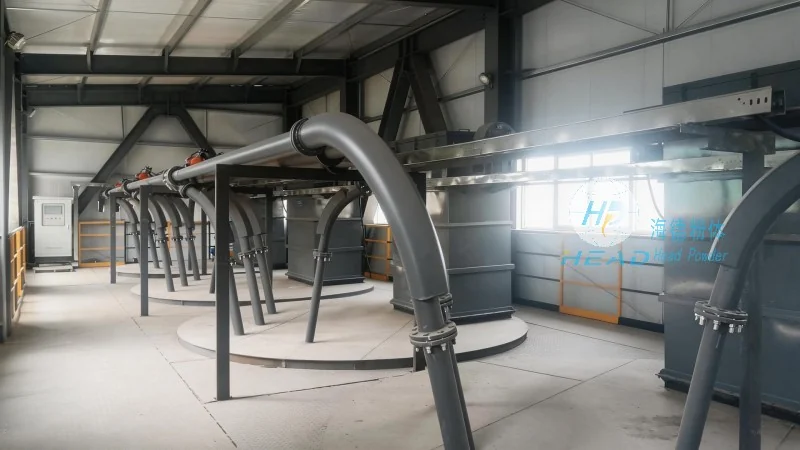
Operation Process of the Sulfur Pneumatic Conveying System
The operation process of the sulfur pneumatic conveying system involves several sequential steps to ensure efficient material handling. First, the system is initiated by opening the rotary valve, which allows sulfur from the hopper to enter the conveying line. The fan or blower then starts, generating the required air pressure to transport the material. As the sulfur is conveyed, the system's sensors continuously monitor the pressure and flow rates, adjusting the air supply as needed to maintain consistent performance. The material is then discharged into the receiver or discharge unit at the end of the pipeline. The system may also include a filter to capture any dust or particles that could be released during the conveying process, ensuring compliance with environmental regulations and maintaining air quality. Throughout the operation, the control panel provides real-time data and alerts for any deviations from normal operation, allowing operators to take corrective actions promptly.
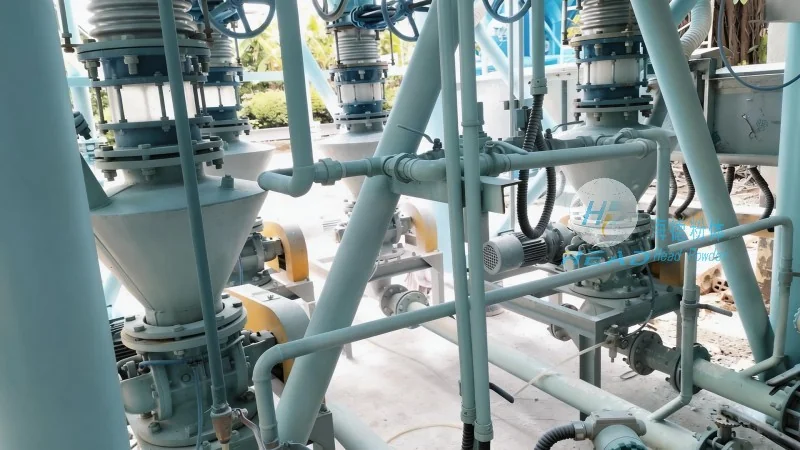
Advantages of Using Sulfur Pneumatic Conveying Systems
Implementing a sulfur pneumatic conveying system offers several advantages over traditional material handling methods. One of the key benefits is the ability to transport sulfur over long distances with minimal manual intervention, reducing labor costs and improving operational efficiency. The system also provides a closed-loop operation, which helps in controlling dust emissions and maintaining a safe working environment. Additionally, pneumatic conveying systems are less prone to material blockages and can handle a wide range of sulfur qualities, including different grades and moisture levels. The flexibility of the system allows for easy integration with existing industrial processes, and the modular design enables scalability to accommodate future production needs. Overall, the sulfur pneumatic conveying system enhances productivity, reduces maintenance costs, and ensures compliance with environmental standards, making it a preferred choice for industrial applications.
Maintenance and Safety Considerations for Sulfur Pneumatic Conveying Systems
Maintaining the sulfur pneumatic conveying system is essential to ensure its long-term reliability and performance. Regular maintenance tasks include inspecting and cleaning the hopper and conveying line to prevent material buildup, checking the fan and blower for wear and tear, and replacing filters as needed. The system's control components, such as sensors and valves, should be calibrated periodically to maintain accurate readings and prevent malfunctions. Safety is a critical aspect of operating sulfur pneumatic conveying systems, as sulfur dust can be hazardous if inhaled. Proper ventilation and dust collection systems are required to minimize exposure risks. Additionally, the system should be equipped with emergency shut-off valves and pressure relief devices to prevent over-pressurization and potential accidents. Training operators on the safe operation of the system and conducting regular safety audits are also important measures to ensure compliance with safety regulations and protect personnel.




