HeadPowder, a leading engineering company based in Shandong, China, specializes in the design, manufacturing, and installation of industrial material handling systems. With a strong focus on efficiency and reliability, the company provides comprehensive solutions for transporting alkali materials in various industrial applications.
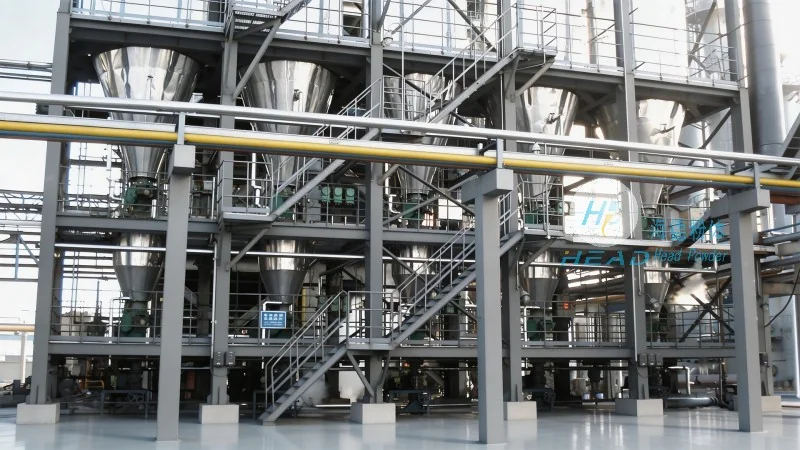
Operation Process of Industrial Alkali Material Handling Systems
The operation of industrial alkali material handling systems typically involves several key stages, each designed to ensure safe and efficient material transport. The process begins with the loading of alkali materials into the system's storage or feeding equipment. This initial step is crucial as it sets the foundation for the entire material flow. Once loaded, the materials are transferred to the primary conveying equipment, such as belt conveyors, screw conveyors, or pneumatic systems, depending on the specific characteristics of the alkali material and the application requirements.
During the conveying phase, the system ensures continuous and controlled movement of the materials. This is achieved through the use of motor-driven mechanisms that maintain consistent speed and pressure. For example, belt conveyors use rollers and tension systems to move the material along the designated path, while screw conveyors utilize rotating screws to push the material forward. Pneumatic systems, on the other hand, employ compressed air to transport the materials through pipes, which is particularly effective for handling fine or dusty alkali powders.
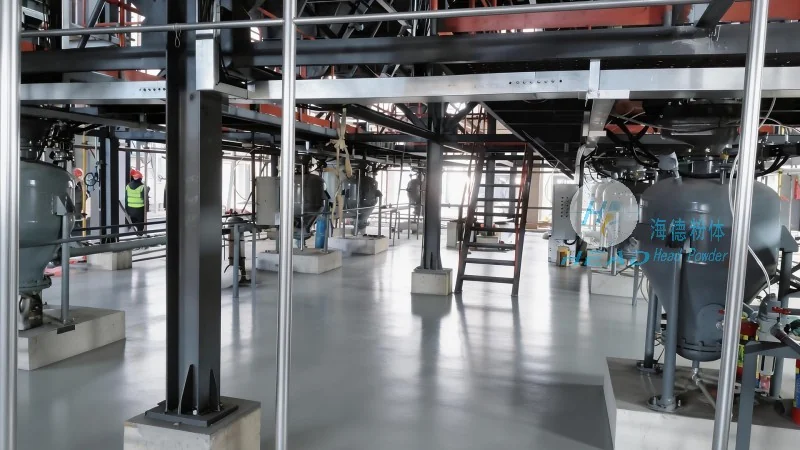
After the primary conveying stage, the materials may undergo intermediate processing or sorting. This could include screening, mixing, or packaging operations, depending on the downstream requirements. The system is designed to integrate seamlessly with these processes, ensuring minimal downtime and maximum productivity. Once the materials reach the final destination, such as a storage silo, processing unit, or packaging line, the system completes its operation cycle.
Working Principle of Industrial Alkali Material Handling Systems
The working principle of industrial alkali material handling systems is based on the application of mechanical, pneumatic, or hydraulic forces to move the materials from the source to the destination. The core components of these systems include feeders, conveyors, control systems, and safety devices. Feeders are responsible for regulating the flow rate of the alkali materials into the system, preventing overloading or underloading that could affect the system's performance.
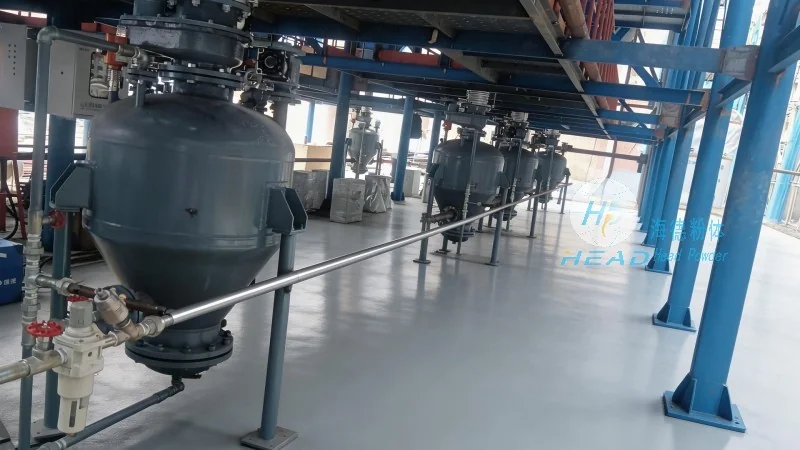
Conveyors are the primary components that facilitate the movement of the materials. Belt conveyors use a continuous belt looped over rollers to transport the materials, with the belt's speed and tension controlled by motor-driven pulleys. Screw conveyors, also known as auger conveyors, use a rotating screw to push the material forward, which is ideal for handling bulk materials that are free-flowing or semi-solid. Pneumatic conveyors utilize compressed air to create a pressure differential that moves the materials through pipes, making them suitable for fine powders that are prone to dusting or caking.
Control systems play a critical role in managing the operation of the alkali material handling systems. These systems use sensors, such as level detectors, flow meters, and pressure gauges, to monitor the material levels and flow rates in real-time. The data collected by these sensors is processed by a control unit, which adjusts the motor speeds, conveyor speeds, or air pressure to maintain optimal operation. Safety devices, such as emergency stop buttons, overload protection, and dust suppression systems, are integrated into the design to ensure the safety of operators and the integrity of the materials.
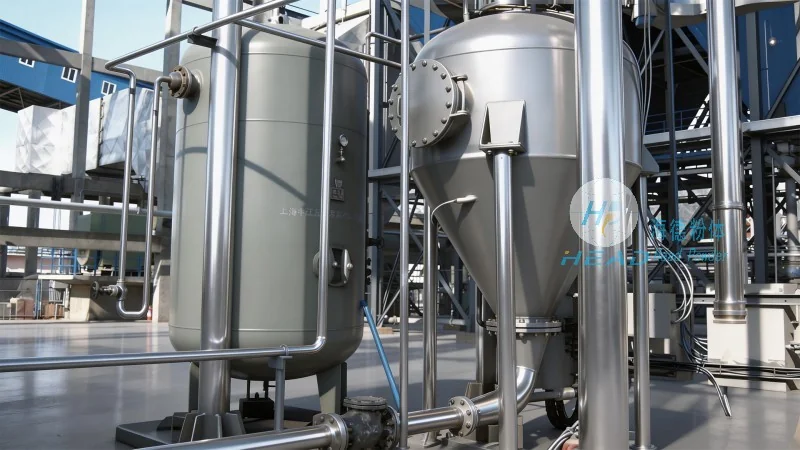
Key Advantages of Industrial Alkali Material Handling Systems
Industrial alkali material handling systems offer several advantages that make them essential in various industrial sectors. Firstly, they provide high efficiency and reliability, ensuring consistent material flow and minimal downtime. The use of automated control systems allows for precise regulation of the material transport process, reducing human error and improving overall productivity. Secondly, these systems are designed for durability and long-term performance, with components made from corrosion-resistant materials to withstand the harsh conditions associated with alkali materials. This durability reduces maintenance costs and extends the system's lifespan.
Thirdly, the systems are highly adaptable to different applications and material characteristics. Whether handling solid, liquid, or gaseous alkali materials, the system can be customized to meet specific requirements. For example, the choice of conveyor type (belt, screw, or pneumatic) can be adjusted based on the material's density, moisture content, and flowability. Additionally, the system can be integrated with other processing equipment, such as mixers, grinders, or packaging machines, to form a comprehensive material handling solution.




