Oat material handling equipment plays a crucial role in the agricultural and food processing industries, particularly in the efficient transport and management of oat grains from harvesting to processing stages. The proper operation of such equipment ensures optimal performance, minimal material loss, and adherence to quality standards. This article delves into the detailed operation process and working principles of oat material handling equipment, highlighting key components, operational steps, and the technological advancements that enhance its functionality.
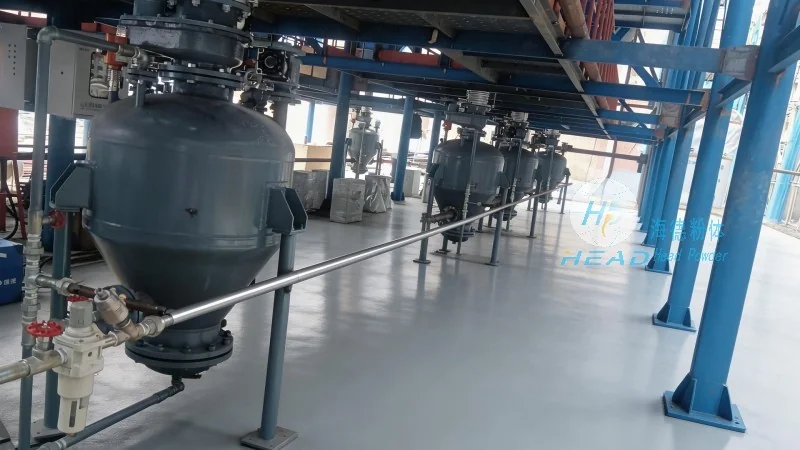
About HeadPowder Engineering Co., Ltd.
HeadPowder, a leading manufacturer in the field of material handling solutions, specializes in designing and manufacturing high-quality equipment tailored to the specific needs of the agricultural sector. With a strong commitment to innovation and customer satisfaction, HeadPowder has established itself as a trusted partner for businesses involved in oat processing and related industries. The company is headquartered in Shandong, China, and leverages years of expertise to deliver reliable and efficient solutions for material handling challenges.
Operation Process of Oat Material Handling Equipment
The operation of oat material handling equipment typically involves several sequential steps that ensure the smooth and efficient movement of oat grains. The process begins with the intake of raw oat material, which is often collected from fields or storage facilities. The equipment then processes the material through various stages, including cleaning, sorting, and conveying, to prepare it for further processing or storage. Each step is carefully designed to minimize damage to the oat grains while maximizing throughput and efficiency.
During the intake phase, the equipment uses specialized mechanisms such as hoppers or feeders to collect the oat material. These components are engineered to handle the bulk density and moisture content of oat grains, ensuring consistent and reliable feeding. The material is then transferred to a cleaning system, which removes impurities like dust, stones, and other foreign objects. This step is critical for maintaining the quality of the final product and preventing equipment damage.
After cleaning, the oat material proceeds to a sorting stage. Sorting mechanisms, such as sieves or air classifiers, separate the grains based on size, shape, or density. This allows for the removal of damaged or unripe oats, ensuring that only high-quality grains are further processed. The sorted material is then conveyed to a storage or processing unit, where it is prepared for packaging or further industrial applications.
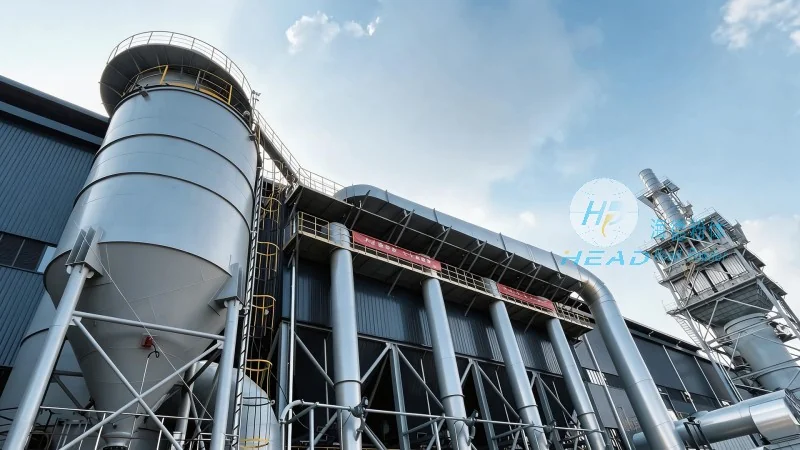
Working Principle of Oat Material Handling Equipment
The working principle of oat material handling equipment is based on mechanical and pneumatic systems that work in tandem to transport and process oat grains. The core components include feeders, conveyors, cleaning units, and sorting mechanisms, each contributing to the overall efficiency of the system. The equipment operates by using gravity, air flow, or mechanical force to move the material through the processing line.
Feeding mechanisms, such as rotary feeders or vibratory hoppers, control the flow rate of the oat material into the system. These components ensure a consistent and controlled intake, preventing overloading or underloading of the equipment. The material is then transferred to a conveyor system, which may include belt conveyors, screw conveyors, or pneumatic conveyors, depending on the specific design and application.
Cleaning units, often equipped with air classifiers or magnetic separators, remove impurities from the oat material. Air classifiers use air flow to separate lighter impurities from the heavier oat grains, while magnetic separators remove metal contaminants. These systems are designed to be efficient and low-maintenance, ensuring continuous operation with minimal downtime.
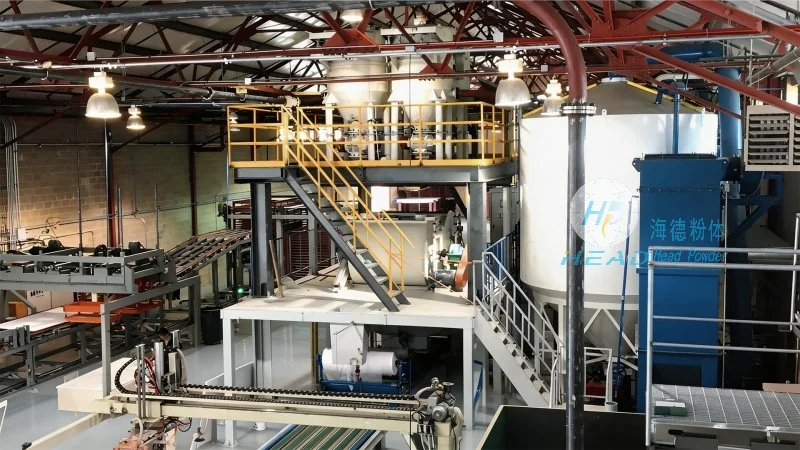
Sorting mechanisms, such as sieves or optical sorters, further refine the quality of the oat material. Sieves separate grains based on size, allowing for the removal of oversized or undersized oats. Optical sorters use sensors to detect and remove damaged or discolored grains, ensuring that only the highest quality product reaches the final stage. The sorted material is then conveyed to a storage or processing unit, where it is prepared for packaging or further industrial use.
Advantages of Oat Material Handling Equipment
Oat material handling equipment offers several advantages that make it indispensable in the agricultural and food processing industries. These include high efficiency, minimal material loss, and improved product quality. The equipment is designed to handle large volumes of oat material, ensuring that processing operations run smoothly and without interruptions. Additionally, the advanced cleaning and sorting systems help maintain the purity of the oat grains, which is crucial for meeting market standards and consumer expectations.
Another key advantage is the durability and reliability of the equipment. HeadPowder's oat material handling equipment is built with high-quality materials and robust construction, ensuring long-term performance and minimal maintenance costs. The company's commitment to using advanced technology and innovative designs has resulted in equipment that is both efficient and cost-effective, making it an attractive investment for businesses in the oat processing sector.
Conclusion
In conclusion, oat material handling equipment is a vital component in the efficient processing of oat grains. The operation process and working principles of such equipment are designed to maximize throughput, minimize loss, and maintain product quality. With the expertise and innovation of companies like HeadPowder Engineering Co., Ltd., oat material handling equipment continues to evolve, providing reliable and efficient solutions for the agricultural and food processing industries. By understanding the detailed operation and working principles of these systems, businesses can optimize their processing operations and achieve better results.




