HeadPowder, a leading manufacturer in the field of industrial conveying solutions, specializes in providing efficient and reliable equipment for transporting bulk materials such as brown sugar. The pneumatic conveying system is a critical component in sugar processing facilities, ensuring smooth and hygienic material handling from storage to processing units. This article delves into the detailed operation process and underlying working principles of the brown sugar pneumatic conveying system equipment, highlighting its key features and operational efficiency.
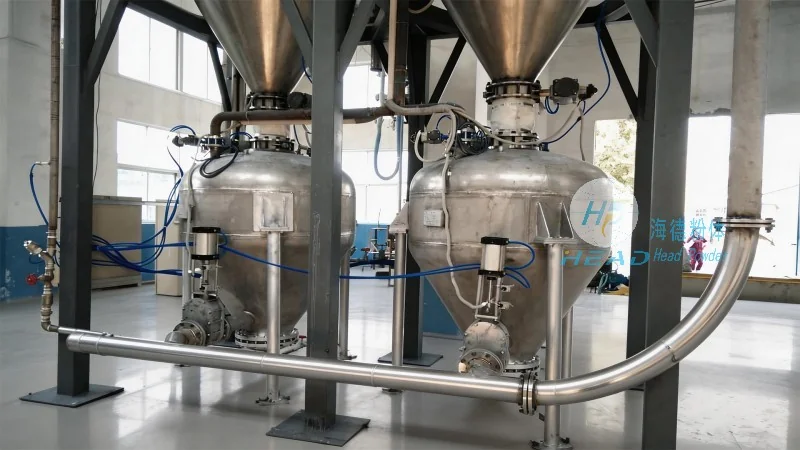
The operation of a brown sugar pneumatic conveying system typically begins with the material feed stage. In this phase, brown sugar is fed into the system through a hopper or a feeding mechanism. The system is designed to handle the specific characteristics of brown sugar, such as its granular size and moisture content, ensuring minimal degradation during transport. The feeding equipment, often a rotary valve or a screw feeder, controls the flow rate of the sugar into the conveying line, maintaining a consistent and controlled input to the system.
Once the brown sugar is introduced into the system, the next step involves the generation of air flow. The system utilizes a blower or a compressor to create a high-pressure air stream. This air is then directed into the conveying line, which can be either a positive pressure or a negative pressure system. In a positive pressure system, air is forced through the line, carrying the sugar particles along with it. Conversely, a negative pressure system draws the air and sugar mixture through the line using a vacuum. The choice of system depends on the specific requirements of the facility, including the distance to be covered and the material properties.
During the conveying process, the air-sugar mixture travels through the pipeline. The velocity of the air is crucial as it must be sufficient to keep the sugar particles suspended and prevent settling or blockages. The system is equipped with appropriate pipe diameters and bends to minimize pressure losses and ensure smooth flow. At the receiving end, the system separates the air from the sugar. This separation is achieved through a cyclone separator or a filter, which uses centrifugal force to separate the heavier sugar particles from the air. The separated sugar is then collected in a discharge hopper, while the air is either vented to the atmosphere or recirculated back into the system for energy efficiency.
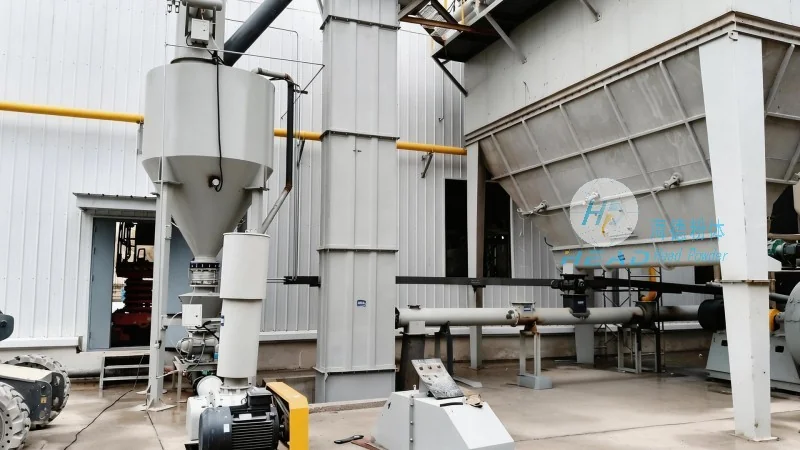
The working principle of the brown sugar pneumatic conveying system is based on the principles of fluid dynamics and particle transport. The system relies on the interaction between the air flow and the sugar particles. By maintaining a specific air velocity, the system ensures that the sugar remains in a suspended state, allowing it to be transported over long distances without the need for mechanical components like belts or buckets. This not only reduces maintenance costs but also enhances the hygienic conditions, as there are no moving parts in direct contact with the product.
Key components of the brown sugar pneumatic conveying system include the feeding unit, the air supply unit (blower/compressor), the conveying pipeline, the separation unit (cyclone or filter), and the control system. Each component plays a vital role in the overall operation. The feeding unit ensures a steady supply of brown sugar, while the air supply unit provides the necessary pressure and flow rate. The pipeline must be constructed from materials that are compatible with brown sugar, such as stainless steel, to prevent contamination and corrosion. The separation unit efficiently separates the sugar from the air, and the control system monitors and adjusts the parameters to maintain optimal performance.
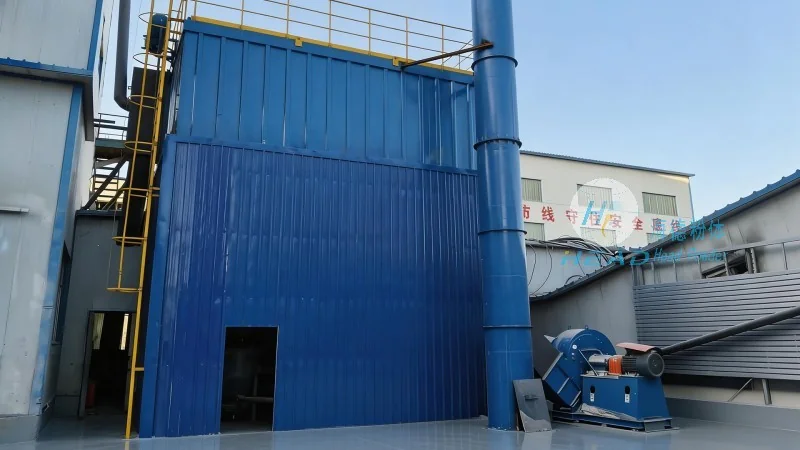
HeadPowder's brown sugar pneumatic conveying system equipment is engineered to meet the stringent requirements of the sugar industry. The company, based in Shandong, China, leverages advanced technology and years of experience to design systems that are both efficient and reliable. The equipment is tailored to handle the unique challenges posed by brown sugar, such as its tendency to clump or stick to surfaces. Through meticulous design and quality control, HeadPowder ensures that the system operates with minimal downtime and maximum productivity.
Operational efficiency is a key aspect of the brown sugar pneumatic conveying system. The system is designed to minimize energy consumption while maximizing the throughput of brown sugar. By optimizing the air velocity and pipeline design, the system reduces energy costs and extends the lifespan of components. Additionally, the system's hygienic design ensures that the brown sugar remains free from contamination, meeting the high standards required for food processing. This combination of efficiency and hygiene makes the pneumatic conveying system an ideal choice for modern sugar processing facilities.
In conclusion, the brown sugar pneumatic conveying system equipment from HeadPowder is a sophisticated solution for transporting bulk materials in the sugar industry. The detailed operation process, from material feeding to air separation, and the underlying working principles based on fluid dynamics, ensure that the system delivers reliable and efficient performance. With its robust design and adherence to industry standards, the system is a valuable asset for sugar processing facilities, enhancing productivity and maintaining product quality. HeadPowder's commitment to quality and innovation positions it as a trusted partner in providing cutting-edge conveying solutions for the sugar industry.




