When it comes to handling PVC resin in industrial applications, selecting the right conveying method is crucial for efficiency, safety, and operational reliability. Two primary approaches dominate the market: positive pressure conveying and negative pressure conveying. Understanding the distinctions between these systems is essential for making an informed decision that aligns with specific production requirements. This article explores the key differences, advantages, and considerations for both positive and negative pressure PVC resin conveying, helping industrial operators choose the most suitable solution for their processes.
Understanding Positive Pressure Conveying for PVC Resin
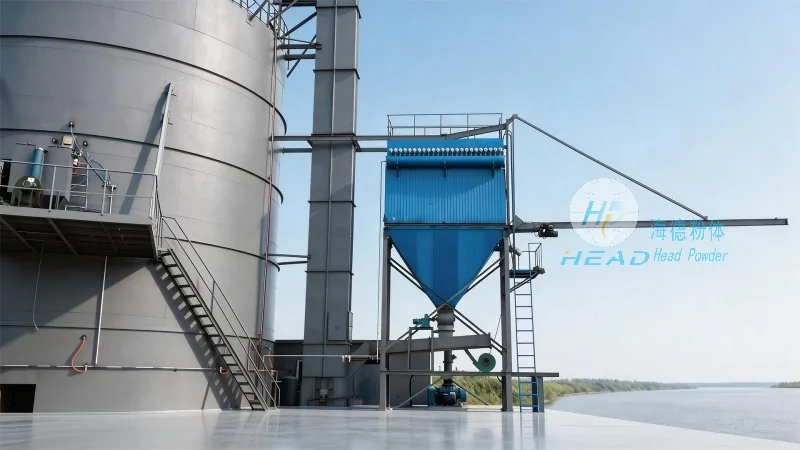
Positive pressure conveying, also known as pressure-fed conveying, involves using a positive pressure source to move PVC resin through a system. This method typically employs a blower or compressor to generate air pressure that pushes the material through a pipeline. The primary advantage of positive pressure systems is their ability to handle abrasive or high-density materials like PVC resin effectively, ensuring consistent flow rates and preventing material buildup in the conveying line. Additionally, positive pressure systems are generally more suitable for long-distance conveying and can accommodate larger volumes of material. However, they may require more maintenance due to the higher pressure and potential for wear on components like blowers and ductwork.
Key Features of Positive Pressure PVC Resin Conveying
Positive pressure conveying systems for PVC resin often include components such as rotary air locks (rotary valves), dust collectors, and material feeders. These components work together to ensure a continuous and controlled flow of resin. The use of positive pressure also helps in maintaining consistent moisture levels in the material, which is critical for PVC processing. For industrial applications where reliability and high throughput are paramount, positive pressure conveying is often the preferred choice. The robust design of these systems makes them suitable for demanding environments, including those with high ambient temperatures or abrasive materials.
Exploring Negative Pressure Conveying for PVC Resin
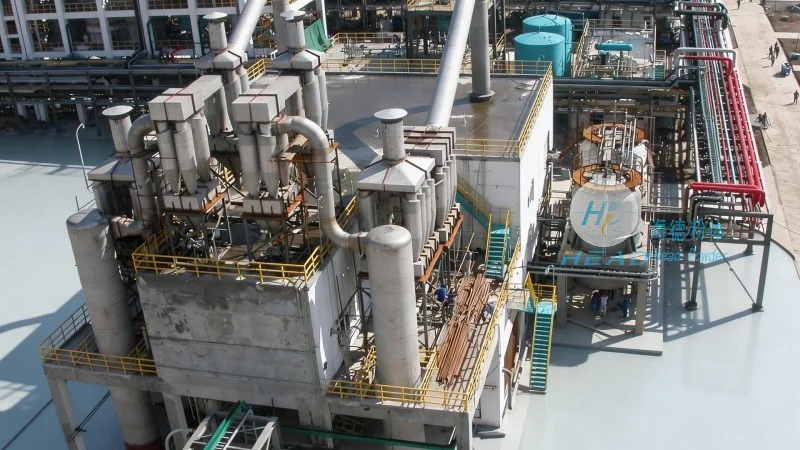
Negative pressure conveying, or vacuum-assisted conveying, operates by creating a vacuum in the conveying line to draw PVC resin from a source. This method uses a vacuum pump to pull the material through the system, often with the aid of a hopper or feeder. The main advantage of negative pressure systems is their lower energy consumption compared to positive pressure systems, as they do not require high-pressure blowers. Additionally, negative pressure conveying is generally quieter and produces less noise pollution, making it suitable for applications where noise control is a priority. However, negative pressure systems may have limitations in terms of conveying distance and material capacity, as the vacuum strength can diminish over longer distances. They are also more susceptible to clogging if the material is too fine or contains high moisture content.
Factors to Consider When Choosing Between Conveying Methods
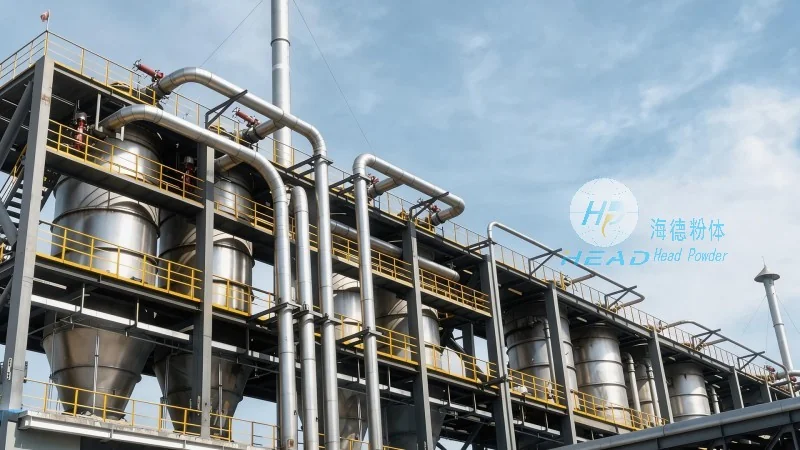
When deciding between positive and negative pressure conveying for PVC resin, several factors must be evaluated. The first consideration is the distance and layout of the conveying system. Positive pressure systems are better suited for longer distances, while negative pressure systems are more effective for shorter runs. The material characteristics, such as particle size, moisture content, and abrasiveness, also play a significant role. For example, abrasive PVC resin may require the higher pressure and robust components of a positive pressure system to prevent wear and ensure consistent flow. The available space and noise constraints in the facility are also important. If noise is a concern, negative pressure systems may be preferred, but if space is limited and high throughput is needed, positive pressure systems may be more appropriate.
HeadPowder Engineering's Expertise in PVC Resin Conveying Solutions
Shandong HeadPowder Engineering Co., Ltd., a leading provider of industrial conveying solutions, specializes in designing and manufacturing customized PVC resin conveying systems. With years of experience in the industry, HeadPowder understands the unique challenges of handling PVC resin and offers tailored solutions that meet specific operational needs. The company's engineers work closely with clients to assess their production requirements, material characteristics, and facility constraints to recommend the most suitable conveying method—whether positive or negative pressure. HeadPowder's systems are built with high-quality components, ensuring durability, efficiency, and reliability. The company's commitment to quality and customer satisfaction has made it a trusted partner for many industrial clients in China and beyond.




