Masterbatch, as a crucial additive in the plastic industry, is often required to be transported efficiently and reliably from storage to processing equipment. Pneumatic conveying technology offers a sophisticated solution for this task, combining the principles of fluid dynamics with industrial engineering to ensure seamless material handling. This article delves into the core principles of pneumatic conveying systems, explores their practical applications in masterbatch processing, and outlines the emerging trends that are shaping the future of this technology.
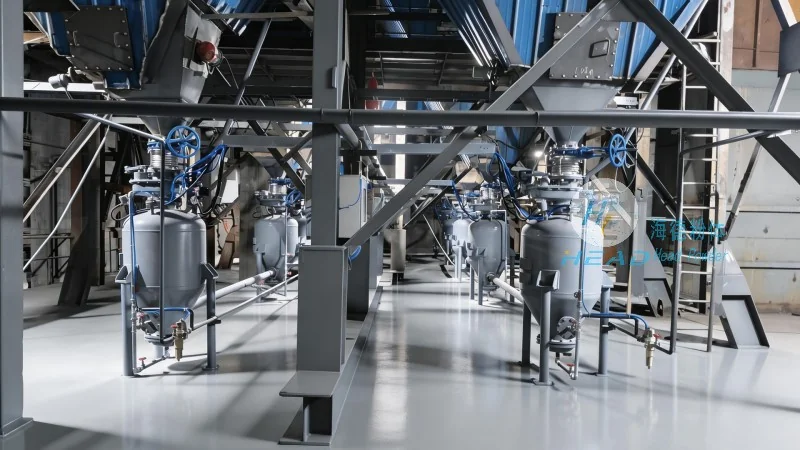
HeadPowder, a leading manufacturer in the field, specializes in providing advanced pneumatic conveying solutions tailored to the unique needs of masterbatch production. With operations based in Shandong, China, the company leverages decades of experience to develop systems that optimize material flow, minimize downtime, and enhance overall production efficiency. The following sections provide a comprehensive overview of the technology, its operational mechanisms, and its real-world implementation.
Principles of Pneumatic Conveying Systems
The fundamental principle of pneumatic conveying involves the use of air or other gases to transport bulk materials through a pipeline. Two primary modes exist: positive pressure (or pressure) and negative pressure (or vacuum) systems. In positive pressure systems, air is forced through the pipeline at a pressure higher than the ambient air, propelling the material forward. This method is ideal for long-distance or high-volume transport and can handle a wide range of materials, including powders and granules. Conversely, negative pressure systems create a vacuum within the pipeline, drawing material into the system as air is drawn out. This approach is commonly used for shorter distances and materials that are less prone to degradation under pressure.
Key components of a pneumatic conveying system include the material feed hopper, which stores and feeds the masterbatch; the conveyor line, which transports the material; and the separation or discharge equipment, which collects the material at the destination. The system also incorporates air compressors or vacuum pumps to generate the necessary pressure or vacuum, as well as filters and cyclones to separate the material from the air stream and prevent contamination. Proper design of these components is critical to ensure efficient operation and minimize energy consumption.
Applications in Masterbatch Processing
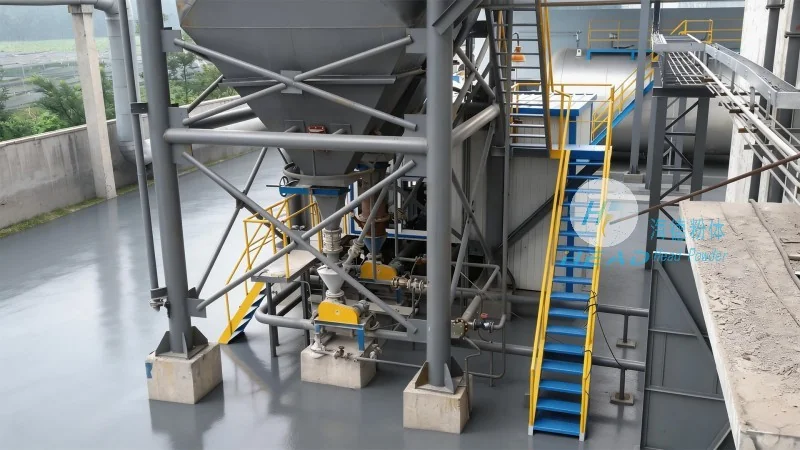
Pneumatic conveying technology is widely employed in the masterbatch industry due to its ability to handle fine powders and granules with minimal degradation. One of the primary applications is the transfer of masterbatch from bulk storage silos to processing lines, such as extruders or mixers. This process is essential for maintaining consistent color and additive levels in plastic products, as any inconsistency can lead to quality issues. The system allows for precise control over the flow rate and pressure, ensuring that the masterbatch is delivered in a controlled manner without clogging or spillage.
Another significant application is the integration of masterbatch into large-scale production lines, where multiple batches of material may need to be combined or blended. Pneumatic conveying enables seamless mixing of different masterbatch types, allowing manufacturers to create custom formulations with varying color intensities and additive concentrations. This flexibility is particularly valuable in industries such as packaging, automotive, and consumer goods, where product customization is a key competitive advantage.
HeadPowder’s systems are designed to accommodate various masterbatch types, including high-density, low-density, and specialty formulations. The company’s engineers work closely with clients to select the appropriate conveying mode and component specifications based on the material’s physical properties, such as particle size, moisture content, and flowability. This tailored approach ensures that the system operates at peak efficiency, reducing the risk of material loss or equipment damage.
Emerging Trends and Future Developments
The pneumatic conveying industry is continuously evolving, driven by advancements in technology and the increasing demand for sustainable and efficient material handling solutions. One of the key trends is the integration of automation and digital control systems, which enhance the precision and reliability of conveying operations. Modern systems now feature sensors and feedback mechanisms that monitor flow rates, pressure, and material levels in real time, allowing for immediate adjustments to maintain optimal performance.
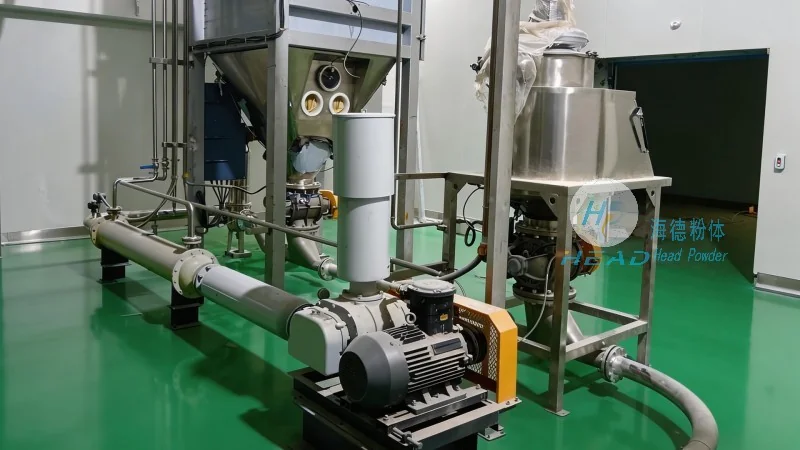
Another emerging trend is the adoption of energy-efficient technologies, such as variable frequency drives (VFDs) and high-efficiency air compressors. These innovations reduce energy consumption and operating costs while minimizing environmental impact. HeadPowder is at the forefront of this trend, developing systems that incorporate VFDs to regulate air flow and pressure, thereby optimizing energy usage without compromising conveying performance.
Furthermore, the development of hybrid conveying systems is gaining traction. These systems combine positive and negative pressure modes to achieve the best of both worlds, offering flexibility in handling different material types and distances. Hybrid systems are particularly useful in complex production environments where multiple material sources and destinations are involved. HeadPowder’s research and development team is actively exploring these hybrid solutions to provide clients with even more versatile and efficient conveying options.
Conclusion
Pneumatic conveying technology remains a cornerstone of efficient masterbatch handling, offering reliable, flexible, and cost-effective solutions for the plastic industry. With continuous advancements in automation, energy efficiency, and system design, the technology is poised to play an even more significant role in future production processes. HeadPowder, with its expertise and commitment to innovation, continues to lead the way in providing advanced pneumatic conveying solutions that meet the evolving needs of the masterbatch market. By leveraging the principles outlined in this article, manufacturers can enhance their operational efficiency, reduce costs, and deliver high-quality products to their customers.




