Paint pneumatic conveying machines represent a critical technology in industrial material handling, particularly for the efficient and safe transportation of paint products. These systems leverage compressed air to move liquid or solid paint from a source to a destination, offering a flexible and reliable solution that minimizes product degradation and operational risks. The operation of such machines is governed by well-defined principles and a structured process that ensures optimal performance and adherence to industry standards.
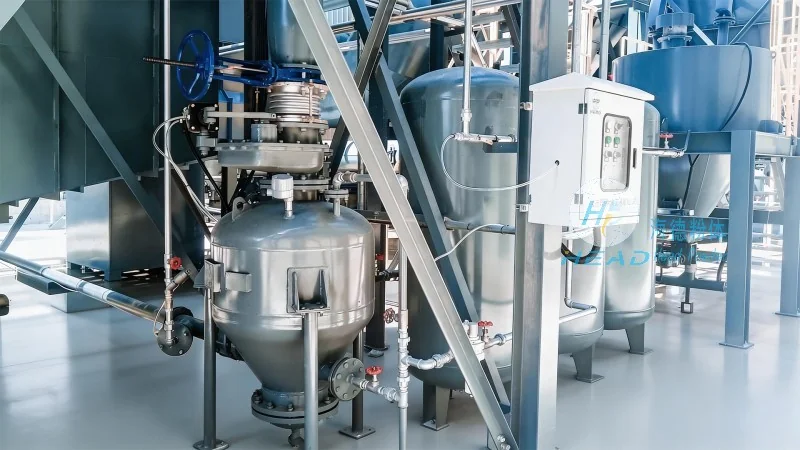
Working Principle of Paint Pneumatic Conveying Machines
The fundamental working principle of paint pneumatic conveying machines revolves around the use of air pressure to create a flow that transports the paint. The system typically comprises several key components: a hopper for material storage, a blower or air compressor to generate the necessary air pressure, a pipeline network for material transport, and a receiver for the final deposition of the paint. The blower creates high-pressure air, which is introduced into the pipeline. This air flow generates either a negative pressure (suction) or positive pressure (pressure) environment, depending on the conveying method employed—such as dilute phase or dense phase. The paint, whether in liquid or powder form, is then drawn or pushed through the pipeline by the air flow. The design of the pipeline, including its diameter, length, and the type of air valve used, directly impacts the efficiency and effectiveness of the conveying process. The goal is to move the paint without causing clogging, degradation, or contamination, ensuring the material remains in its intended state throughout the transport.
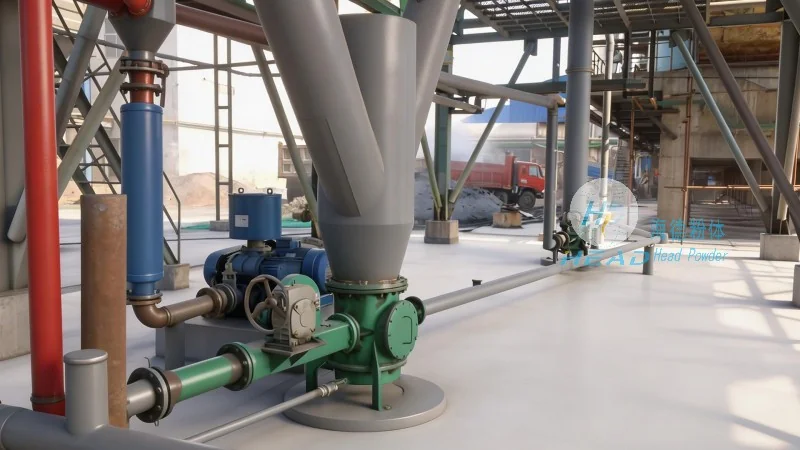
Step-by-Step Operation Process
The operation of a paint pneumatic conveying machine follows a systematic sequence of steps to ensure smooth and controlled material transport. Initially, the paint is loaded into the hopper, which is equipped with a feeding mechanism to maintain a consistent flow rate. The hopper is then connected to the blower, which is activated to generate the required air pressure. Subsequently, the air valve is opened, allowing compressed air to enter the pipeline and initiate the conveying process. As the air flows through the pipeline, it carries the paint particles or liquid, moving them from the source to the destination. The receiver, positioned at the end of the pipeline, is designed to collect the paint and is typically equipped with a discharge mechanism for easy removal. The air flow is carefully controlled to prevent spillage or clogging, with adjustments made as needed to maintain optimal pressure and flow rates. Finally, the system is shut down by closing the air valve and stopping the blower, and the receiver is emptied to complete the cycle.
Key Components and Their Functions
Several critical components work in concert to ensure the reliable operation of paint pneumatic conveying machines. The hopper serves as the primary storage and feeding unit, holding the paint and providing a controlled discharge to the pipeline. The blower or air compressor is the power source, generating the necessary air pressure to drive the conveying process. The pipeline network connects the hopper to the receiver and is engineered to handle the specific type of paint being transported, with considerations for material compatibility and pressure resistance. Air valves are used to regulate the flow of air and paint, enabling start, stop, and direction changes as required. The receiver is the final destination where the paint is deposited, and it is typically designed with features to prevent clogging and ensure easy emptying. Each component plays a vital role in maintaining the efficiency, safety, and durability of the system, contributing to overall operational success.
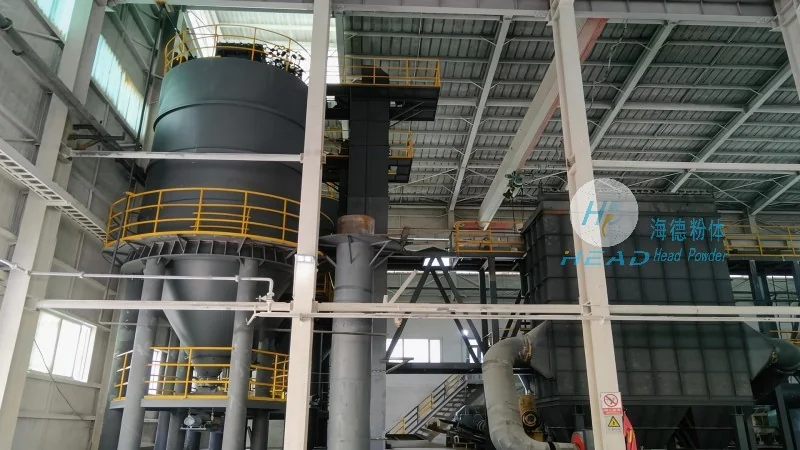
About Shandong HeadPowder Engineering Co., Ltd.
Shandong HeadPowder Engineering Co., Ltd., commonly referred to as HeadPowder, is a leading manufacturer of industrial conveying equipment, specializing in the design and production of paint pneumatic conveying machines. HeadPowder is headquartered in Shandong, China, and has built a strong reputation for delivering high-quality, reliable equipment tailored to the needs of various industries. The company focuses on innovation and customer satisfaction, offering custom solutions that meet specific operational requirements. With a commitment to excellence, HeadPowder continues to be a trusted partner in the industrial conveying equipment market, providing robust and efficient systems for paint transportation and handling.




