Plastic pellet pneumatic conveying lines are essential equipment in modern material handling systems, designed to transport plastic pellets efficiently and reliably. These systems utilize air as the primary medium to move plastic particles from one location to another, offering advantages such as reduced contamination, improved safety, and enhanced flexibility compared to traditional mechanical conveyors. As a leading manufacturer in the industry, Shandong HeadPowder Engineering Co., Ltd. specializes in providing high-quality pneumatic conveying solutions tailored to meet the diverse needs of plastic processing facilities.
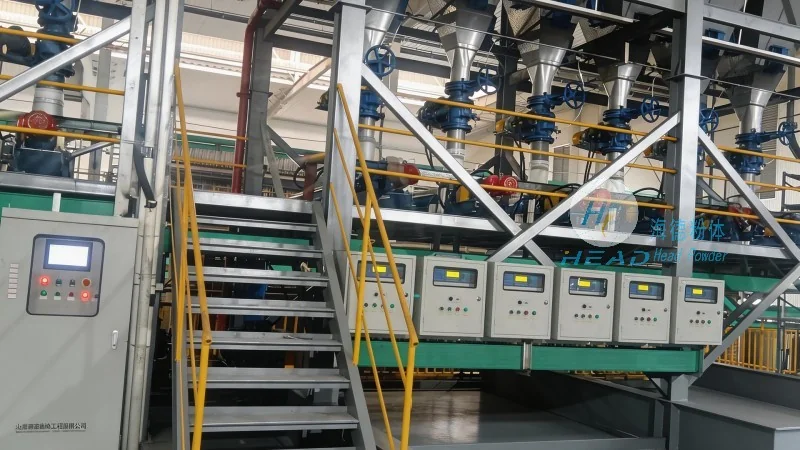
Key Components of Pneumatic Conveying Systems
At the core of any pneumatic conveying line are several critical components that work in concert to ensure smooth operation. The main components include the hopper or feeder, which holds the plastic pellets and controls the flow rate; the air compressor or blower, which generates the necessary air pressure to move the material; the pipeline system, which transports the pellets and air mixture; and the receiver or discharge unit, where the material is collected. Each component plays a vital role in maintaining the system's efficiency and performance. For instance, the feeder ensures a consistent supply of pellets, preventing blockages and maintaining uniform air flow. The air compressor provides the required pressure, typically ranging from low to high pressure depending on the system's design and the distance the material needs to travel. The pipeline system, often made of stainless steel or other corrosion-resistant materials, is designed to withstand the abrasive nature of plastic pellets and the pressure of the air flow. The receiver is equipped with a filter or separator to remove any air bubbles or fine particles, ensuring the delivered material is clean and free from contaminants.
Working Principle of Pneumatic Conveying
The working principle of plastic pellet pneumatic conveying lines is based on the principle of fluidization and pneumatic transport. When air is introduced into the hopper or feeder at a controlled rate, it creates a fluidized bed of plastic pellets. This fluidized state allows the pellets to behave like a liquid, enabling them to be moved through the pipeline by the air flow. The system operates by creating a pressure differential between the inlet and outlet of the pipeline. The air compressor generates high pressure at the inlet, which forces the pellets and air mixture through the pipeline to the receiver. As the mixture travels, the air velocity and pressure are carefully controlled to prevent material degradation or blockages. The receiver then separates the pellets from the air using a cyclone or other filtration system, allowing the clean pellets to be discharged into the next processing stage. This process is highly efficient, as it eliminates the need for mechanical parts that can wear out or cause contamination, and it can handle a wide range of plastic pellet sizes and types.
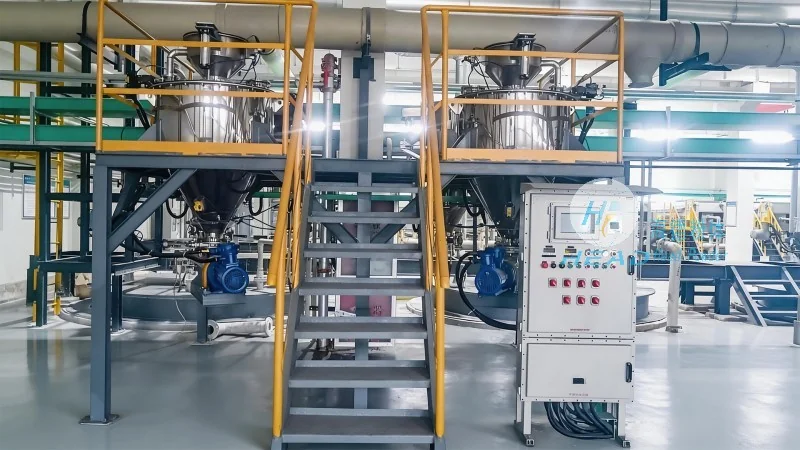
Operation Process of Plastic Pellet Pneumatic Conveying Lines
The operation process of a plastic pellet pneumatic conveying line involves several sequential steps that ensure the smooth and continuous transport of material. The process begins with the loading of plastic pellets into the hopper or feeder. The feeder then regulates the flow rate of pellets into the system, ensuring a consistent supply to the air compressor. The air compressor then starts, generating the necessary air pressure to initiate the conveying process. As the pellets are introduced into the pipeline, the air flow begins to move them through the system. The pipeline system, with its bends and turns, guides the material to the receiver, where it is collected. The receiver may include a filter or separator to remove any air or fine particles, ensuring the delivered pellets are clean and free from contaminants. The entire process is typically automated, with sensors and controls monitoring the flow rate, pressure, and temperature to maintain optimal performance. In case of any issues, such as blockages or pressure drops, the system may have safety features like pressure relief valves or automatic shut-off mechanisms to prevent damage and ensure operator safety.
Advantages of Plastic Pellet Pneumatic Conveying Lines
Plastic pellet pneumatic conveying lines offer several advantages over traditional mechanical conveyors, making them a preferred choice for many plastic processing facilities. One of the primary advantages is the reduction of contamination. Since the material is transported in an enclosed system, it is protected from dust, moisture, and other environmental factors that can affect the quality of the pellets. This is particularly important for food-grade or medical-grade plastics, where contamination can have serious consequences. Another advantage is improved safety. The enclosed system eliminates the need for manual handling of pellets, reducing the risk of injury from handling heavy or slippery materials. Additionally, pneumatic conveying systems are more flexible and can be easily reconfigured to accommodate changes in production processes or facility layout. They can handle a wide range of pellet sizes and types, and can transport materials over long distances without significant loss of material or quality. Finally, these systems are more energy-efficient compared to mechanical conveyors, as they use less power to move the material and can be optimized for minimal energy consumption.
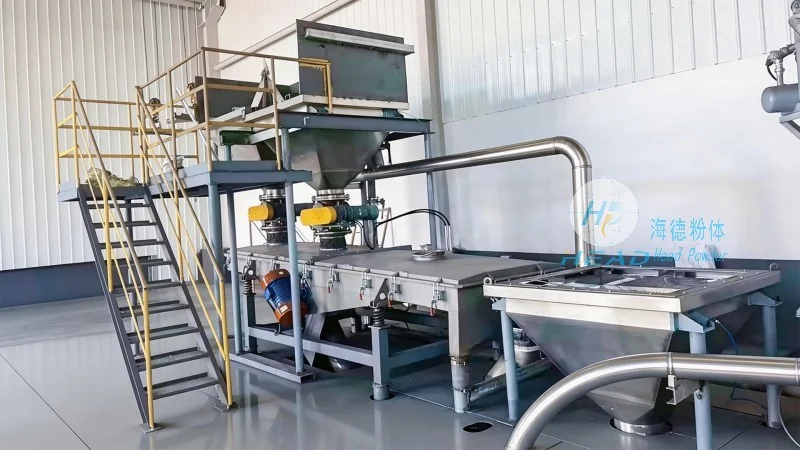
Applications and Industries
Plastic pellet pneumatic conveying lines are widely used in various industries that process plastic materials. The most common applications include the transportation of plastic pellets from storage silos to processing machines, such as extruders or injection molding machines. They are also used in recycling facilities to transport recycled plastic pellets from sorting and cleaning stages to storage or processing areas. Additionally, these systems are used in chemical and pharmaceutical industries to transport plastic pellets that are used in the manufacturing of medical devices or packaging materials. The versatility of pneumatic conveying systems makes them suitable for a wide range of applications, from small-scale operations to large industrial plants.
Maintenance and Troubleshooting
To ensure the long-term performance and reliability of plastic pellet pneumatic conveying lines, regular maintenance and proper troubleshooting are essential. Regular maintenance includes checking and replacing air filters, inspecting the pipeline for leaks or damage, and cleaning the feeder and receiver to prevent clogging. The air compressor and blower should also be checked regularly for proper operation and maintenance. Troubleshooting common issues, such as blockages or pressure drops, is also important. Blockages can occur due to overfilling the hopper or the presence of foreign objects in the pellets. In such cases, the system may need to be cleared by manually removing the blockage or using a pressure relief valve. Pressure drops may indicate a problem with the air compressor or a clogged filter. In these cases, the filter should be cleaned or replaced, and the air compressor checked for proper operation. By following proper maintenance procedures and troubleshooting guidelines, the performance and lifespan of the pneumatic conveying line can be maximized.




