Industrial alkali pneumatic conveying lines are sophisticated systems designed to transport alkali materials such as caustic soda, soda ash, or other alkaline substances in industrial settings. These systems utilize pneumatic technology to move bulk materials efficiently, ensuring safety, reliability, and minimal environmental impact. The operation process and working principle of these lines are critical for understanding their functionality and optimizing performance in various industrial applications.
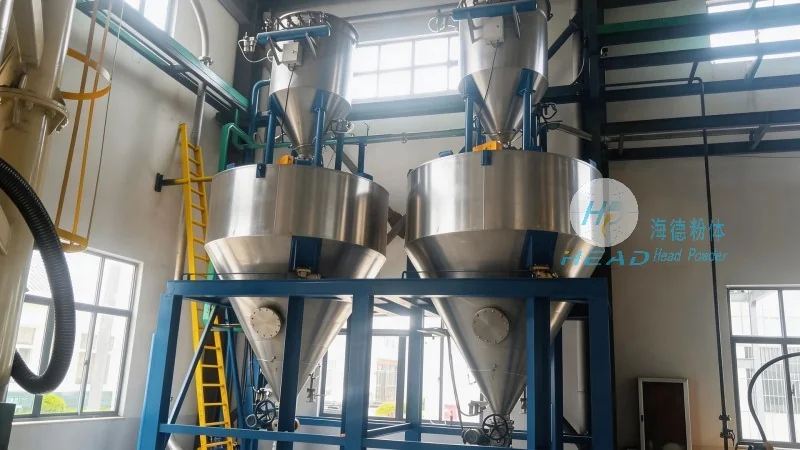
Key Components of Industrial Alkali Pneumatic Conveying Systems
The core components of an industrial alkali pneumatic conveying line include the material hopper, conveyor pipeline, air compressor, dust collector, and control system. The material hopper stores the alkali material and feeds it into the system. The conveyor pipeline, typically made of stainless steel or other corrosion-resistant materials, transports the material under pressure. The air compressor generates the necessary air pressure to move the material through the pipeline. The dust collector captures any airborne particles, ensuring compliance with environmental regulations and maintaining a clean working environment. The control system monitors and regulates the flow of material and air, ensuring smooth operation and preventing system failures.
Working Principle of Pneumatic Conveying
The working principle of industrial alkali pneumatic conveying lines is based on the use of compressed air to transport bulk materials. In a typical system, the alkali material is fed from the hopper into the pipeline. Compressed air is introduced into the pipeline, creating a flow that lifts and propels the material through the system. The air and material mixture travels through the pipeline to the discharge point, where the material is separated from the air and collected. The air is then filtered and recycled back into the system, reducing energy consumption and waste. This process is continuous and can be adjusted to handle different material types and flow rates.
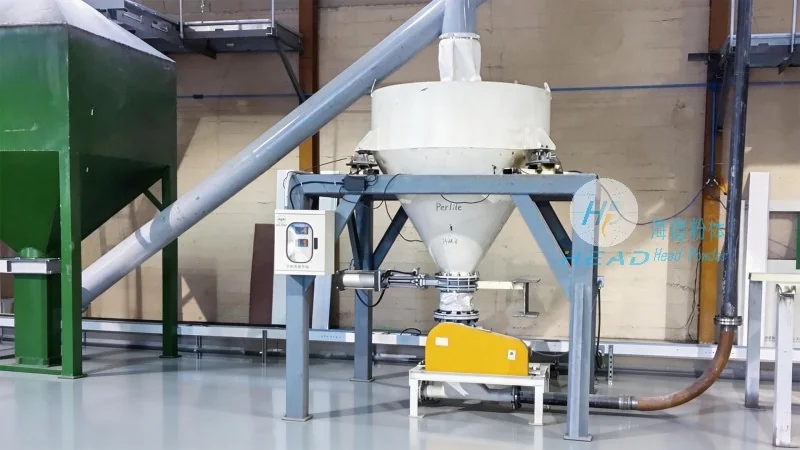
Operation Process: Step-by-Step
The operation process of an industrial alkali pneumatic conveying line involves several key steps. First, the alkali material is loaded into the material hopper. The hopper is equipped with a feeder that controls the flow rate of the material into the pipeline. Next, the air compressor is activated, generating the required air pressure. The compressed air is then introduced into the pipeline, creating a positive pressure that moves the material. The material is conveyed through the pipeline to the discharge point, where it is collected in a receiving container. The system is continuously monitored by the control system, which adjusts the air pressure and material flow rate as needed to maintain optimal performance. The dust collector operates in parallel, capturing any particles that escape from the system and ensuring that the air is clean before being recycled.
Advantages of Industrial Alkali Pneumatic Conveying Lines
Industrial alkali pneumatic conveying lines offer several advantages over traditional conveying methods. These include high efficiency in material transport, reduced labor costs due to automated operation, and improved safety by minimizing direct handling of hazardous materials. The systems are also flexible, allowing for changes in material type or flow rate without major modifications. Additionally, the use of corrosion-resistant materials ensures durability and longevity, reducing maintenance costs over the system's lifespan. The environmental benefits are significant, as the system minimizes dust emissions and waste, contributing to a cleaner industrial environment.
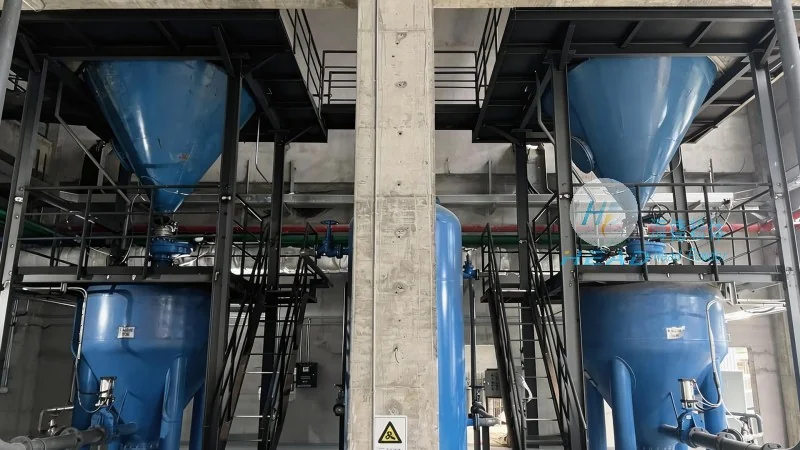
Applications in Industrial Settings
Industrial alkali pneumatic conveying lines are widely used in various industries that handle alkali materials. These include chemical manufacturing, where caustic soda is used in production processes, and food processing, where soda ash is used as a leavening agent. The systems are also used in water treatment facilities, where alkali materials are used to adjust pH levels. In these applications, the efficiency and reliability of the pneumatic conveying line are crucial for maintaining production schedules and ensuring product quality.
Maintenance and Troubleshooting
Regular maintenance is essential to ensure the optimal performance of industrial alkali pneumatic conveying lines. This includes checking the air compressor for proper operation, inspecting the conveyor pipeline for leaks or blockages, and cleaning the dust collector regularly. Common issues that may arise include material buildup in the pipeline, air leaks, or filter clogging. Troubleshooting these issues involves checking the system's pressure readings, inspecting the components for wear and tear, and replacing parts as needed. Proper maintenance can extend the lifespan of the system and reduce downtime, ensuring consistent operation.




