Wheat starch is a crucial raw material in the food, pharmaceutical, and chemical industries, requiring efficient and reliable handling systems. The pneumatic conveying equipment designed for wheat starch transport plays a vital role in ensuring the quality and safety of the material during processing. This article delves into the principle of operation and the key characteristics of working scenarios for such equipment, highlighting the technological advancements and practical applications in industrial settings.
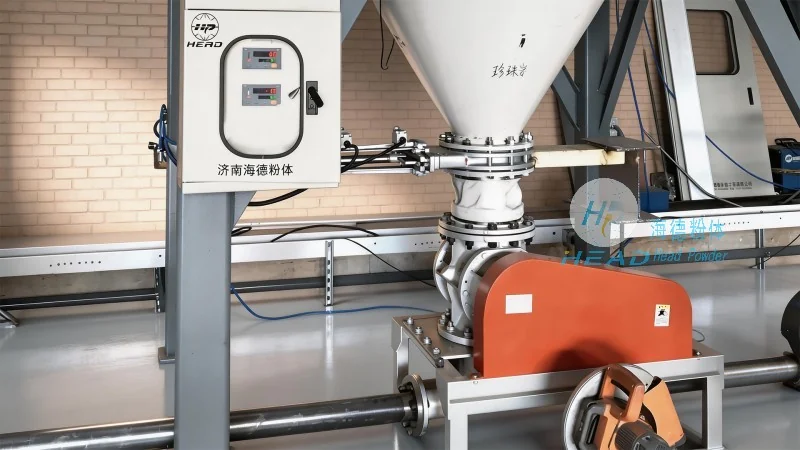
Introduction to HeadPowder and Its Expertise
HeadPowder, formally known as Shandong HeadPowder Engineering Co., Ltd., is a leading manufacturer specializing in the design, production, and installation of pneumatic conveying systems. With a strong presence in China, particularly in Shandong province, the company has built a reputation for delivering high-quality, customized solutions tailored to the specific needs of clients in various industries. HeadPowder's commitment to innovation and precision engineering ensures that their equipment meets the stringent requirements of handling delicate materials like wheat starch, which is sensitive to moisture, temperature, and mechanical stress.
The Principle of Pneumatic Conveying for Wheat Starch
Pneumatic conveying, also known as air conveying, is a method of transporting bulk materials through a pipeline using air or other gases. In the case of wheat starch, this technology involves the use of a positive or negative pressure system to move the material from the source to the destination. The core principle revolves around creating a flow of air that entrains the starch particles, allowing them to be transported efficiently without the need for mechanical components like belts or buckets. This method offers several advantages, including reduced contamination risk, lower maintenance costs, and the ability to handle materials in a closed system, which is essential for maintaining the purity of wheat starch.
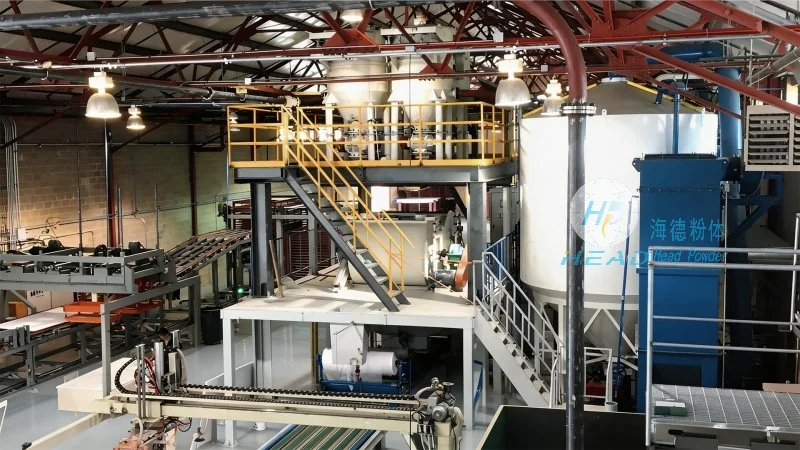
There are two primary types of pneumatic conveying systems: positive pressure and negative pressure. Positive pressure systems generate air pressure at the material source, pushing the material through the pipeline. This approach is suitable for short to medium distances and can handle materials with higher moisture content. Negative pressure systems, on the other hand, create a vacuum at the destination, drawing the material from the source. This method is ideal for longer distances and is often used when the material needs to be transported from multiple points to a single collection point. For wheat starch, the choice between these systems depends on factors such as the distance between the source and destination, the volume of material to be transported, and the specific requirements of the processing line.
Working Scene Characteristics of Wheat Starch Pneumatic Conveying Equipment
The working scene characteristics of wheat starch pneumatic conveying equipment are influenced by several factors, including the material's properties, the operational environment, and the system's design. Wheat starch is a fine, powdery material that can be prone to caking or bridging in traditional handling systems, which can lead to blockages and inefficiencies. The pneumatic conveying system addresses these issues by maintaining a consistent flow of air, preventing the material from settling and clogging the pipeline. This ensures smooth and continuous operation, even when dealing with large volumes of starch.
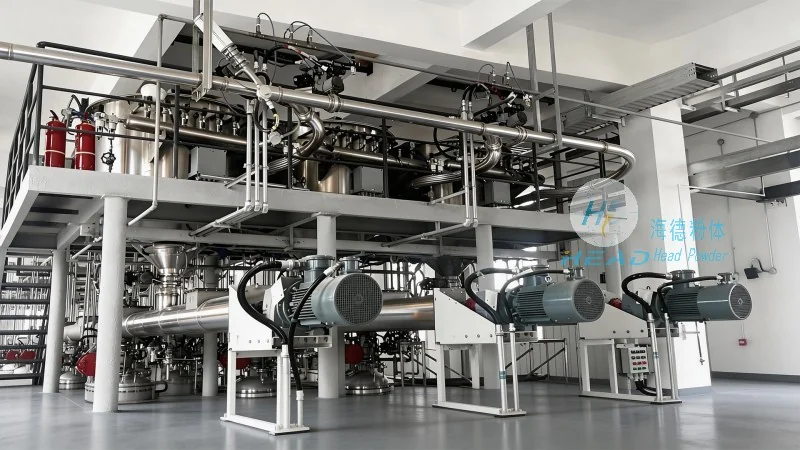
Another key characteristic is the system's ability to handle variations in material flow. In industrial settings, the demand for wheat starch can fluctuate, and the conveying system must be able to adapt to these changes. The adjustable air pressure and flow rate settings in the pneumatic system allow operators to control the speed of material transport, ensuring that the processing line operates efficiently without overloading or underutilizing the equipment. This flexibility is particularly important in environments where the starch is used in multiple production processes, as it allows for seamless integration and coordination between different stages of the production line.
The working scene also includes considerations for hygiene and safety. Wheat starch is often used in food and pharmaceutical applications, where strict hygiene standards are mandatory. The pneumatic conveying system, being a closed-loop system, minimizes the exposure of the material to external contaminants and prevents dust emissions, which is crucial for maintaining compliance with regulatory requirements. Additionally, the system's design incorporates features such as easy cleaning and maintenance, reducing downtime and ensuring that the equipment remains in optimal condition throughout its operational life.
Typical Applications and Operational Scenarios
The pneumatic conveying equipment for wheat starch is widely used in various industrial applications, including food processing, pharmaceutical manufacturing, and chemical production. In food processing, it is commonly employed in the production of starch-based products like noodles, pastas, and snacks, where the starch is transported from storage silos to processing machines. The system ensures that the starch is delivered in a consistent and controlled manner, which is essential for maintaining the quality and texture of the final products.
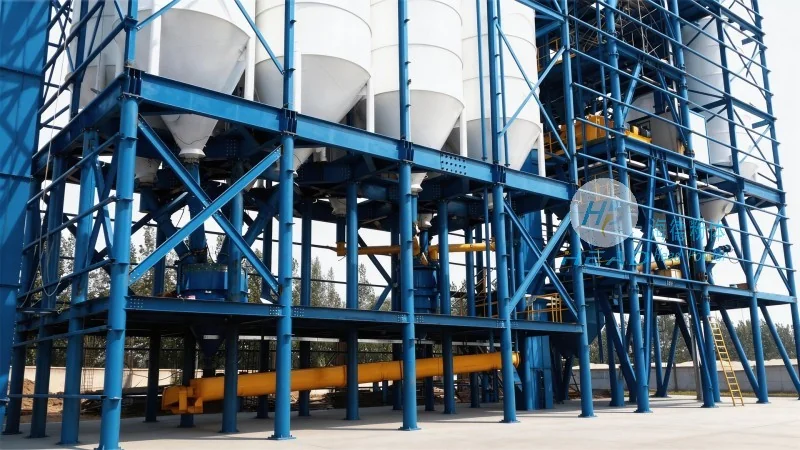
In pharmaceutical manufacturing, the equipment is used to transport starch as an excipient or filler in tablet and capsule production. The closed system and hygienic design of the pneumatic conveyor help prevent cross-contamination and ensure that the starch meets the stringent purity standards required for pharmaceutical applications. The ability to handle fine powders without agglomeration is particularly important in this sector, as it affects the uniformity and quality of the final dosage forms.
In chemical production, wheat starch is used as a raw material in the synthesis of various chemicals, such as adhesives and coatings. The pneumatic conveying system efficiently transports the starch from storage to the reaction vessels, ensuring a steady supply of material for continuous production processes. The system's ability to handle high volumes and maintain consistent flow rates is critical for maintaining the efficiency and productivity of the chemical plant.




