HeadPowder, a leading manufacturer based in Shandong, China, specializes in the design, development, and production of advanced foam particle pneumatic conveying systems. These systems are engineered to efficiently transport bulk materials, such as powders and granules, over long distances with minimal maintenance and high reliability. The following article provides a detailed overview of the operation process and working principles of these innovative conveying lines.
Introduction to Foam Particle Pneumatic Conveying Systems
HeadPowder's foam particle pneumatic conveying lines represent a sophisticated solution for material handling in various industrial applications. These systems utilize a unique foam-based technology to enhance the conveying efficiency of dry bulk materials. By integrating air and foam, the system creates a stable, low-pressure environment that allows for gentle yet effective material transport. This approach not only minimizes product degradation but also reduces energy consumption compared to traditional pneumatic conveying methods.
Key Components of the Conveying Line
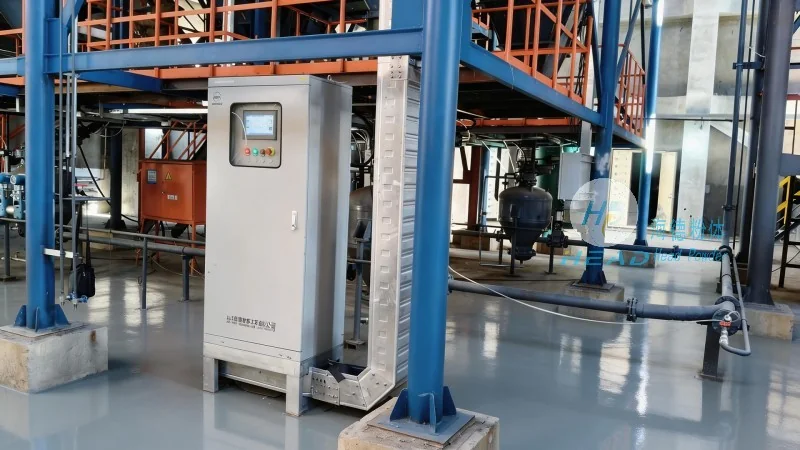
The foam particle pneumatic conveying line consists of several critical components that work in tandem to ensure smooth operation. The main components include a foam generator, a material hopper, a conveying pipeline, a control system, and a receiver. The foam generator is responsible for producing a stable foam mixture, which is then mixed with the material to be conveyed. The material hopper stores the bulk material and feeds it into the system. The conveying pipeline transports the foam and material mixture from the hopper to the receiver. The control system monitors and regulates the flow of air, foam, and material to maintain optimal conveying conditions. The receiver collects the conveyed material and stores it for further processing.
Operation Process of the Conveying Line
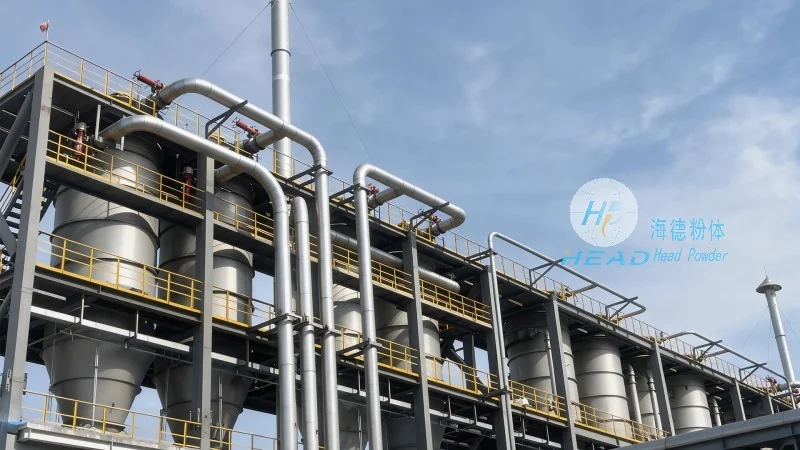
The operation of the foam particle pneumatic conveying line begins with the preparation of the foam mixture. The foam generator pumps air and a foaming agent into a mixing chamber, creating a stable foam. This foam is then mixed with the bulk material from the hopper. The combined foam and material mixture is then fed into the conveying pipeline. As the mixture travels through the pipeline, the foam provides a cushioning effect, preventing material degradation and ensuring a uniform flow. The conveying pipeline is typically made of flexible or rigid materials, depending on the application requirements. The control system continuously monitors the pressure and flow rates to adjust the foam and air supply as needed. The receiver collects the material at the end of the pipeline, and the foam is separated and returned to the foam generator for reuse. This closed-loop system ensures minimal waste and efficient operation.
Working Principle of the Foam Particle Pneumatic Conveying System
The working principle of the foam particle pneumatic conveying system is based on the physical properties of foam and air. Foam is a lightweight, low-density material that can be easily mixed with dry bulk materials. The foam acts as a carrier, reducing the friction between the material particles and the pipeline walls. This reduction in friction allows for lower air pressure and energy consumption compared to traditional pneumatic conveying. The system operates under low pressure, typically ranging from 0.1 to 0.5 bar, which is significantly lower than conventional systems that may require pressures up to 10 bar. The low-pressure operation also minimizes the risk of material degradation and equipment wear. The foam mixture is designed to be stable during transport, ensuring that the material remains suspended and conveyed efficiently. The system's ability to handle a wide range of materials, including sensitive powders and granules, makes it suitable for various industries such as food, pharmaceuticals, and chemicals.
Advantages of Foam Particle Pneumatic Conveying Lines
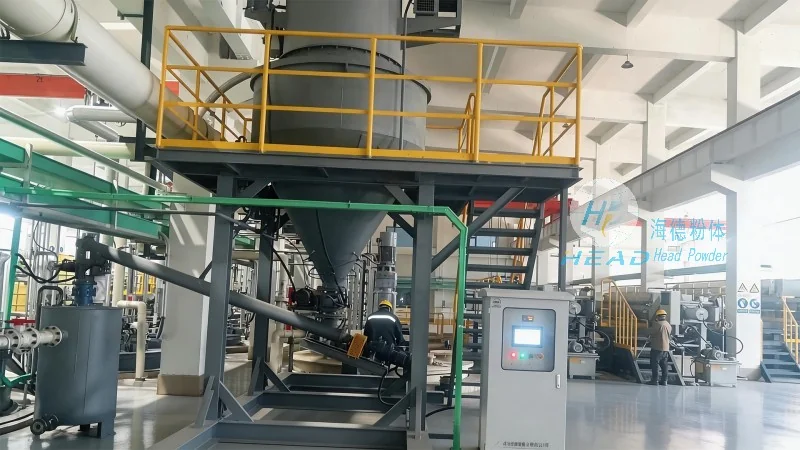
HeadPowder's foam particle pneumatic conveying lines offer several advantages over traditional material handling methods. The primary advantage is the gentle handling of materials, which minimizes degradation and preserves product quality. The low-pressure operation reduces energy consumption and equipment wear, leading to lower operational costs. The closed-loop system reduces waste and improves efficiency. Additionally, the system can handle a wide range of materials, including those that are difficult to convey using conventional methods. The flexibility of the conveying line allows for easy integration into existing production lines, and the modular design enables customization to meet specific application requirements. The system's reliability and low maintenance requirements make it an ideal choice for continuous production environments.
Applications and Industries
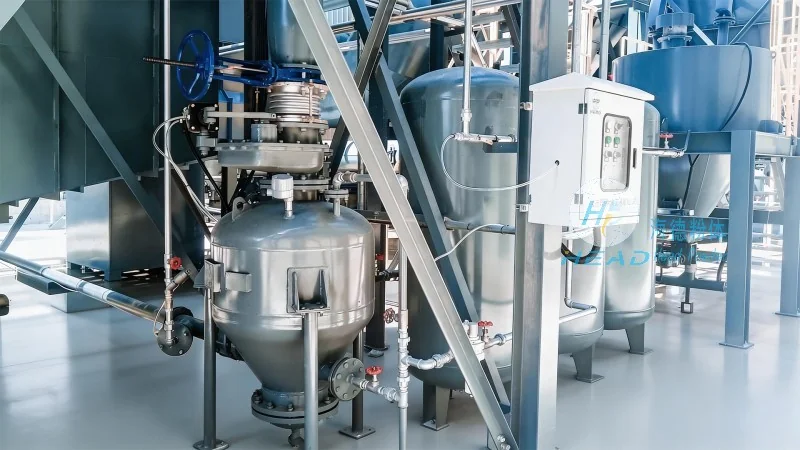
HeadPowder's foam particle pneumatic conveying lines are widely used in various industries that require efficient and gentle material handling. The food industry uses these systems to transport powders and granules, such as flour, sugar, and spices, without compromising product quality. The pharmaceutical industry utilizes the system to convey active ingredients and excipients, ensuring that the materials remain sterile and intact. The chemical industry employs the system to handle a variety of chemicals, including powders and granules, with minimal risk of contamination. The system is also used in the agricultural industry to transport fertilizers and seeds, and in the mining industry to convey ore and minerals. The versatility of the foam particle pneumatic conveying line makes it suitable for a wide range of applications, from small-scale operations to large industrial plants.
Conclusion
HeadPowder's foam particle pneumatic conveying lines represent a cutting-edge solution for efficient and gentle material handling. By leveraging advanced foam technology, these systems offer superior performance compared to traditional pneumatic conveying methods. The operation process and working principles of the system are designed to maximize efficiency, minimize waste, and ensure product quality. With its low-pressure operation, gentle handling, and flexible design, the foam particle pneumatic conveying line is an ideal choice for various industrial applications. HeadPowder's commitment to innovation and quality ensures that these systems meet the highest standards of performance and reliability, making them a trusted solution for material handling in the global market.




