Shandong HeadPowder Engineering Co., Ltd., commonly known as HeadPowder, specializes in the design, calculation, and equipment selection for pneumatic conveying systems, particularly for kaolin powder. This article provides a detailed overview of the process, emphasizing the technical aspects and practical considerations to ensure efficient and reliable material handling.
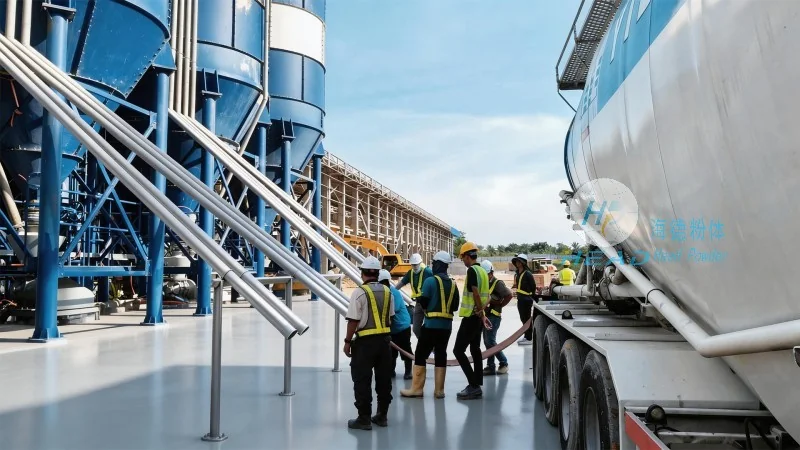
Key Considerations in Kaolin Powder Pneumatic Conveying Design
When designing a pneumatic conveying system for kaolin powder, several critical factors must be considered to optimize performance and minimize operational issues. These include the physical properties of the kaolin powder, such as particle size distribution, moisture content, and bulk density, as well as the required conveying distance and flow rate. The choice between different conveying modes—such as suction (vacuum) or pressure (blow) systems—depends on these factors and the specific application requirements.
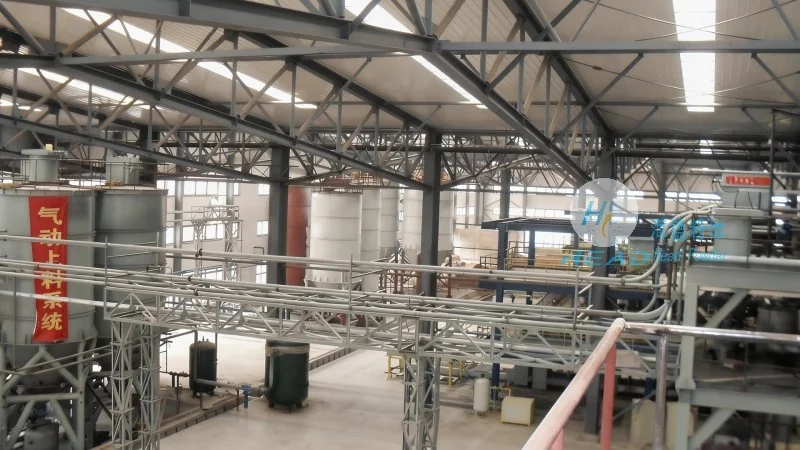
Design Calculation Process for Kaolin Powder Conveying Systems
The design process begins with determining the required conveying capacity, which is typically expressed in terms of mass flow rate (kg/h or ton/h). This is calculated based on the production rate of the kaolin powder and the desired throughput. The next step involves selecting the appropriate air velocity and pressure. For suction systems, the air velocity is often maintained at a minimum of 20-25 m/s to ensure proper particle suspension, while the pressure drop across the system must be calculated to ensure sufficient suction power. In pressure systems, the air velocity is typically higher (30-40 m/s) to overcome the resistance of the pipeline and the material.
Equipment Selection for Kaolin Powder Pneumatic Conveying
Equipment selection is a crucial step in the design process. The main components of a pneumatic conveying system include the material feeders, air movers (fans or blowers), pipelines, and separation equipment. For kaolin powder, which is often fine and prone to dusting, the material feeder must be designed to prevent blockages and ensure consistent flow. Common feeder types include rotary valves, star feeders, and screw feeders, each with its own advantages and limitations. The air mover must be selected based on the required pressure and flow rate, with considerations for power consumption and noise levels. For long-distance conveying, pressure systems may require multiple stages of compression and expansion to maintain efficiency. The pipeline design, including the diameter and material, is critical to minimize pressure drop and prevent particle deposition. Finally, separation equipment, such as cyclones or filters, is used to separate the kaolin powder from the air stream, ensuring clean material and preventing dust emissions.
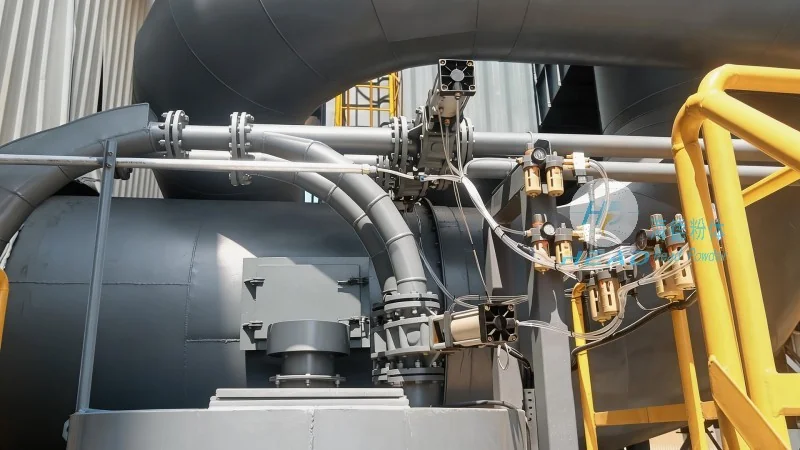
Advantages of Optimized Kaolin Powder Pneumatic Conveying Systems
Properly designed and selected pneumatic conveying systems for kaolin powder offer several advantages over traditional methods like belt conveyors or bucket elevators. These include reduced material handling time, lower labor costs, and improved product quality due to minimized exposure to the environment. The systems are also more flexible, allowing for changes in production rates or conveying distances without major modifications. Additionally, pneumatic conveying can be integrated with other processing equipment, such as drying or grinding units, to create a seamless production line. The use of high-quality equipment and materials, as provided by HeadPowder, ensures long-term reliability and low maintenance costs, making the investment worthwhile for industrial applications.




