When managing the handling and transportation of calcium hydroxide powder, selecting the appropriate pneumatic conveying system is crucial for operational efficiency and product integrity. As a leading provider in the field, Shandong HeadPowder Engineering Co., Ltd. understands the unique challenges associated with calcium hydroxide powder, a material known for its fine particle size and potential for dust generation. This guide aims to help you navigate the options and choose a system that meets your specific process requirements.
Understanding the Challenges of Calcium Hydroxide Powder Handling
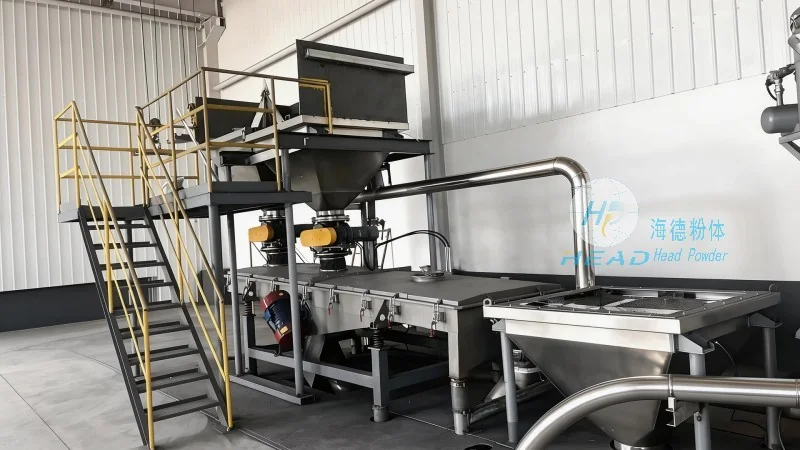
Calcium hydroxide, commonly known as slaked lime, presents several challenges during material handling. Its fine particle size can lead to caking, agglomeration, and increased friction, which may affect the flow characteristics and increase the risk of blockages in traditional conveying methods. Additionally, the material is hygroscopic, meaning it can absorb moisture from the air, potentially altering its properties and making it more difficult to handle. These factors make it essential to use specialized equipment designed to maintain the powder's quality and ensure smooth operation.
The Advantages of Pneumatic Conveying for Calcium Hydroxide Powder
Pneumatic conveying systems offer several advantages for calcium hydroxide powder applications. Unlike mechanical systems, which may cause particle attrition or damage to the material, pneumatic systems use air to transport the powder, minimizing the risk of degradation. This method also allows for a more controlled and gentle handling of the powder, preserving its quality and reducing the need for additional processing steps. Furthermore, pneumatic conveying can be integrated into existing facilities with minimal modifications, making it a cost-effective solution for many industries.
Key Factors to Consider When Choosing a Pneumatic Conveying System
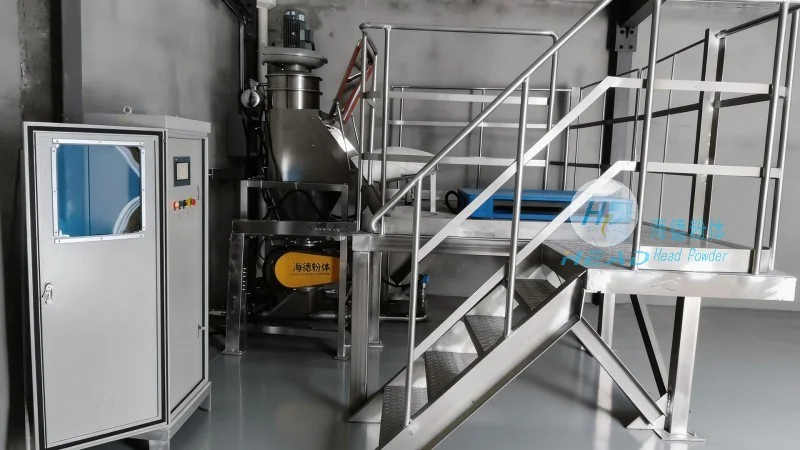
When selecting a pneumatic conveying system for calcium hydroxide powder, several key factors should be evaluated to ensure optimal performance. The first consideration is the system's capacity and flow rate, which must match the production volume and throughput requirements of your facility. The type of conveying system—such as pressure or vacuum systems—also plays a critical role, as each has distinct advantages depending on the distance and layout of the conveying line. For example, pressure systems are often used for longer distances and higher capacities, while vacuum systems are better suited for shorter distances or when the material needs to be collected from multiple points.
Another important factor is the material's properties, including its particle size distribution, density, and flowability. These characteristics will determine the appropriate design of the system, such as the size of the conveying line, the type of air nozzle, and the speed of the air flow. It is also essential to consider the system's ability to handle variations in material consistency, as calcium hydroxide powder may experience changes due to moisture or temperature fluctuations. A well-designed system should be able to adapt to these variations without compromising performance or causing blockages.
System Components and Design Considerations
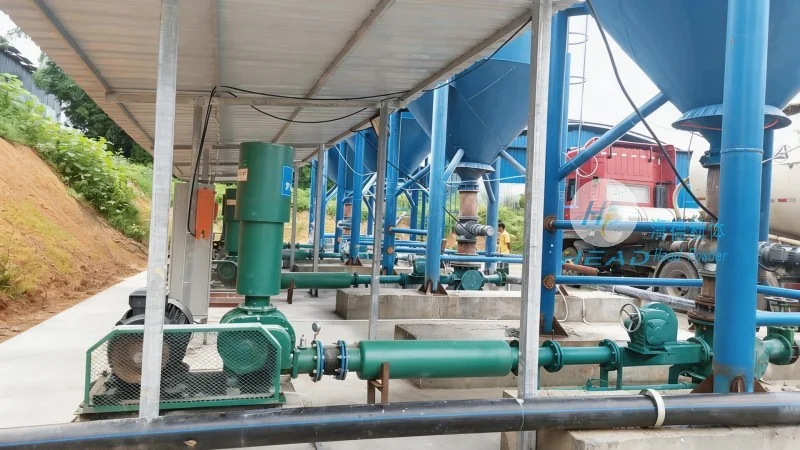
The effectiveness of a pneumatic conveying system for calcium hydroxide powder depends on the proper selection and integration of its components. Key components include the hopper or feeder, which controls the flow of the powder into the system, and the air compressor or vacuum pump, which provides the necessary air pressure or suction. The conveying line itself, typically made of stainless steel or other corrosion-resistant materials, must be designed to prevent the buildup of material and ensure smooth air flow. Additionally, the system should include features such as filters and cyclones to separate the powder from the air and prevent dust contamination, which is critical for maintaining product quality and compliance with environmental regulations.
Customization and Integration with Existing Facilities
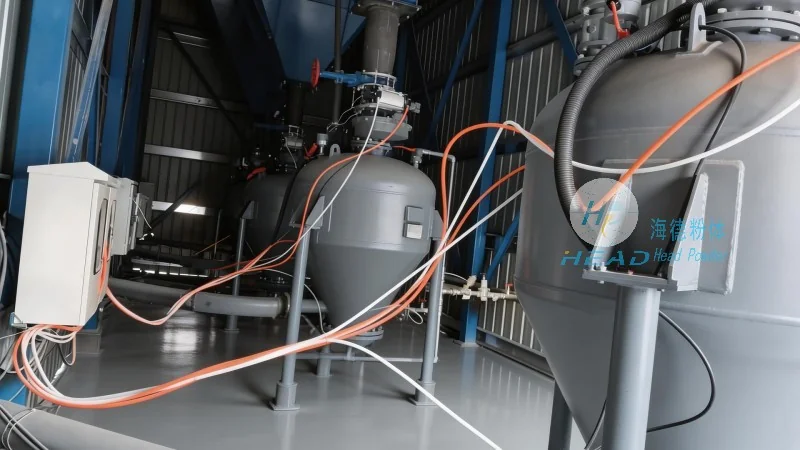
Shandong HeadPowder Engineering Co., Ltd. specializes in customizing pneumatic conveying systems to meet the unique needs of each client. Our team works closely with you to assess your facility's layout, production requirements, and material characteristics to design a system that is both efficient and cost-effective. We can integrate the system with your existing equipment, such as storage silos or processing units, to create a seamless workflow. This approach ensures that the new system complements your current operations without disrupting production, minimizing downtime and maximizing return on investment.
Conclusion: Choosing the Right System for Your Calcium Hydroxide Powder Handling
Selecting the appropriate pneumatic conveying system for calcium hydroxide powder is a critical decision that can significantly impact your operational efficiency and product quality. By considering factors such as system capacity, material properties, and integration with existing facilities, you can choose a system that meets your specific needs. At Shandong HeadPowder Engineering Co., Ltd., we offer a range of customized solutions designed to handle calcium hydroxide powder effectively and reliably. Our expertise in pneumatic conveying systems ensures that you receive a system that is tailored to your process, helping you achieve optimal performance and maintain the integrity of your product.




