Shandong HeadPowder Engineering Co., Ltd., a leading enterprise in the field of industrial material handling solutions, specializes in the design, manufacturing, and implementation of advanced pneumatic conveying systems. With a focus on efficient and reliable material transport, the company has developed cutting-edge technologies tailored to handle challenging materials such as red mud, a byproduct commonly generated in the aluminum industry. This article delves into the operation process and working principle of red mud pneumatic conveying, highlighting the key components, operational steps, and the technical advantages that make this method a preferred choice for industrial applications.
Understanding Red Mud and the Need for Efficient Transport
Red mud, also known as bauxite residue, is a highly alkaline and abrasive solid waste produced during the Bayer process for aluminum extraction. Its composition includes iron oxides, aluminum hydroxides, and other minerals, making it a challenging material to handle due to its high density, stickiness, and potential for caking. Traditional transport methods like belt conveyors or trucks often face issues such as material buildup, equipment wear, and environmental contamination. To address these challenges, pneumatic conveying has emerged as a superior solution, offering a dust-free, continuous, and energy-efficient method for transporting red mud from production sites to disposal or processing facilities.
Key Components of a Red Mud Pneumatic Conveying System
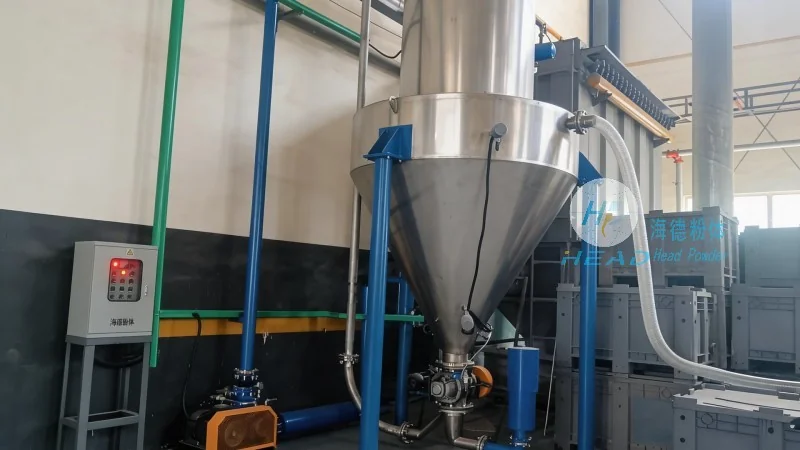
The red mud pneumatic conveying system consists of several critical components that work in tandem to ensure smooth and efficient material transport. The primary components include the hopper, feeder, air compressor, conveying line, and discharge equipment. The hopper serves as the storage and feeding unit, where red mud is stored and metered into the system. The feeder, typically a rotary valve or a screw feeder, regulates the flow rate of the material into the conveying line. The air compressor generates the necessary pressure and airflow to move the material through the pipeline. The conveying line, usually made of stainless steel or other corrosion-resistant materials, transports the red mud and air mixture. Finally, the discharge equipment, such as a rotary valve or a dust collector, collects the material at the destination point.
The Working Principle of Pneumatic Conveying
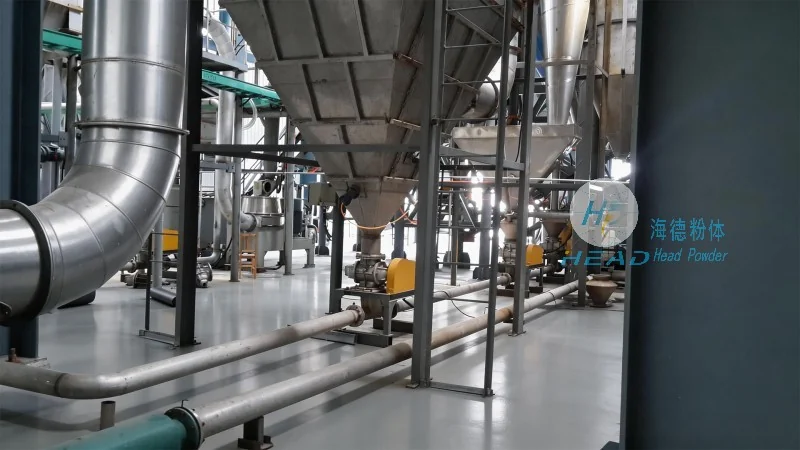
Pneumatic conveying operates on the principle of using compressed air to transport solid particles through a pipeline. In the case of red mud, the system uses a combination of pressure and vacuum to move the material. The process begins with the feeder introducing red mud into the conveying line while the air compressor supplies compressed air. The air and material mixture is then propelled through the pipeline, with the air providing the necessary force to overcome the resistance and move the material. The conveying line is designed with appropriate bends and fittings to ensure smooth flow and prevent blockages. At the discharge point, the air is separated from the material, and the red mud is collected for further processing or disposal.
Operation Process of Red Mud Pneumatic Conveying
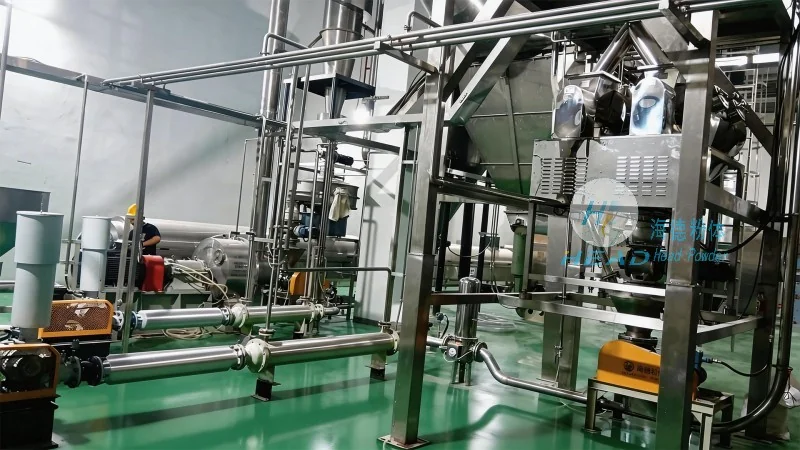
The operation process of a red mud pneumatic conveying system involves several sequential steps that ensure consistent and reliable material transport. First, the hopper is filled with red mud, and the system is started by activating the air compressor. The feeder then begins to meter the material into the conveying line at a controlled rate. The compressed air from the compressor is introduced into the line, creating a pressure differential that propels the red mud forward. As the material travels through the pipeline, it is mixed with the air, forming a slurry-like mixture that flows smoothly. The system continuously monitors the pressure and flow rate to maintain optimal performance. At the receiving end, the material is discharged into a storage or processing facility, while the air is filtered and recycled back to the compressor. The entire process is automated, with sensors and control systems ensuring that the operation runs smoothly and efficiently.
Advantages of Red Mud Pneumatic Conveying
Compared to traditional transport methods, red mud pneumatic conveying offers several significant advantages. Firstly, it provides a dust-free environment, reducing the risk of air pollution and health hazards associated with handling red mud. Secondly, the system is highly efficient, with minimal material loss and low energy consumption. The continuous operation of the system ensures a steady flow of material, improving productivity and reducing downtime. Additionally, the use of corrosion-resistant materials in the pipeline and equipment ensures long-term durability and low maintenance costs. The flexibility of the system allows for easy integration with existing industrial processes, making it a cost-effective solution for red mud transport.
Applications and Industrial Impact
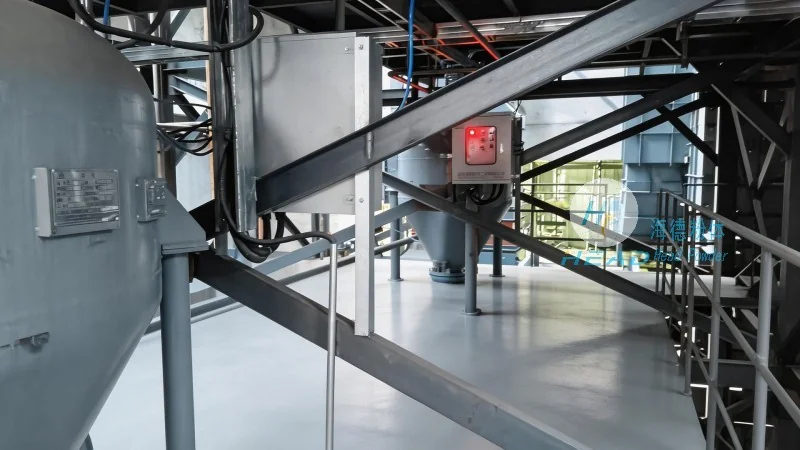
Red mud pneumatic conveying systems are widely used in the aluminum industry for transporting bauxite residue from the extraction plant to disposal sites or for further processing. The technology is also applicable in other industries where abrasive and sticky materials need to be transported, such as mining, chemical processing, and waste management. By implementing this advanced system, industries can improve their operational efficiency, reduce environmental impact, and enhance worker safety. Shandong HeadPowder Engineering Co., Ltd. has successfully implemented numerous red mud pneumatic conveying projects, demonstrating the effectiveness and reliability of their solutions in various industrial settings.
Conclusion
In conclusion, red mud pneumatic conveying is a highly effective and efficient method for transporting red mud, offering significant advantages over traditional transport methods. The system's ability to handle challenging materials, provide a dust-free environment, and ensure continuous operation makes it an ideal solution for industrial applications. With its advanced technology and expertise, Shandong HeadPowder Engineering Co., Ltd. continues to lead in the development and implementation of red mud pneumatic conveying systems, contributing to the sustainable and efficient handling of industrial materials.




