This document provides a comprehensive overview of the operating process and working principle of polymer denitrification equipment. The equipment is designed to reduce nitrogen oxides (NOx) emissions from industrial processes, playing a crucial role in environmental protection and compliance with stringent air quality regulations. As a leading manufacturer in the field, Shandong HeadPowder Engineering Co., Ltd. (hereinafter referred to as HeadPowder) has developed advanced polymer-based systems that offer efficient, cost-effective, and reliable NOx reduction solutions.
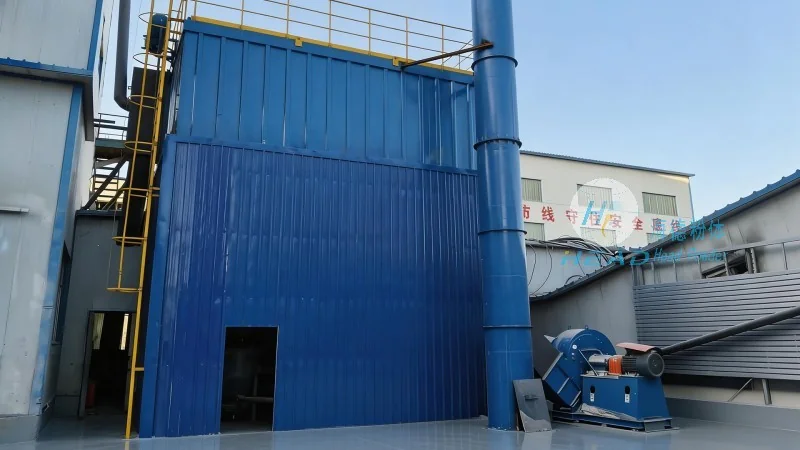
Company Profile: Shandong HeadPowder Engineering Co., Ltd.
HeadPowder, a professional enterprise based in Shandong, China, specializes in the research, development, and production of environmental protection equipment. With years of experience and technical expertise, the company has established itself as a trusted provider of high-quality denitrification solutions. The company's headquarters is located in Shandong, China, and it serves a wide range of industrial sectors, including power generation, petrochemical, and manufacturing industries. HeadPowder is committed to innovation and sustainability, continuously improving its products to meet the evolving needs of the market.
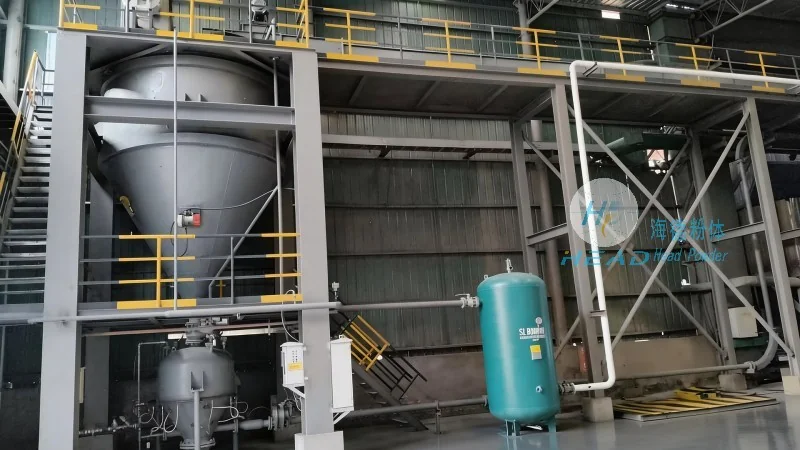
Overview of the Operating Process
The operating process of polymer denitrification equipment involves several key steps. Initially, the flue gas containing nitrogen oxides is introduced into the equipment. The gas then passes through a series of polymer-based media or reactors where the NOx reduction reaction takes place. The process typically includes gas preparation, reaction, and product separation stages. The equipment is designed to operate under controlled conditions, such as temperature and pressure, to ensure optimal performance. The operating process is automated and monitored to maintain consistent performance and minimize downtime. The system is equipped with pre-treatment units to remove particulate matter and moisture from the flue gas, ensuring the polymer catalyst operates under ideal conditions. The gas flow is regulated to maintain a consistent contact time between the gas and the polymer media, which is critical for achieving high NOx conversion rates.
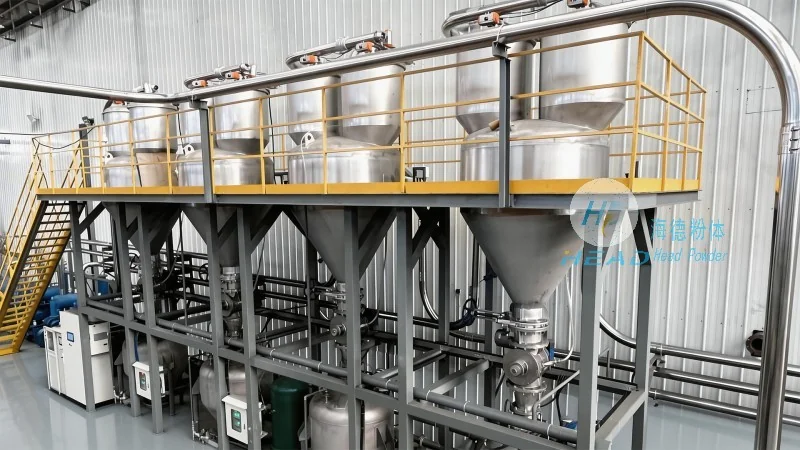
Detailed Working Principle of the Equipment
The working principle of polymer denitrification equipment is based on the catalytic reduction of nitrogen oxides using a polymer catalyst. The polymer material, often composed of organic or inorganic components, provides a high surface area for the reaction to occur. When the flue gas containing NOx and reducing agents (such as ammonia or urea) passes through the polymer media, the NOx molecules are converted into nitrogen gas and water. The reaction is typically exothermic, and the equipment is equipped with cooling systems to manage the temperature. The polymer catalyst is stable and long-lasting, requiring minimal maintenance and replacement. The reaction mechanism involves the adsorption of NOx molecules onto the polymer surface, followed by the reduction reaction with the reducing agent. The selectivity of the polymer catalyst ensures that the primary products are nitrogen and water, with minimal formation of nitrogen dioxide (NO2) or other byproducts. The working principle ensures high conversion rates and low operating costs, making it an attractive solution for industrial applications.
Key Features and Technical Advantages
Polymer denitrification equipment from HeadPowder offers several key features and technical advantages. First, the equipment has a high NOx removal efficiency, typically achieving over 90% reduction rates under optimal conditions. The polymer catalyst is highly selective, minimizing the formation of byproducts such as nitrogen dioxide (NO2). Second, the equipment is compact and modular, allowing for easy installation and integration into existing industrial systems. The modular design also enables scalability, making it suitable for both small and large-scale applications. Third, the equipment operates with low energy consumption and minimal water usage, contributing to cost savings and environmental sustainability. Additionally, the equipment is equipped with advanced monitoring and control systems, including real-time data acquisition and automated alarm systems, ensuring stable operation and easy maintenance. The polymer media has a long service life, often lasting for several years before replacement is needed, reducing the overall lifecycle cost of the equipment.
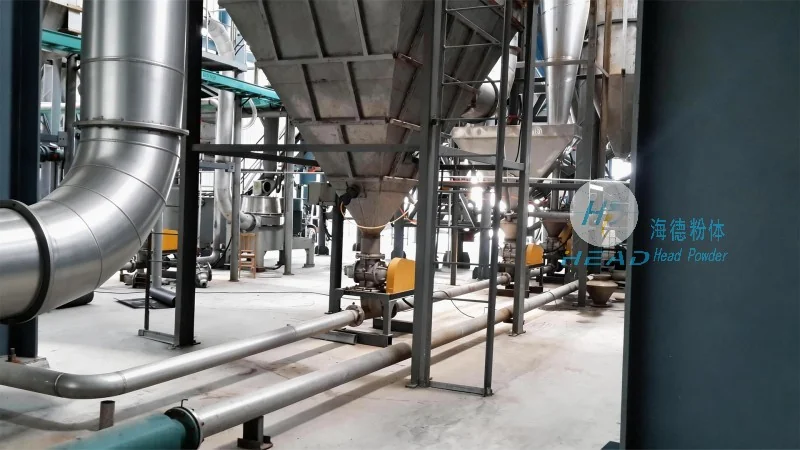
Application Scenarios and Benefits
Polymer denitrification equipment is widely used in various industrial applications where NOx emissions are a concern. The primary applications include power plants, especially those using coal or natural gas as fuel, as well as petrochemical plants, steel mills, and other manufacturing facilities. The equipment provides significant benefits, including compliance with environmental regulations, reduction of operational costs, and improvement of overall plant efficiency. By reducing NOx emissions, the equipment helps to improve air quality and protect the environment. Additionally, the equipment's low maintenance requirements and long service life contribute to its economic viability. HeadPowder's polymer denitrification equipment is a reliable and effective solution for industries seeking to meet their environmental obligations while maintaining operational efficiency. The equipment can be customized to fit specific process requirements, ensuring optimal performance in diverse industrial settings.




