When designing a pneumatic conveying system for cement additives, it is crucial to consider several key factors to ensure the system operates efficiently and reliably. The selection of the appropriate system type, material properties, and operational parameters directly impacts the overall performance and longevity of the equipment. This article outlines the essential considerations and steps involved in developing a well-designed cement additive pneumatic conveying system, with a focus on practical application and engineering principles.
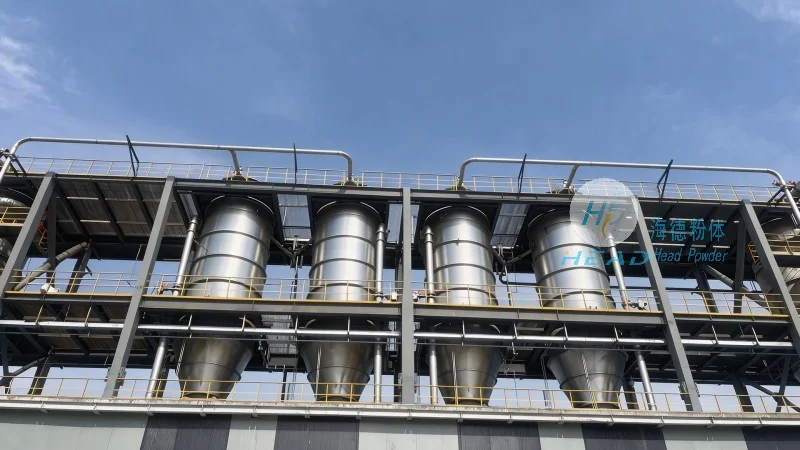
Key Factors in System Design
The first step in designing a pneumatic conveying system for cement additives is to assess the physical and chemical properties of the material. Cement additives, such as limestone, fly ash, or gypsum, often have varying particle sizes, moisture content, and flow characteristics. These properties influence the choice of system type, as different materials may require different pressure levels or conveying methods. For instance, fine powders like limestone may be better suited for low-pressure, dense-phase conveying, while coarser materials like fly ash might benefit from high-pressure, dilute-phase systems. Understanding the material's behavior under different conveying conditions is critical to preventing issues like blockages, segregation, or degradation of the additive.
System Type Selection: Positive Pressure vs. Negative Pressure
Two primary types of pneumatic conveying systems are commonly used in the cement industry: positive pressure and negative pressure systems. Positive pressure systems, also known as pressure or blow-through systems, operate by forcing air or gas through the material, creating a pressure differential that moves the material through the pipeline. These systems are typically more suitable for long-distance or high-capacity applications, as they can maintain consistent flow rates and handle larger volumes of material. On the other hand, negative pressure systems, or vacuum systems, draw material into the pipeline using a vacuum created by a fan or blower. Negative pressure systems are often preferred for shorter distances or when the material needs to be conveyed from a lower elevation to a higher one, as they can handle more delicate or sensitive materials without causing excessive pressure on the material.
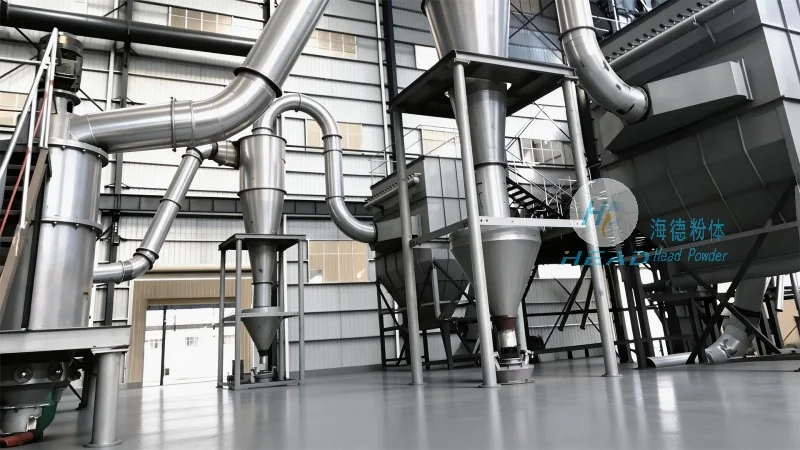
Component Selection and Integration
Once the system type is determined, the next step is to select the appropriate components for the system. This includes the material feeders, which are responsible for introducing the additive into the conveying line, the conveying pipeline itself, and the separation and discharge equipment at the receiving end. The material feeders must be designed to handle the specific characteristics of the cement additive, such as its flowability or tendency to clog. For example, rotary valves or star feeders are commonly used for fine powders, as they can provide a consistent flow rate and prevent material from sticking to the feeder. The pipeline diameter and length are also critical, as they affect the pressure drop and required air volume. Proper integration of these components ensures smooth material transfer and minimizes energy consumption.
Energy Efficiency and Maintenance Considerations
Energy efficiency is a significant factor in the long-term operation of a pneumatic conveying system. The choice of system type and component design can impact the energy required to operate the system. For instance, dense-phase conveying systems, which use lower air velocities and higher material-to-air ratios, are generally more energy-efficient than dilute-phase systems. Additionally, regular maintenance is essential to ensure the system operates at optimal performance. This includes cleaning the pipeline and components to prevent buildup of material, checking the condition of the fan or blower, and monitoring the pressure and flow rates. Proper maintenance can extend the lifespan of the equipment and reduce downtime, leading to cost savings over time.
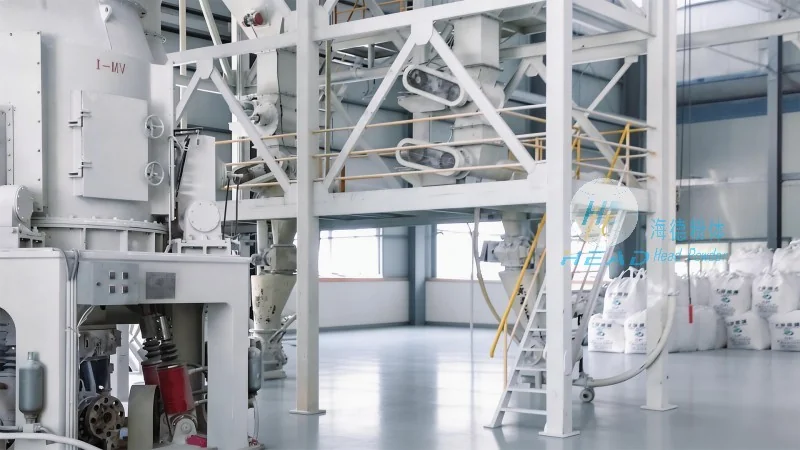
Case Study: A Successful Cement Additive Pneumatic Conveying System Implementation
Shandong HeadPowder Engineering Co., Ltd., a leading provider of engineering solutions for the cement industry, recently completed a project for a major cement manufacturer in China. The client required a new pneumatic conveying system to transport limestone additives from a storage silo to the cement production line. The system was designed as a positive pressure, dense-phase system, with a capacity of 50 tons per hour. The system included a rotary valve feeder, a 200-meter pipeline, and a cyclone separator at the receiving end. The project involved careful analysis of the limestone properties, including particle size distribution and moisture content, to select the appropriate system components. The final system achieved a high conveying efficiency, with minimal material loss and low energy consumption. The client reported significant improvements in production efficiency and reduced maintenance costs after the system was installed.
Conclusion: Designing a Reliable Cement Additive Pneumatic Conveying System
Designing a reasonable cement additive pneumatic conveying system requires a comprehensive approach that considers the material properties, system type, and operational requirements. By carefully evaluating these factors and selecting the appropriate components, engineers can develop a system that operates efficiently, reliably, and cost-effectively. The success of such a system depends on the expertise of the design team and the quality of the equipment used. For companies in the cement industry looking to improve their additive handling processes, partnering with a reputable engineering firm like Shandong HeadPowder Engineering Co., Ltd. can provide the necessary expertise and solutions to achieve their goals.




