Polycrystalline silicon is a critical material in the photovoltaic industry, and its efficient handling requires specialized equipment. Pneumatic conveying systems, particularly for polycrystalline silicon materials, offer a reliable solution for material transport in industrial settings. This article explores the principle and working scene characteristics of such equipment, highlighting its applications and operational advantages.
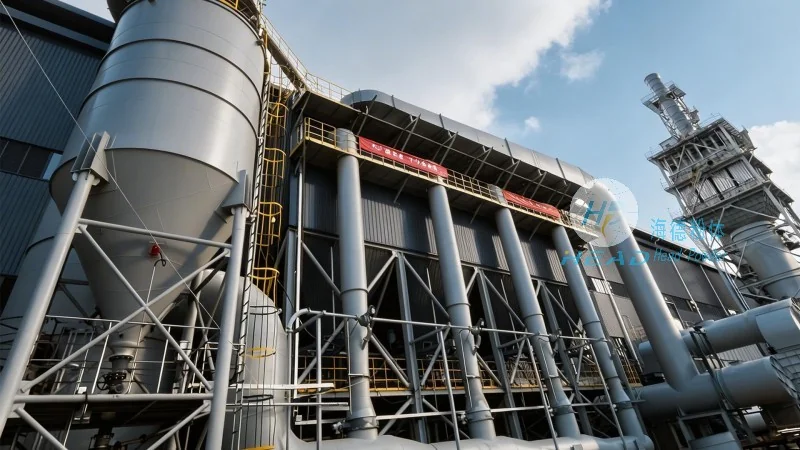
The Principle of Pneumatic Conveying for Polycrystalline Silicon
The core principle of pneumatic conveying for polycrystalline silicon involves using air or other gases to transport solid particles through a pipeline. There are two main types: pressure and vacuum systems. In pressure systems, compressed air is used to push the material forward, while vacuum systems create a negative pressure to draw the material into the pipeline. For polycrystalline silicon, which is often in the form of granules or chunks, the choice of system depends on factors like material properties, distance, and required flow rate. The design typically incorporates air filtration and material separation to ensure a clean and efficient operation, which is crucial for maintaining product quality in the photovoltaic industry.
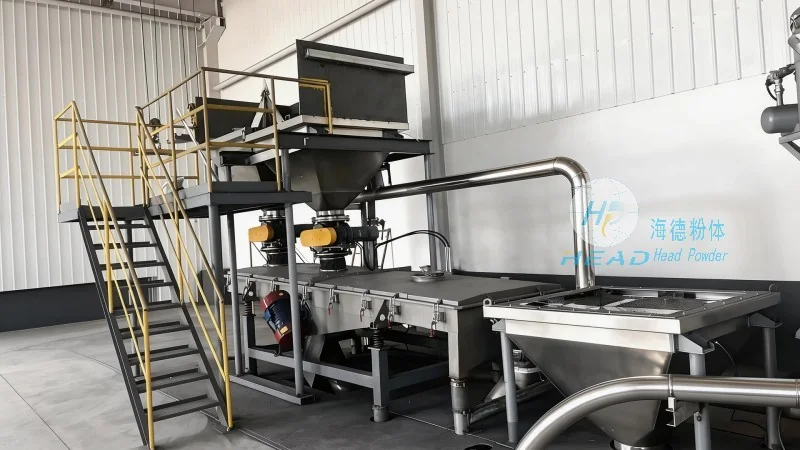
Working Scene Characteristics and Applications
The working scene characteristics of polycrystalline silicon pneumatic conveyors are tailored to the specific demands of the photovoltaic manufacturing process. In raw material handling, the equipment can transport silicon wafers or silicon ingots from storage to processing lines. In product handling, it facilitates the movement of finished polycrystalline silicon products to packaging or shipping areas. These systems are engineered to minimize manual handling, reduce contamination risks, and optimize workflow, contributing to overall operational efficiency in solar panel production facilities.
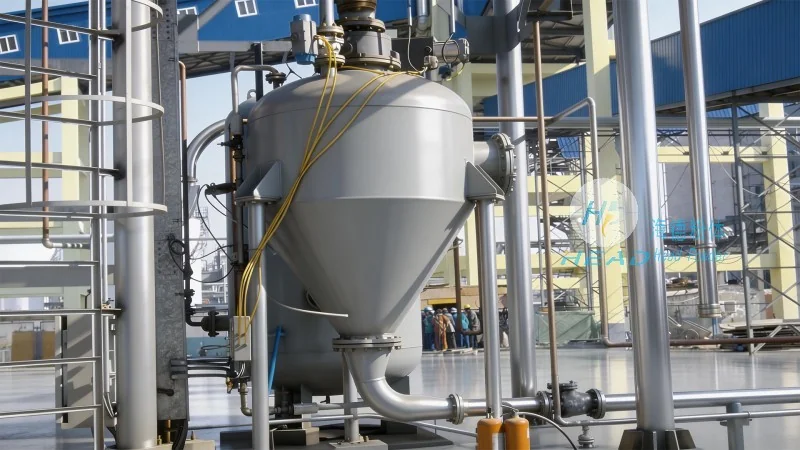
HeadPowder's Expertise in Polycrystalline Silicon Pneumatic Conveying
HeadPowder, a leading provider of engineering solutions, specializes in designing and manufacturing pneumatic conveying systems for polycrystalline silicon applications. With a focus on precision and reliability, their equipment is engineered to handle the unique challenges of polycrystalline silicon, including its abrasive nature and the need for contamination-free transport. The company's facilities, located in Shandong, China, utilize advanced manufacturing technologies to ensure high-quality production of these critical components. HeadPowder's commitment to innovation and customer satisfaction has established them as a trusted partner for businesses seeking efficient material handling solutions in the solar industry.
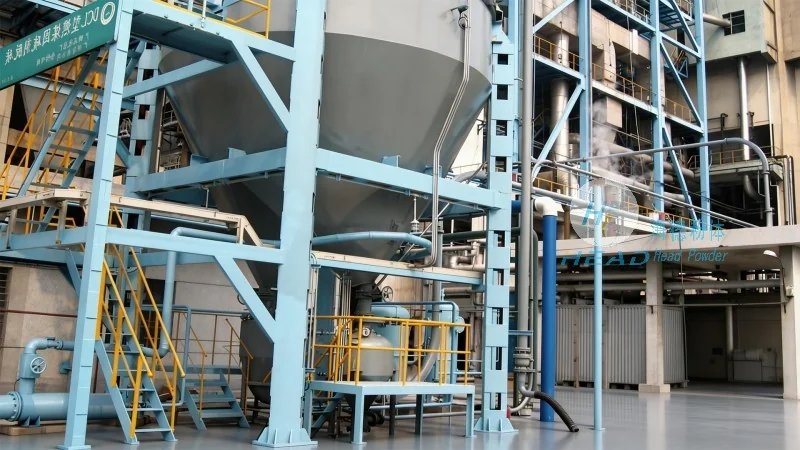
Conclusion: Enhancing Material Handling in Photovoltaic Production
Polycrystalline silicon material pneumatic conveying equipment plays a vital role in the efficient operation of photovoltaic manufacturing facilities. By understanding its principle and working scene characteristics, industries can optimize material handling processes, reduce downtime, and enhance overall productivity. HeadPowder's expertise in this field ensures that companies can access reliable and effective solutions for their polycrystalline silicon transport needs, contributing to the advancement of solar energy production and the broader renewable energy sector.




