Waste material pneumatic conveying lines are advanced industrial equipment designed to transport bulk materials, including various types of waste, through an enclosed pipeline system using air pressure. This technology offers a highly efficient and flexible solution for material handling in waste management and related industries. The system operates by creating a pressure differential within the pipeline, which propels the material forward while maintaining a controlled environment for dust suppression and material integrity.
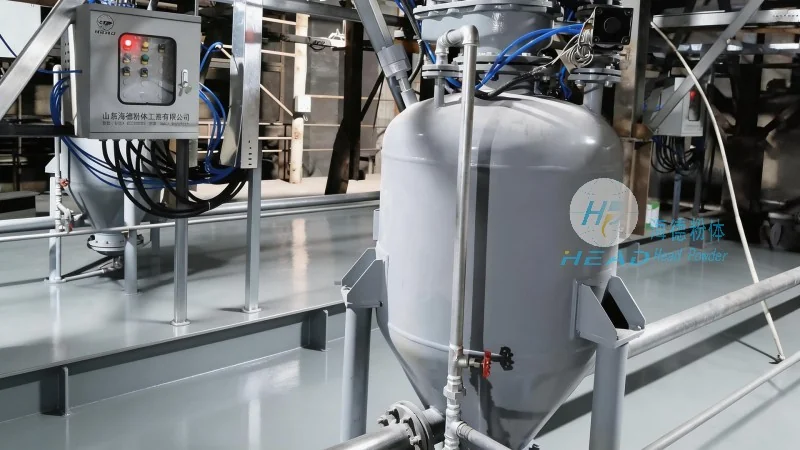
Principle of Operation
The core principle of waste material pneumatic conveying lines involves the use of compressed air or vacuum to move materials. In a typical positive pressure system, a blower or compressor generates high-pressure air that is introduced into the material feed point. The air then mixes with the waste material, forming a dense mixture known as a "pneumatic stream." This stream travels through the pipeline to the discharge point, where the air is separated from the material, often using cyclone separators or filters. The air is then recirculated back to the system, while the waste material is collected for further processing or disposal. The negative pressure system, on the other hand, uses a vacuum pump to draw material into the pipeline, creating a suction effect that pulls the waste from the source to the destination. Both systems are engineered to handle a wide range of waste types, from organic matter to inorganic debris, with minimal environmental impact.
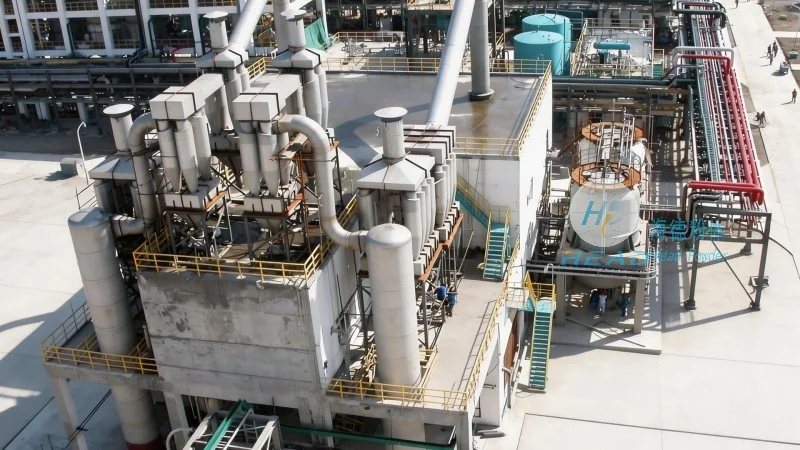
Key Components and Their Functions
Waste material pneumatic conveying lines consist of several critical components that work in tandem to ensure smooth operation. The primary components include the material feed hopper, which holds the waste and allows for controlled discharge; the air supply unit (blower or vacuum pump), which provides the necessary pressure or suction; the conveying pipeline, which is typically made of durable materials like stainless steel or plastic to withstand the abrasive nature of waste; and the separation equipment, such as cyclone separators or bag filters, which separate the air from the material at the discharge end. Additionally, the system may include control valves, pressure sensors, and monitoring devices to regulate flow rates and maintain optimal performance. Each component is designed to handle the specific challenges of waste material handling, ensuring durability, efficiency, and safety.
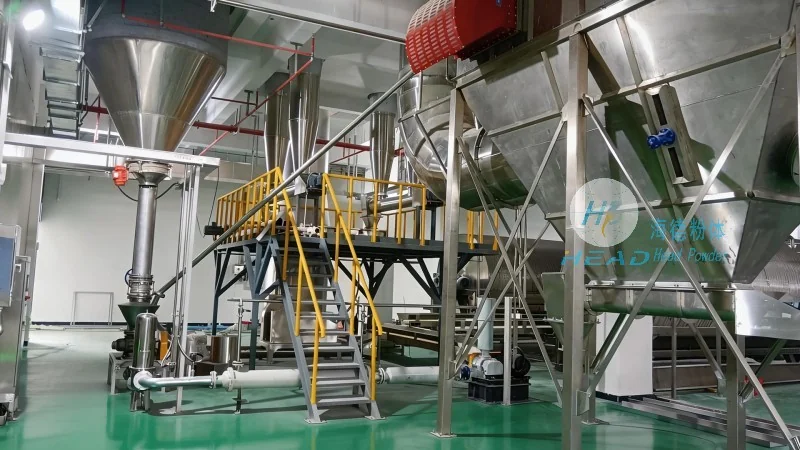
Working Scene Characteristics
The application of waste material pneumatic conveying lines is characterized by several key features that make them ideal for various industrial and municipal waste management scenarios. One of the most significant advantages is their ability to transport materials over long distances without the need for multiple transfer points or manual handling. This is particularly beneficial in large-scale waste processing facilities where materials need to be moved from collection points to processing plants or disposal sites. The enclosed pipeline system also minimizes dust emissions and odor control, contributing to a cleaner and more environmentally friendly operation. Furthermore, the system is highly adaptable to different waste types, including wet or dry materials, and can be integrated with other processing equipment, such as shredders or compactors, to form a comprehensive waste management system. The flexibility of the pneumatic conveying line allows for easy adjustments to changing waste volumes or processing requirements, making it a versatile solution for modern waste management needs.
Advantages in Waste Management
Implementing waste material pneumatic conveying lines offers numerous advantages over traditional material handling methods. The primary benefit is the significant reduction in labor costs, as the system automates the entire material transport process, eliminating the need for manual loading and unloading. This not only improves efficiency but also enhances workplace safety by reducing the risk of injuries associated with manual handling of waste. Additionally, the enclosed pipeline design minimizes environmental contamination, as it prevents dust and airborne particles from escaping into the surrounding environment. This is crucial for maintaining compliance with environmental regulations and protecting the health of workers and the community. The system also reduces the risk of material spillage or loss, ensuring that all waste is transported to the intended destination without waste. Furthermore, the high throughput capacity of pneumatic conveying lines allows for the efficient handling of large volumes of waste, making them suitable for high-demand applications in waste processing plants. The durability of the equipment, particularly when constructed from stainless steel or corrosion-resistant materials, ensures long-term operation with minimal maintenance requirements, contributing to lower overall operational costs.
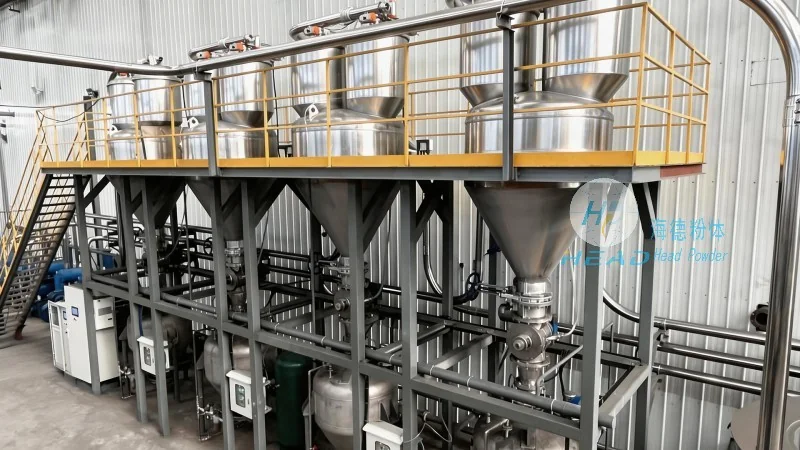
Case Study: Application in Municipal Waste Processing
Shandong HeadPowder Engineering Co., Ltd., a leading manufacturer of waste material handling solutions, has successfully implemented waste material pneumatic conveying lines in a municipal waste processing facility in China. The system was designed to transport mixed waste from collection bins to a sorting and processing plant over a distance of 500 meters. The positive pressure system, equipped with a high-capacity blower and stainless steel pipeline, was able to handle up to 100 tons of waste per hour, meeting the facility's processing demands. The cyclone separator at the discharge end effectively separated the air from the waste, with the air being recirculated back to the system, reducing energy consumption. The enclosed pipeline design minimized dust emissions, ensuring compliance with local environmental regulations. The project demonstrated the effectiveness of the pneumatic conveying line in improving operational efficiency and reducing labor costs. The success of this application has led to increased demand for similar systems in other municipal waste management projects, highlighting the versatility and reliability of waste material pneumatic conveying lines.




