HeadPowder, a leading engineering company based in Shandong, China, specializes in the design and implementation of advanced pneumatic conveying systems for handling cement gray powders. These systems are engineered to efficiently transport bulk materials like cement over long distances with minimal operational disruptions. The following sections delve into the fundamental principles behind these systems and the key characteristics that define their working environments.
The Core Principle of Pneumatic Conveying
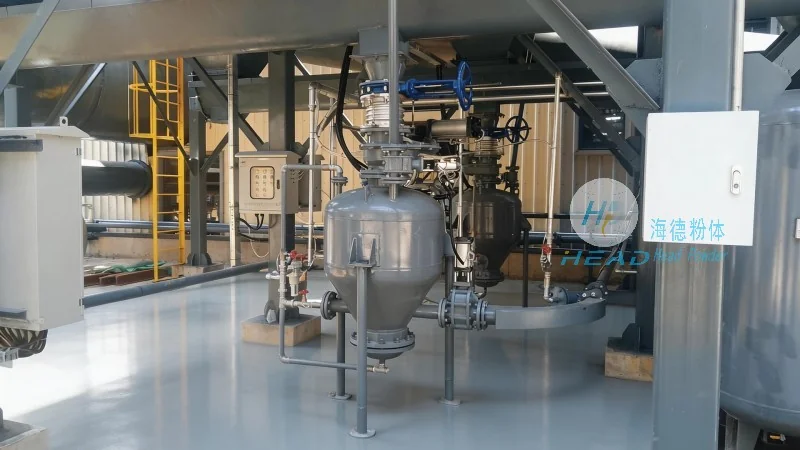
The pneumatic conveying line operates on the principle of using air as a medium to transport particulate materials. In this system, a fan or blower generates a high-pressure airflow that draws the cement gray powder from a hopper or storage silo into a pipeline. The air and powder mixture then travels through the pipeline to the destination point, such as a silo or processing unit. The system relies on the balance between air velocity and particle size to ensure stable and efficient transport. For cement gray powders, which are typically fine and cohesive, specialized design considerations are crucial to prevent blockages and maintain consistent flow rates.
Key Working Scene Characteristics
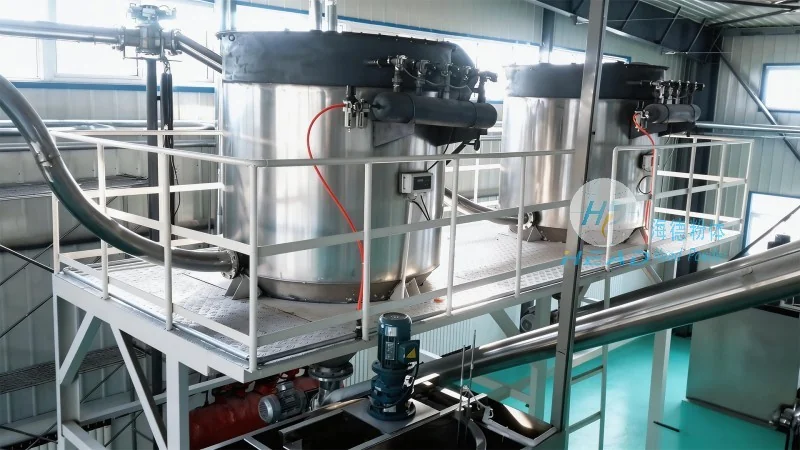
The working scene characteristics of cement gray powder pneumatic conveying lines are shaped by several critical factors that influence performance and reliability. First, the system must be designed to handle the specific properties of cement gray powder, including its particle size distribution, moisture content, and flowability. These characteristics directly impact the air velocity required to maintain a smooth flow, as well as the risk of dust generation and material degradation during transport. Second, the system's layout and configuration are tailored to the operational environment, such as the distance between the source and destination, the number of transfer points, and the need for vertical or horizontal transport. For example, in industrial settings where cement is moved from a production plant to a storage facility, the conveying line may include multiple bends, valves, and filters to ensure efficient and safe operation.
Application Scenarios and Operational Benefits
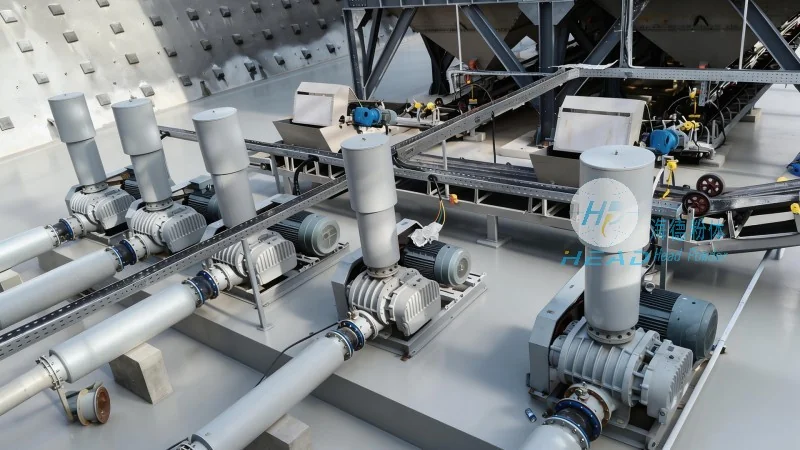
Cement gray powder pneumatic conveying lines are widely used in various industrial applications, particularly in the cement manufacturing and construction sectors. In these scenarios, the system provides several operational benefits, including reduced labor costs, improved safety by eliminating manual handling of bulk materials, and enhanced process efficiency. The ability to transport cement over long distances without the need for intermediate storage or manual loading significantly streamlines production workflows. Additionally, the enclosed nature of the pneumatic system minimizes dust exposure, which is a critical consideration in industrial environments where air quality and worker safety are paramount.
Design Considerations for Optimal Performance
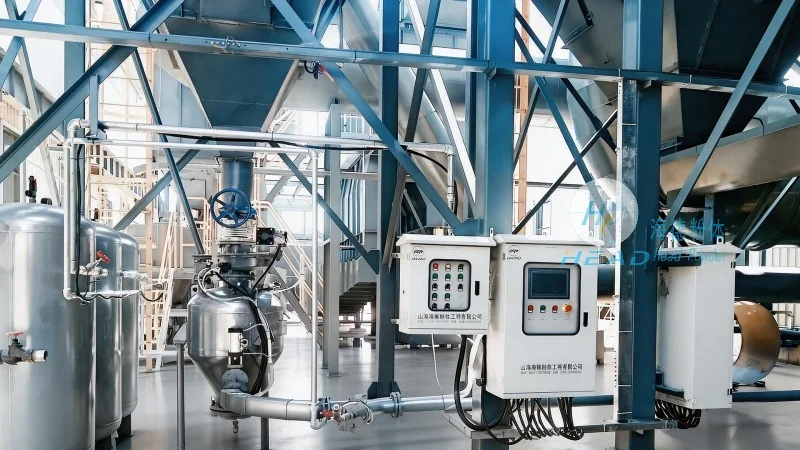
Designing an effective cement gray powder pneumatic conveying line involves a comprehensive approach that addresses both the material properties and the operational requirements. Engineers at HeadPowder conduct thorough analyses of the cement gray powder's characteristics, such as particle size, density, and moisture content, to determine the optimal air velocity and pipeline diameter. The system's components, including the fan, hopper, and pipeline, are selected to ensure compatibility with the material and to minimize wear and tear. For example, the use of stainless steel or special coatings on the pipeline and hopper can prevent corrosion and material buildup, which are common issues with cement gray powders. Furthermore, the inclusion of filters and cyclones in the system helps to separate the powder from the air, ensuring that the material is delivered to the destination in a clean and usable state.




