For businesses in the plastic and polymer industry, efficient material handling is crucial to maintaining production efficiency and product quality. Pneumatic conveying systems have emerged as a reliable solution for transporting masterbatch, a critical component used to color and modify plastic materials. Understanding the key components of these systems is essential for optimizing performance and ensuring smooth operations. This article explores the essential elements that constitute a pneumatic conveying system for masterbatch, highlighting the role of each component in the overall process.
Core Components of Pneumatic Conveying Systems
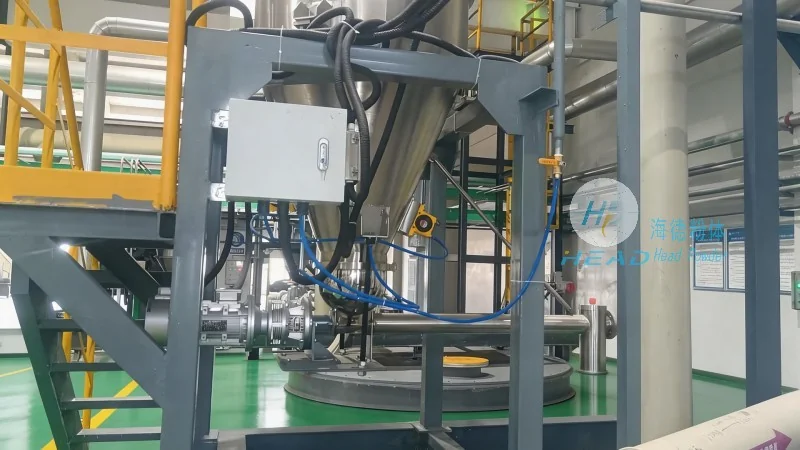
The pneumatic conveying system for masterbatch typically consists of several interconnected components that work together to transport material from a source to a destination. The primary components include the hopper, feeder, conveying line, and receiver. Each of these components plays a vital role in the system's functionality and efficiency.
The hopper is the initial storage container where masterbatch is loaded. It is designed to hold the material and provide a consistent feed to the feeder. The design of the hopper, including its size and shape, influences the flow characteristics of the masterbatch, ensuring that material is released smoothly without clogging. The feeder, often a rotary valve or a screw feeder, regulates the flow of masterbatch from the hopper into the conveying line. This component is critical for controlling the material discharge rate, which directly impacts the conveying velocity and system performance.
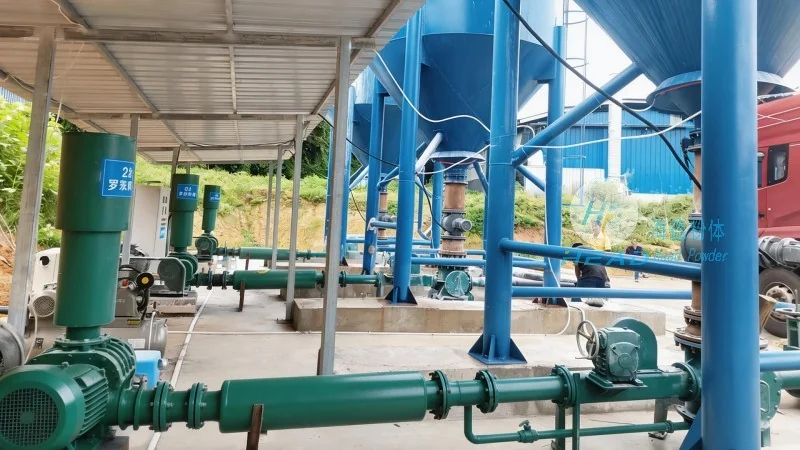
The conveying line is the central part of the system, responsible for transporting the masterbatch through the air. It can be made of metal or plastic, depending on the material being conveyed and the system's requirements. The line's diameter and length are carefully selected to ensure that the material is conveyed at the optimal velocity, minimizing particle degradation and system wear. The choice of material for the conveying line is also important, as it must be resistant to the chemical properties of the masterbatch and the air used in the system.
The receiver is the final destination where the masterbatch is deposited. It is typically a storage tank or a container that collects the material after it has been conveyed. The receiver is designed to handle the incoming material flow and prevent spillage or contamination. Some systems may include additional components such as filters or cyclones to separate any fines or dust from the conveyed material, ensuring that the final product is of high quality.
Role of Air in Pneumatic Conveying
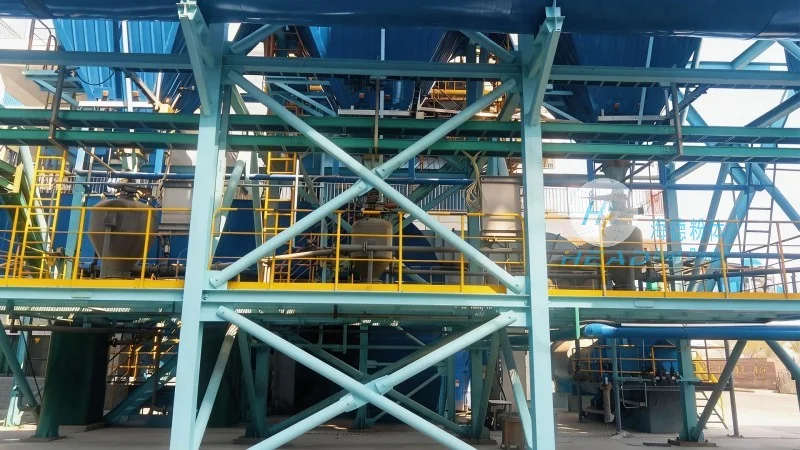
Air is the driving force behind pneumatic conveying systems. The system uses compressed air to create a flow that moves the masterbatch particles through the conveying line. The air velocity must be sufficient to lift and transport the material, but not so high as to cause excessive wear on the system components or degrade the masterbatch particles. The air pressure and flow rate are carefully controlled to maintain a stable conveying process. The air used in the system is typically filtered to remove any contaminants that could affect the quality of the masterbatch or damage the system components.
Advantages of Pneumatic Conveying for Masterbatch
Pneumatic conveying systems offer several advantages over traditional mechanical conveying methods. One of the key benefits is the ability to transport masterbatch in a closed system, which helps to maintain product integrity and prevent contamination. This is particularly important for masterbatch, which is often used in food packaging or medical applications where purity is critical. Additionally, pneumatic conveying systems are flexible and can be easily integrated into existing production lines, allowing for changes in production volume or material type without significant modifications.
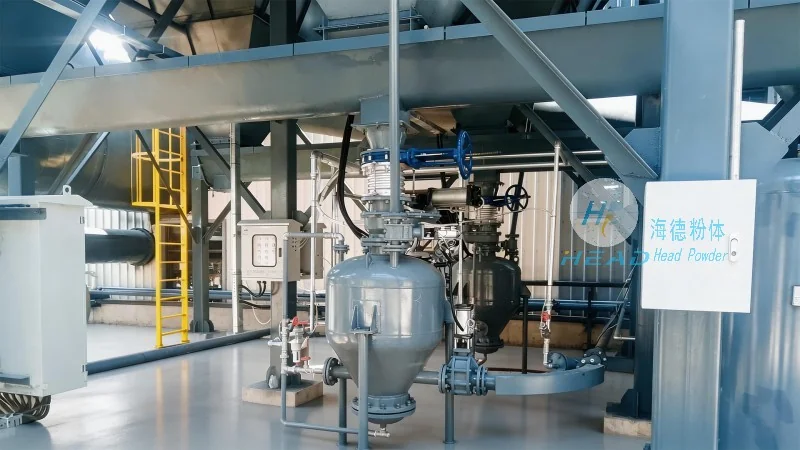
Another advantage is the reduced risk of material degradation. Unlike mechanical systems that may cause friction and wear on the material particles, pneumatic conveying uses air to move the material, minimizing the risk of particle breakdown. This is especially important for masterbatch, which may contain sensitive additives or pigments that could be damaged by mechanical stress. The system also allows for the transportation of materials over long distances without the need for intermediate storage or handling, improving overall production efficiency.
Customization and Maintenance Considerations
Shandong HeadPowder Engineering Co., Ltd., a leading manufacturer of masterbatch and related equipment, offers customized pneumatic conveying solutions tailored to the specific needs of their clients. The company understands that each production environment is unique, and their systems are designed to meet the specific requirements of the application. Regular maintenance is essential to ensure the longevity and efficiency of the system. This includes checking the air pressure, inspecting the conveying line for wear or damage, and cleaning the hopper and receiver to prevent clogging. The company provides comprehensive maintenance services to help clients keep their systems running smoothly and efficiently.




