HeadPowder, a leading engineering firm based in Shandong, China, specializes in the design and implementation of advanced pneumatic conveying systems tailored for calcium phosphate powder handling. This article delves into the fundamental principles underlying these systems and explores the specific operational scenarios where they excel, providing a comprehensive overview for industry professionals seeking efficient material transport solutions.
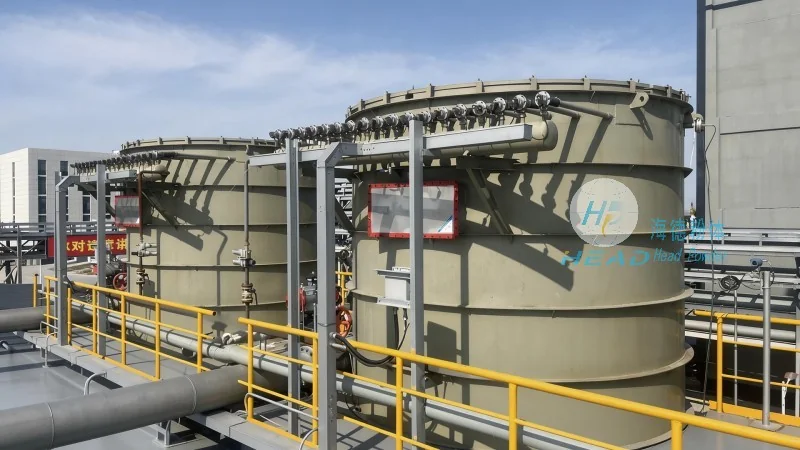
The Core Principle of Pneumatic Conveying for Calcium Phosphate
The pneumatic conveying line for calcium phosphate powder operates on the principle of using air or gas as the medium to transport particulate materials through a pipeline. Unlike traditional mechanical conveying methods, this system relies on the pressure differential created by a blower or compressor to move the powder. The process involves feeding the powder into a hopper, where it is then drawn into the pipeline by the moving air stream. As the powder particles are entrained by the air, they travel through the system, often passing through various components such as bends, filters, and control valves before reaching the discharge point. This method is particularly effective for calcium phosphate, a fine powder that can be prone to caking or segregation under traditional handling conditions. The air flow ensures uniform distribution and prevents material degradation, making it an ideal solution for maintaining product quality during transport.
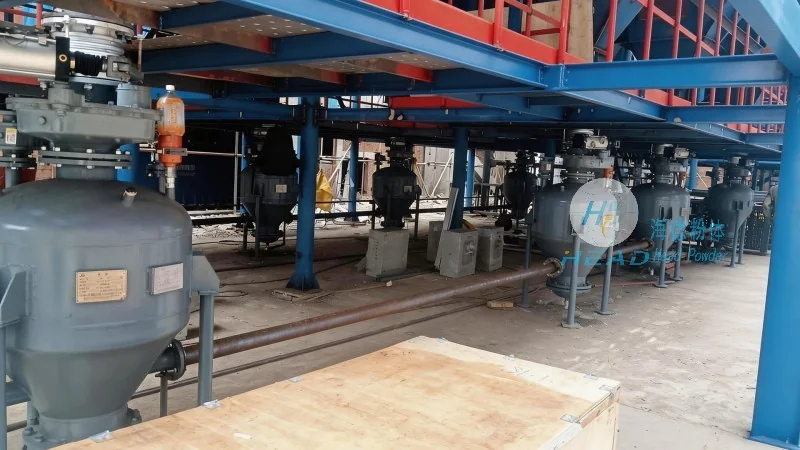
Key Components and Their Function in the System
Several critical components work in tandem to ensure the efficient operation of a calcium phosphate powder pneumatic conveying line. The primary components include a feed hopper, a rotary airlock valve, a blower or compressor, a pipeline network, and a discharge hopper or collection system. The feed hopper serves as the storage and feeding unit, where the calcium phosphate powder is loaded and then metered into the system via the rotary airlock valve. This valve prevents backflow and ensures a controlled flow rate, which is crucial for maintaining system stability. The blower or compressor generates the necessary air pressure to create the conveying air stream. The pipeline network, typically made of materials resistant to the chemical properties of calcium phosphate (such as stainless steel or specialized coatings), transports the powder and air mixture. Bends and other fittings are designed to minimize pressure loss and maintain the air flow velocity required to keep the powder suspended. Finally, the discharge hopper collects the material at the end of the line, often equipped with a dust collection system to control airborne particles and ensure environmental compliance.
Working Scene Characteristics: Applications and Benefits
The pneumatic conveying line for calcium phosphate powder is particularly well-suited for a range of industrial applications, including pharmaceutical manufacturing, food processing, and chemical production. In pharmaceutical settings, the system ensures that calcium phosphate powders are transported without contamination or degradation, which is critical for maintaining product efficacy and safety standards. The enclosed system prevents exposure to dust and airborne contaminants, aligning with stringent regulatory requirements. In food processing, the ability to handle fine powders while maintaining hygiene is essential, and the pneumatic system provides a clean, efficient method for moving ingredients like calcium phosphate supplements or additives. For chemical production, the system's ability to handle abrasive or corrosive powders, when properly designed, offers durability and reliability. The key benefits of this system include improved material handling efficiency, reduced labor costs, and enhanced product quality. By eliminating the need for manual handling or mechanical conveyors that can cause segregation or agglomeration, the pneumatic line ensures consistent material flow and reduces the risk of product loss or contamination. Additionally, the enclosed nature of the system minimizes environmental impact by controlling dust emissions, making it a sustainable choice for modern industrial operations.
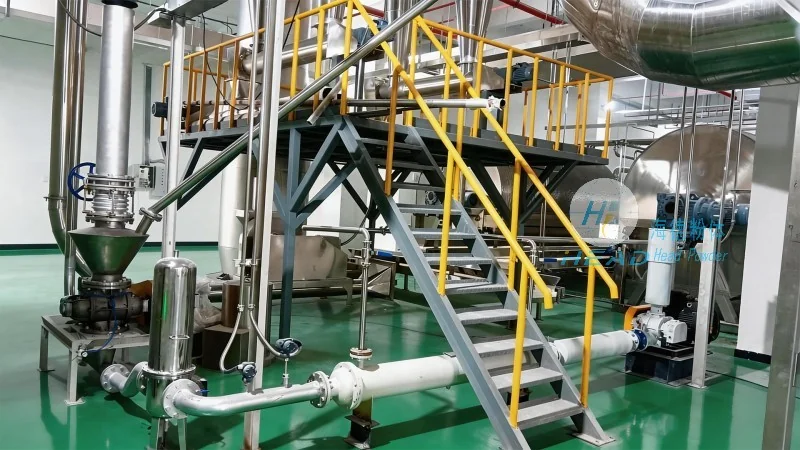
Operational Considerations and Maintenance
Effective operation of a calcium phosphate powder pneumatic conveying line requires careful consideration of several factors. First, the air flow rate must be optimized to ensure that the powder particles remain suspended throughout the pipeline. This involves calculating the appropriate velocity based on the powder's particle size, density, and the pipeline diameter. Proper sizing of the blower or compressor is essential to maintain the required pressure and flow, as insufficient air flow can lead to material buildup or blockages. Regular maintenance is also critical to ensure system longevity and performance. This includes inspecting and cleaning the feed hopper and rotary airlock valve to prevent clogging, checking the pipeline for leaks or damage, and maintaining the dust collection system to prevent filter clogging. Additionally, monitoring the system's pressure and flow rates during operation helps identify any issues early, allowing for timely adjustments or repairs. By adhering to these operational considerations, users can maximize the efficiency and reliability of their calcium phosphate powder pneumatic conveying line, ensuring consistent performance and minimal downtime.




